A New Chapter for the Federal Reserve: Warsh's Bold Approach to Monetary Policy
Warsh's Era: A Bold Shift in Central Bank Strategy
The Dawn of a New Leadership Style at the Federal Reserve
Kevin Warsh, the newly appointed Federal Reserve chairman, recently led his inaugural press conference with a refreshing and unconventional style. Unlike his more reserved predecessors, Warsh displayed a charismatic, almost political, persona. He light-heartedly acknowledged his plan to establish five task forces aimed at implementing significant changes within the central bank, and expertly navigated reporters' questions, skillfully avoiding premature forward guidance. This initial public appearance underscored a clear deviation from the Fed's past communication norms.
Challenging Established Norms: The Scrutiny of the Dot Plot
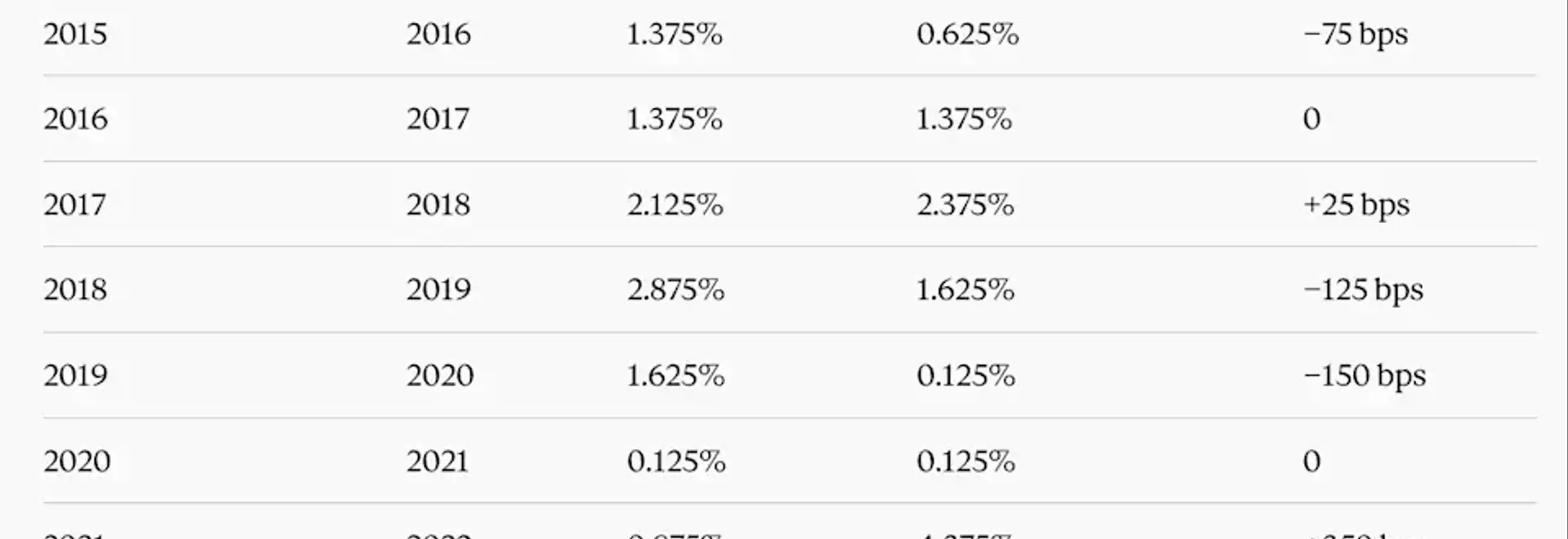
A notable target for Warsh's reforms is the highly scrutinized Summary of Economic Projections (SEP), commonly known as the 'dot plot.' This tool, used by the Federal Open Market Committee (FOMC) to forecast future interest rates, has frequently been criticized for its accuracy. Analysis reveals that the committee's predictions often struggle to align with actual year-end rates, particularly during periods of economic instability or unforeseen external shocks like the COVID-19 pandemic. The projections tend to reflect current conditions rather than anticipating future shifts, leading to market misinterpretations despite former Chair Jerome Powell's warnings. Warsh himself has opted out of submitting forecasts for the SEP, suggesting its eventual overhaul or even elimination, marking a potential return to the less-is-more communication style reminiscent of the Alan Greenspan era.
Reforming the Fed: Task Forces and a Vision for the Future
Warsh's reform agenda extends beyond communication, encompassing critical areas such as the Fed's balance sheet, data sources, productivity and employment, and the inflation framework. These initiatives are geared towards enhancing the institution's effectiveness and adaptability in a dynamic economic landscape. While reform is a constant need for any organization, especially one as pivotal as the Federal Reserve, the confidence and almost jocular tone with which Warsh discusses these changes bear close observation. His assertion that "inflation is a choice" highlights a strong commitment to price stability, with the Fed's 2% inflation target firmly in sight. The upcoming FOMC meeting in late July will be crucial in determining whether this new stance translates into immediate policy adjustments, such as a rate hike, or if the committee will await the findings of the newly formed task forces.
Navigating Market Dynamics and Economic Resilience
In the interim, financial markets, particularly fixed income and equities, are likely to experience heightened volatility as they adjust to the Fed's evolving approach. Fortunately, the current economic climate offers a degree of resilience. Corporate earnings remain robust, the artificial intelligence (AI) capital expenditure cycle continues to fuel economic expansion, and the labor market, despite emerging concerns about AI's impact, remains relatively strong. While consumer inflation presents challenges for many households, it has yet to significantly dampen spending. This favorable backdrop provides Warsh with a window of opportunity to implement his experimental policies. However, any significant shifts in these economic indicators could rapidly diminish this grace period, putting his new strategies to the ultimate test.
