Navigating Modern Motherhood: Building Connections in a Changing Family Landscape
In an era where the traditional family structure is undergoing a profound transformation, many women are embarking on the journey of motherhood at later stages in life, and an increasing number are choosing to do so independently. This shift has led to new dynamics in parenting communities, where non-traditional families may initially find it challenging to integrate. However, by embracing authenticity, establishing clear personal boundaries, and actively seeking out connections, mothers can successfully cultivate a supportive and enriching social circle.
The demographic landscape of families in the United States is rapidly changing. A significant trend is the rise in women becoming mothers after the age of 35, a notable departure from previous generations. For instance, recent data indicates that women in their early forties are now having more children than teenage mothers, marking a historical first. This phenomenon is partly attributed to advancements in reproductive technologies, such as IVF, which have also contributed to a surge in single mothers by choice, particularly among women in their forties.
This cultural evolution, as noted by psychotherapists like Akilah Terry, MA, LPC, suggests that older mothers often bring a wealth of life experience and a more defined sense of self to their parenting roles. They tend to be highly intentional in their approach to raising children, focusing on hands-on engagement, diverse activities, and fostering emotional intelligence. This heightened awareness, while beneficial, can also introduce anxiety about 'doing things right,' highlighting the unique psychological landscape of modern motherhood.
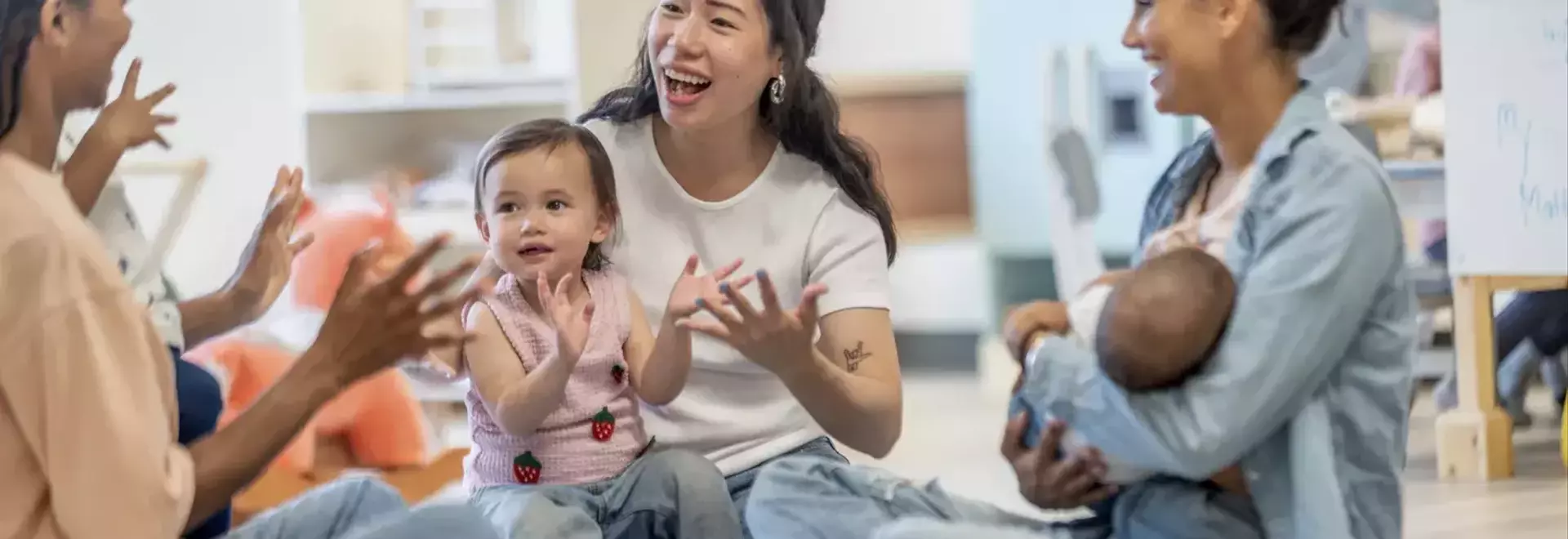
While these changes signify progress, they also present challenges. Diverse family structures can sometimes struggle to find their place within established parenting networks, especially in school environments where many parents already know each other through traditional family ties. This can lead to feelings of isolation. Terry highlights the importance of releasing any shame associated with not adhering to a conventional timeline for motherhood, encouraging women to acknowledge their desired path and build self-compassion.
Overcoming initial awkwardness and actively participating in school events, meetings, and activities can gradually build familiarity and comfort within the school community. This consistent presence demonstrates investment and interest, fostering an environment where friendships can naturally develop. As one elementary school principal observed, regular parental involvement often lays the groundwork for lasting friendships and social circles.
A crucial step in this process involves setting personal boundaries and trusting one's intuition. It's important for mothers to recognize social environments where they don't feel genuinely comfortable or accepted and to adjust their involvement accordingly. Pivoting away from groups that create unease and seeking out spaces where one feels seen and understood is vital for well-being and for forming authentic connections. This self-awareness contributes to building confidence and finding a true sense of belonging.
Ultimately, making strong connections as an older mother requires embracing authenticity. Parenting is a significant aspect of identity, but not the entirety of it. By presenting oneself as a complete individual with a rich life history, rather than solely as a mother trying to fit in, one can attract genuine friendships. Modern schools are increasingly adaptable to diverse family dynamics, creating more opportunities for acceptance. Approaching social interactions with intention, humor, and a willingness to help others can transform the experience, making active participation in a child's school community a fulfilling new chapter rather than a daunting challenge.
