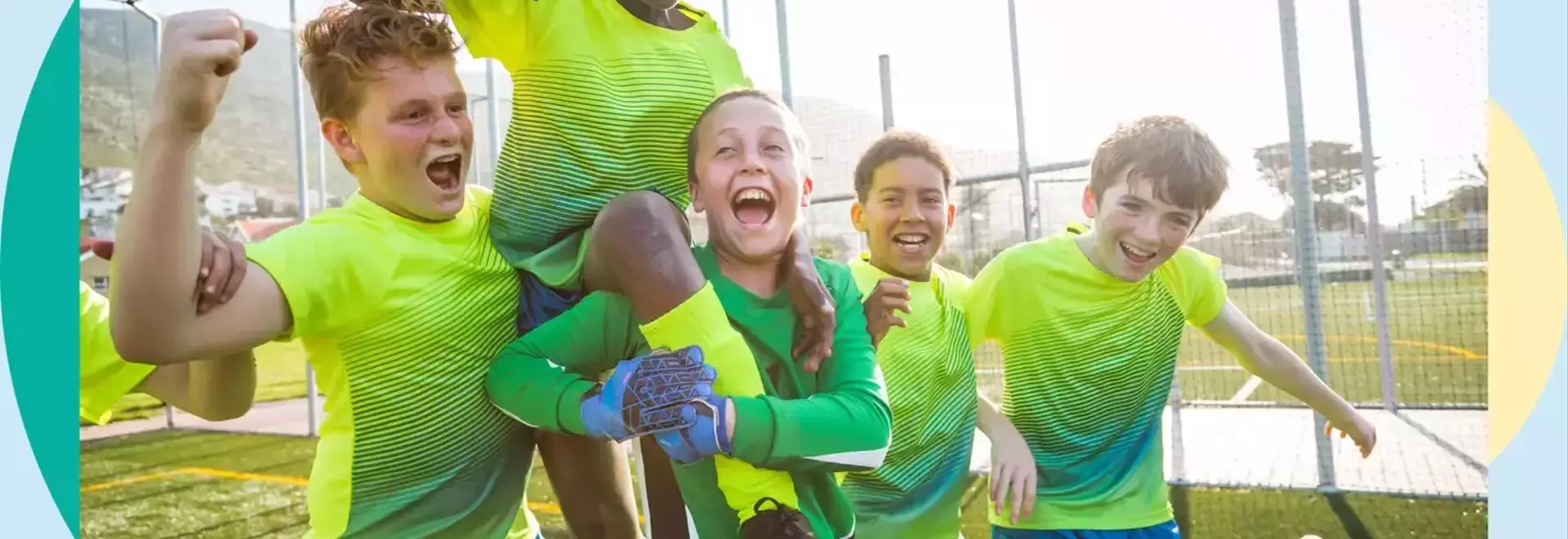
Navigating Children's Extracurricular Activities: Finding the Right Balance
In contemporary society, parents often grapple with the optimal allocation of their children's time between structured extracurriculars and free, imaginative play. This discussion highlights the consensus among child development specialists: both forms of activity are indispensable for nurturing well-rounded individuals. Organized sports offer invaluable lessons in cooperation, resilience, and discipline, while spontaneous play ignites creativity and encourages self-regulation. The emphasis, therefore, lies not in choosing one over the other, but in achieving a harmonious blend that caters to each child's unique developmental stage and personality.
The Dynamic Balance: When and How to Introduce Organized Activities
In the vibrant landscape of childhood development, the transition from spontaneous backyard games to structured team sports is a significant milestone for many young individuals. Historically, children's athletic pursuits largely consisted of impromptu neighborhood gatherings. However, a notable cultural shift has led to an increased emphasis on formal teams, specialized training camps, and even competitive travel tournaments. This evolution has prompted many parents, particularly those from the millennial and Gen Z generations, to consider how to effectively integrate structured sports into their children's lives while still preserving the invaluable aspects of free, undirected play.
According to esteemed medical and parenting professionals, the optimal moment for a child to embark on their journey in organized sports is largely contingent on their individual developmental readiness. Dr. Tokunbo Akande, a distinguished integrative pediatrician and the visionary founder of Harmony 360 Health, suggests that many children are well-suited for the intricacies of team sports around the ages of six or seven. At this stage, children typically exhibit enhanced coordination and a foundational grasp of basic rules, making them more receptive to structured environments. As they mature to ages eight or nine, many young athletes are prepared to engage in more competitive and strategically demanding play.
However, Dr. Akande stresses that there is no universal mandate for participation. The decision should be a thoughtful consideration of the child's genuine interest, the logistical feasibility for the family, financial capacity, and the child's overall health. Anita Cleare, a respected parenting expert and author of The Working Parent’s Survival Guide, notes that the commencement of formal schooling, around kindergarten age, often aligns with a child's improving social skills and attention span, making it an opportune time to explore organized activities. In contrast, for younger, preschool-aged children, unstructured play or less formal activities are generally more beneficial for developing fundamental motor skills and fostering a love for physical activity without the pressures of competition.
The collective wisdom of these experts converges on a singular principle: every child thrives on a balanced diet of play. This encompasses a variety of endeavors, from team sports and artistic pursuits to ample time for self-directed exploration and restorative downtime. Should a child’s schedule become overwhelmingly dominated by structured activities, parents are encouraged to reassess. It is imperative to observe whether the child is genuinely flourishing, cultivating friendships, honing skills, and applying these abilities beyond the specific activity itself, or merely going through the motions. Dr. Janine Domingues, a clinical psychologist at the esteemed Child Mind Institute, emphasizes that there isn't a magical number of extracurriculars. Instead, she advocates for parents and caregivers to carefully consider if these activities genuinely enrich a child's enjoyment and exploration, acknowledging that for some, a single activity suffices, while others flourish with a busier schedule.
Parents are advised to maintain a vigilant watch over their child’s emotional state. While children may not always verbally express their discomfort, certain indicators can signal stress or overwhelm. These include a reluctance to leave home for activities, disengagement during participation, frequent signs of stress or fatigue, recurrent illnesses, noticeable mood shifts, declining academic performance, or an inability to occupy themselves without structured plans. When these signs manifest frequently, it signals a need to re-evaluate the child’s commitments and potentially reduce their schedule.
Open dialogue with children is paramount. By fostering an environment where children feel safe to voice their feelings without fear of judgment, parents can uncover the root causes of their child's struggles. This might reveal issues such as an overly competitive atmosphere, a harsh coach, or a skill level mismatch that leads to feelings of defeat. Such conversations empower parents to make informed decisions that prioritize their child's well-being and happiness, ensuring that extracurricular activities remain a source of joy and growth rather than stress.
Ultimately, a robust balance between organized sports and free play lays the groundwork for emotionally intelligent and resilient adults. While organized activities impart critical social and emotional skills—such as navigating wins and losses, teamwork, and perseverance—free play is crucial for developing creativity, independence, and emotional regulation. Parents should regularly assess their family schedule to ensure this vital balance is maintained, fostering an environment where children can truly thrive both on and off the field.
