Musicians' Outcry: White House Use of Songs Without Approval
A growing number of notable recording artists have recently voiced strong objections to the White House's practice of incorporating their musical works into social media content without explicit authorization. This trend underscores a broader conversation surrounding intellectual property rights and the unauthorized association of artists with political campaigns or entities.
Artists Confront White House Over Unauthorized Music Use
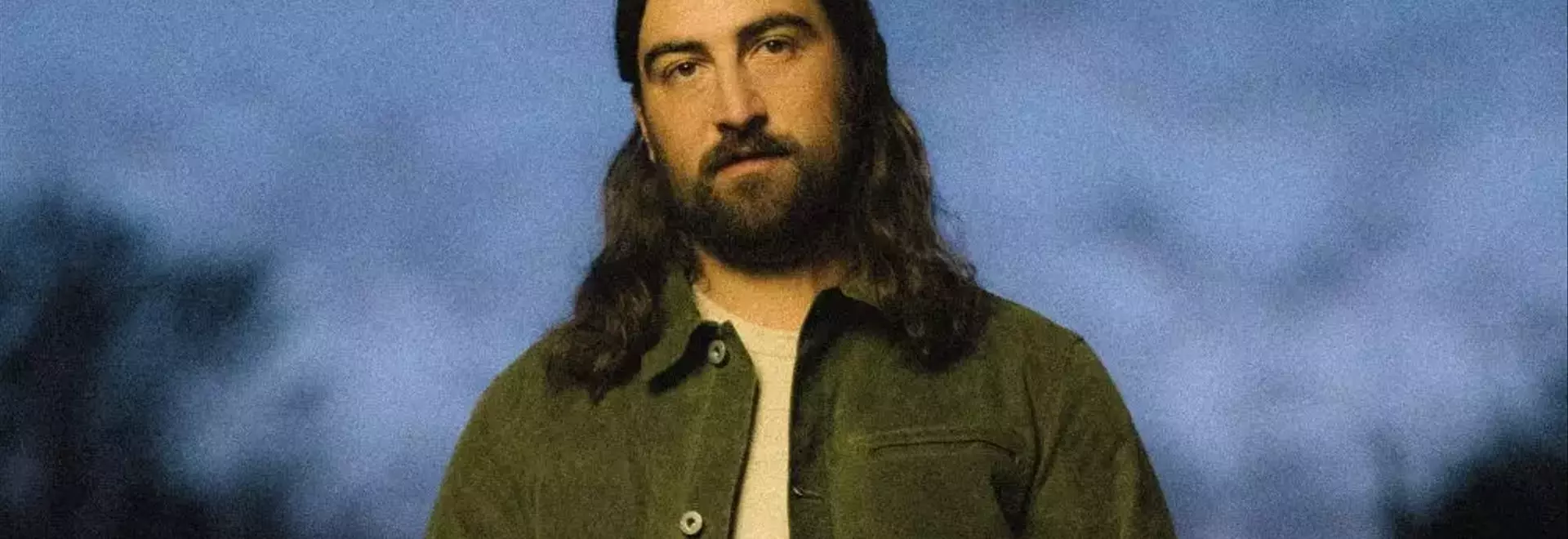
On July 28, 2026, musician Noah Kahan publicly expressed his dismay after discovering his song "American Cars" was featured in an Instagram post by the White House. The post, which appeared on Monday, showcased images of former President Donald Trump during a visit to General Motors' test facility in Michigan. Following numerous alerts from his followers, Kahan issued a strong rebuttal on Tuesday afternoon, stating unequivocally that he would "never approve of [his] music being used in support of [the White House] or this administration."
The contentious track, "American Cars," was reportedly utilized across both the White House's Instagram and TikTok accounts. While the audio on the Instagram post was subsequently disabled, it remained active on TikTok. Noah Levine, Kahan's co-writer for the song, also conveyed his outrage through a more direct comment on Instagram.
This incident is not isolated. Kahan joins a lengthening roster of artists who have similarly challenged the White House over the unauthorized use of their music in political contexts. Just the previous weekend, pop icon Katy Perry vociferously criticized the administration after her 2010 anthem "Firework" was used as background music for a TikTok video depicting military strikes. Perry articulated her deep anger and disapproval on X (formerly Twitter), emphasizing that she neither approved nor was consulted regarding the song's use. Similarly, in June, Ariana Grande shared her discontent when a version of her 2024 track "Bye" was featured in a TikTok post showing ICE agents making arrests. Other prominent artists, including Sabrina Carpenter, Olivia Rodrigo, Celine Dion, Neil Young, and the Rolling Stones, have also previously voiced objections to the use of their music by former President Trump's campaign.
The repeated unauthorized use of artists' intellectual property by political entities, particularly the White House, highlights a contentious intersection of creative rights and political messaging. These incidents serve as a stark reminder of the importance of respecting artistic consent and the potential for public figures' work to be misinterpreted or misused in politically charged environments. This ongoing issue calls for clearer guidelines and heightened awareness regarding the proper protocols for utilizing copyrighted material in public communications, especially when such usage can imply endorsement or support.
