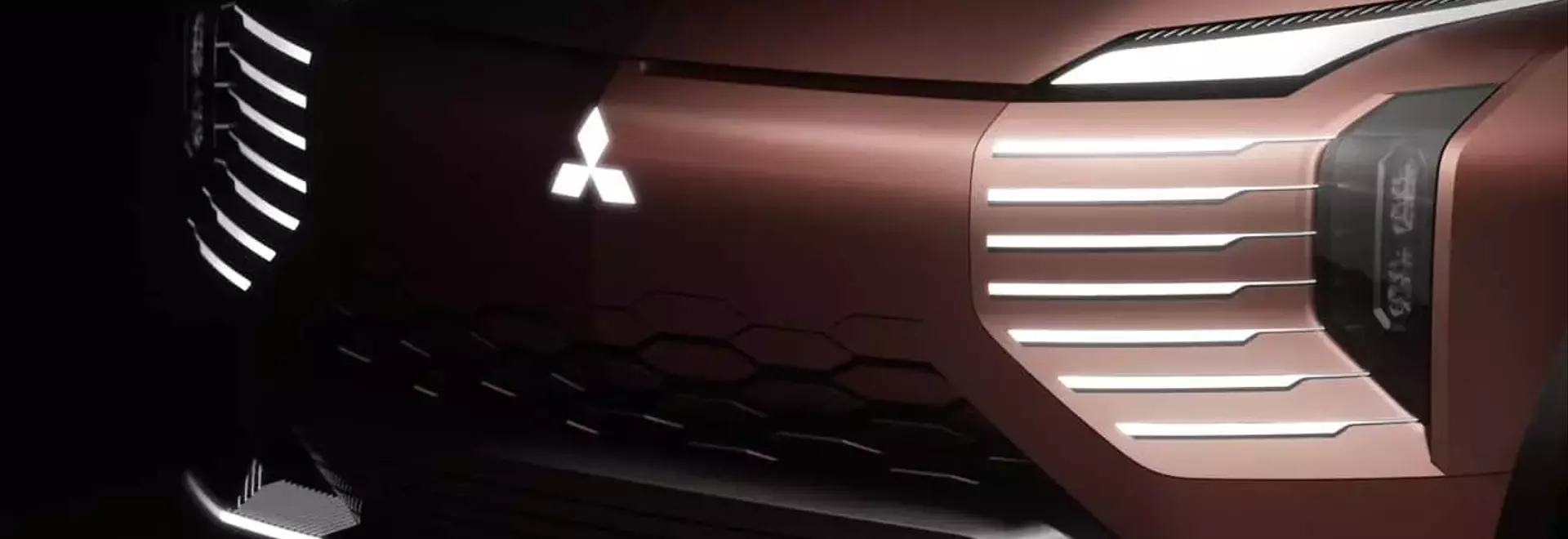
Mitsubishi's Strategic Shift: Embracing Collaboration for EV Development
Mitsubishi is adopting a pragmatic approach to electric vehicle (EV) development, choosing collaboration over substantial independent investment. The company's CEO, Takao Kato, revealed that a massive financial outlay for developing bespoke EVs from scratch is not feasible for Mitsubishi. This strategic direction is influenced by a global slowdown in EV market growth and the desire to mitigate financial risks. Consequently, Mitsubishi will continue to launch 'rebadged' EVs, like the Eclipse Sportback, which leverages existing platforms from partners such as Nissan. This move allows Mitsubishi to remain competitive in the EV segment without incurring prohibitive costs, demonstrating a lean strategy for navigating the evolving automotive landscape.
Mitsubishi's Approach to EV Development Amidst Market Challenges
Mitsubishi is charting a cautious course in the electric vehicle sector, acknowledging the significant financial hurdles associated with developing new models from the ground up. The company's CEO, Takao Kato, articulated this strategy during a recent shareholder meeting, emphasizing that the global slowdown in EV market expansion necessitates a more prudent investment approach. Rather than undertaking the 'massive investment' required for proprietary EV platforms, Mitsubishi is opting for collaborative partnerships. This decision stems from a desire to circumvent the substantial losses that could arise from lower-than-anticipated sales of independently developed EVs, which could pose a 'major management problem' for the company. The Eclipse Sportback, essentially a rebadged Nissan Leaf, serves as a prime example of this collaborative model, enabling Mitsubishi to introduce new EV offerings without incurring the full burden of research and development costs.
The strategy of collaboration and rebadging is not new to Mitsubishi, which has previously introduced EVs like the Eclipse Cross based on the Renault Scenic E-Tech. This approach allows the automaker to offer diverse EV options in various markets, despite its financial constraints. While such models may not be groundbreaking in terms of innovative engineering, they represent a cost-effective way for Mitsubishi to maintain its presence and compete within the rapidly transforming automotive industry. This measured strategy contrasts with the more aggressive electrification plans of some larger competitors, such as Honda, which recently faced significant restructuring costs after abandoning its ambitious 0 Series EV program. Mitsubishi's deliberate choice underscores a commitment to sustainable growth by prioritizing financial stability and leveraging external partnerships to adapt to market demands.
The Broader Industry Trend of Collaborative EV Strategies
Mitsubishi's decision to pursue collaborative EV development reflects a growing trend among automakers, particularly those with more limited financial resources, to share costs and technological expertise. The automotive industry's pivot towards electrification demands enormous investments in research, development, and manufacturing infrastructure. For companies like Mitsubishi, which are not among the global giants, forming alliances becomes a strategic imperative to stay competitive. This allows them to access established EV platforms, battery technologies, and manufacturing capabilities, thereby accelerating their time to market while minimizing financial exposure. The CEO's remarks underscore a pragmatic acceptance of current market realities, where the rapid pace of EV innovation combined with fluctuating consumer demand makes independent, large-scale investment a high-risk proposition for some players.
Furthermore, Mitsubishi is extending its collaborative efforts to include contract manufacturing, as evidenced by its partnership with Foxconn for an upcoming EV model. This outsourcing strategy further alleviates the financial and operational burdens associated with in-house production, enabling Mitsubishi to focus on market penetration and brand presence. Although this Foxconn-built EV is primarily targeted at Asian markets, it highlights the adaptability of Mitsubishi's strategy to different regional demands and supply chain dynamics. This lean and flexible approach, though perhaps less glamorous than developing unique, cutting-edge EVs, positions Mitsubishi to adapt to the unpredictable nature of the emerging EV market. By prioritizing financial prudence and strategic alliances, Mitsubishi aims to secure its future in an increasingly electrified and competitive global automotive landscape.
