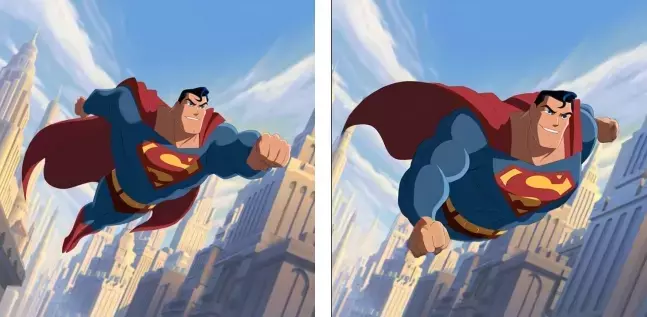
Midjourney Challenges Studios Over AI Use in Copyright Lawsuit
In a significant legal battle that highlights the evolving intersection of artificial intelligence and intellectual property, the AI image generation platform Midjourney is intensifying its efforts to uncover the extent of AI utilization within prominent Hollywood studios. This strategic maneuver is part of Midjourney's defense against a high-stakes copyright infringement lawsuit initiated by industry giants Disney, Universal, and Warner Bros. The core of Midjourney's argument hinges on the principle of 'fair use,' contending that if the studios themselves are engaged in AI practices akin to those they are litigating against, it fundamentally impacts the merits of their claims.
Midjourney Demands Transparency from Hollywood's AI Practices Amidst Copyright Dispute
Los Angeles, California – On July 2, 2026, Midjourney, a leading AI image laboratory, escalated its legal defense by filing a motion urging Judge John Kronstadt to overturn an earlier decision that limited its access to discovery regarding the AI applications of major film studios. The legal action stems from a copyright infringement lawsuit filed last year by Disney, Universal, and Warner Bros., which accused Midjourney of facilitating widespread unauthorized use of their copyrighted characters. In response, Midjourney is now seeking to compel these studios to divulge comprehensive information about their internal AI strategies and tools.
Previously, in June, Magistrate Judge Joel Richlin restricted Midjourney's discovery requests, allowing the studios to disclose information only concerning "consumer-facing" AI applications. However, Midjourney's legal counsel, Bobby Ghajar, argues that this limitation is too narrow. In the recent motion, Ghajar asserted that if the plaintiffs are engaging in the very activities for which they seek to penalize Midjourney, such evidence is critical to Midjourney's 'fair use' and 'unclean hands' defenses. The AI company is particularly interested in obtaining the studios' AI business plans, research reports, training datasets, model weights, and any board meeting presentations related to AI, which would illustrate how they develop and market their cinematic and television productions using AI technology. The studios, conversely, have agreed only to provide details on their public-facing AI tools, maintaining a veil over their internal AI development.
Magistrate Judge Richlin's June 15 ruling found that broad information about the studios' AI use was irrelevant to the central question of whether Midjourney had infringed on their copyrights. Yet, Midjourney's motion contends that if studios are developing AI models trained on unlicensed, copyrighted material for internal uses such as storyboarding or content ideation, it would establish a precedent for such practices within the industry itself. David Singer, the lead attorney for the studios, has previously characterized Midjourney's extensive discovery requests as a "fishing expedition" designed to divert attention from its own alleged infringements. Singer emphasized that the studios' objective is not to impede AI development or Midjourney's business operations, but rather to prevent the unauthorized copying, distribution, display, performance, and creation of derivative works using their intellectual property – a right any copyright holder would assert against infringers, irrespective of AI involvement.
This ongoing legal battle highlights the complex challenges that arise as artificial intelligence rapidly integrates into creative industries, pushing legal frameworks to adapt to new forms of content creation and potential infringement. The outcome of this dispute could significantly influence future policies and precedents regarding AI and copyright in the entertainment sector.
This case serves as a crucial examination of how copyright law will adapt to the rapid advancements in AI technology. It compels us to consider the fine line between technological innovation and intellectual property rights. As AI continues to evolve and play a larger role in creative fields, establishing clear guidelines for its ethical use, data sourcing, and potential impact on artists and creators becomes paramount. This dispute underscores the need for a balanced approach that fosters innovation while rigorously protecting the rights of content creators and copyright holders, potentially leading to new legislative and industry standards.
