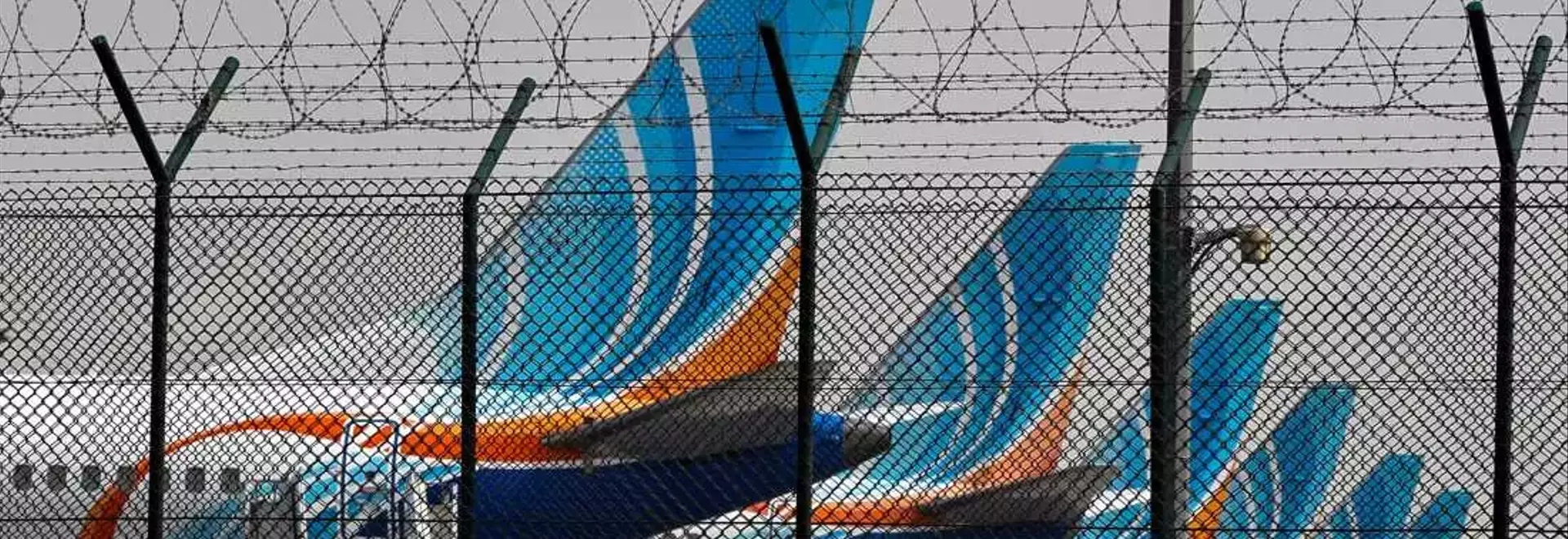
Middle East Air Travel Chaos: Thousands Stranded as Flights Resume Amidst Regional Conflict
News

Middle East Air Travel Chaos: Thousands Stranded as Flights Resume Amidst Regional Conflict

authorBy Christianne Amanpour
DateMar 02, 2026
Read Time2 min

Amidst escalating tensions and military actions in the Middle East, a significant portion of air travel has been thrown into disarray, leaving an immense number of individuals unexpectedly marooned in various transportation hubs. Despite the tentative recommencement of certain flight operations, the aftermath of recent hostilities targeting Iran by both the U.S. and Israel has profoundly impacted the region's aviation network, creating a complex and challenging situation for international transit.

Since the initiation of military engagements, the region has witnessed widespread cancellations of flights, forcing airlines to navigate an unpredictable environment. Many major carriers, including those based in critical Middle Eastern cities such as Dubai and Abu Dhabi, have been compelled to either drastically reduce or suspend their services, citing safety concerns as paramount. This disruption has had a ripple effect, entangling both tourists and business professionals in unforeseen travel delays and uncertainty.

Travelers like Kristy Ellmer from Portsmouth, N.H., exemplify the predicament. Originally in Dubai for business, her return journey has been repeatedly thwarted by cancellations, leaving her to grapple with the unpredictable nature of flight schedules. Her experience underscores the wider frustration and logistical nightmares faced by countless others who are now in a holding pattern, awaiting clarity on when normal flight operations might fully resume. Major hubs, including Dubai, Abu Dhabi, and Doha, which typically serve as crucial transit points connecting continents, have reported being targets of these regional hostilities, further complicating efforts to stabilize air travel.

While airlines such as Emirates have begun to cautiously reintroduce a limited number of services, prioritizing passengers with existing bookings, the overall outlook remains precarious. Data from flight-tracking platforms reveal a staggering number of cancellations, highlighting the scale of the ongoing crisis. The operational status of airports fluctuates, with some attempting partial resumptions amidst lingering safety concerns. This volatile situation has not only impacted passenger movement but also raised significant questions about the long-term stability of air travel within the region.

The current state of affairs mandates a careful assessment of risks and a coordinated effort among airlines, aviation authorities, and governments to restore confidence and normalcy to air travel in the Middle East. The sheer volume of stranded passengers—estimated to be hundreds of thousands daily across the region's main carriers—demands comprehensive solutions to mitigate the impact on global connectivity and individual travel plans. The continued instability underscores the urgent need for diplomatic resolutions to the regional conflicts that underpin this travel chaos.

More Articles
News
Geopolitical Tensions Drive Global Oil Prices Upward and Stock Markets Downward
Recent escalations in the conflict involving Iran have sent shockwaves through global financial markets, with oil prices experiencing a significant surge and major stock indices recording declines. The disruption of tanker traffic in the Strait of Hormuz, a critical maritime route, has raised concerns about energy supply stability and potential inflationary pressures, prompting analysts to warn of further price hikes if the situation persists or intensifies.
By Mona ChalabiMar 02, 2026
News
Texas Primaries to Gauge Shifting Latino Political Allegiances Amidst Economic Concerns and Immigration Debates
The ongoing Texas primary elections are poised to reveal whether the Republican Party can retain its burgeoning support among Latino voters, a demographic that played a pivotal role in the 2024 elections. Experts suggest that while economic issues and immigration previously drove Latino alignment with the GOP, current economic pressures and evolving sentiments around immigration enforcement could lead to a significant shift in their political loyalties, potentially favoring Democrats.
By Carl BernsteinMar 02, 2026
News
Indian Teacher's Fulbright Journey: Challenging Societal Norms and Empowering Girls
An Indian English teacher's excitement over a U.S. Fulbright scholarship is quickly overshadowed by societal expectations regarding her children and husband. This narrative explores her dedication to educating first-generation learners in rural West Bengal and her efforts to empower girls through language, confronting patriarchal attitudes both in India and, subtly, in the West, while developing an innovative teaching toolkit.
By Mona ChalabiMar 01, 2026
News
North Carolina Democrats' Congressional Primary: A Battle for the Party's Future
The North Carolina Democratic congressional primary highlights a significant ideological divide within the party. Incumbent Valerie Foushee faces Nida Allam, a progressive challenger backed by figures like Bernie Sanders. The race in the fourth congressional district, a Democratic stronghold, has become a proxy battle for the party's direction on issues such as immigration and foreign policy, attracting considerable outside spending and reflecting a national trend of progressive challenges to established Democratic leadership.
By Lester HoltFeb 28, 2026
News
Ensuring Your Child's Car Seat is Correctly Installed
Many car seats are not used as intended by manufacturers, with seat belts, harnesses, and tethers being the most common culprits. This guide highlights the significance of correct car seat installation for child safety, offering practical advice to parents on avoiding common errors. Adhering to these guidelines can significantly mitigate risks during road incidents.
By Isabel AllendeFeb 28, 2026