Memory Manufacturers React to Persistent RAM Price Hikes
The memory market is currently navigating a period of significantly elevated prices, a situation some are calling the 'RAMpocalypse.' Industry experts anticipate these high costs will persist for several years, potentially never returning to previous levels. In response, memory manufacturers appear to be taking one of two paths: either maintaining a quiet stance or aggressively pushing ultra-high-performance, specialized memory kits.
This divergence in strategy raises questions about how the industry will address the needs of average consumers and gamers, who are increasingly affected by rising component costs. While some companies focus on showcasing cutting-edge, top-tier products, there seems to be a missed opportunity to alleviate market pressure by offering more accessible and budget-friendly options.
The Enduring Challenge of Memory Costs
A major PC hardware producer has indicated that the elevated pricing in the memory sector is not a temporary fluctuation but a long-term trend, likely to affect the market for the foreseeable future. This assessment confirms a growing concern among consumers and system builders: the affordability of essential components like RAM is diminishing. The implications of this sustained price increase are far-reaching, impacting everything from budget-friendly gaming builds to high-performance workstations.
The current market landscape sees memory manufacturers responding in starkly different ways. While a significant portion of the industry has chosen to remain silent regarding the escalating costs, other prominent companies are channeling their efforts into developing and promoting specialized, ultra-fast memory kits. These high-end products, while technologically impressive, cater to a very specific and often small segment of the market, potentially leaving the majority of consumers in search of more practical and economical solutions.
Industry Responses and Future Outlook
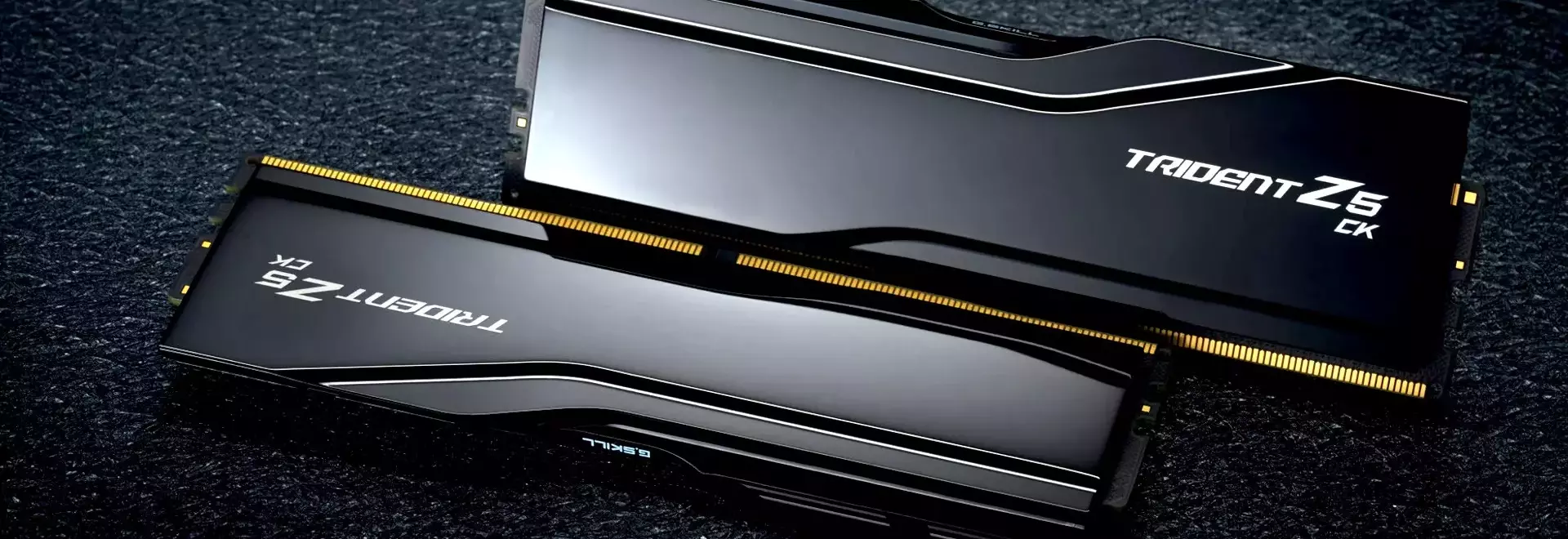
As memory prices continue their upward trajectory, a notable trend has emerged: some manufacturers are prioritizing the development and release of extremely high-speed, high-latency memory modules. Companies such as G.Skill, Geil, and Team Group have recently unveiled kits with speeds reaching DDR5-9200 and DDR5-8000. These products, often designed for specific, high-performance Intel platforms like LGA 1851 with advanced processors, target enthusiast users and specialized applications such as content creation and AI workloads. However, for typical gaming scenarios, the performance gains from such ultra-fast memory compared to more moderately clocked modules are often negligible, especially outside of highly CPU- or GPU-bound situations at lower resolutions.
This focus on niche, top-tier products, while showcasing technological prowess, inadvertently bypasses the pressing need for more affordable memory options across the broader market. Industry observers suggest that if the current market conditions persist, memory manufacturers may eventually be compelled to shift their strategies towards producing slower, more cost-effective solutions. Failure to do so could risk alienating a significant portion of their customer base and potentially jeopardize the long-term viability of some brands within the PC hardware sector.
