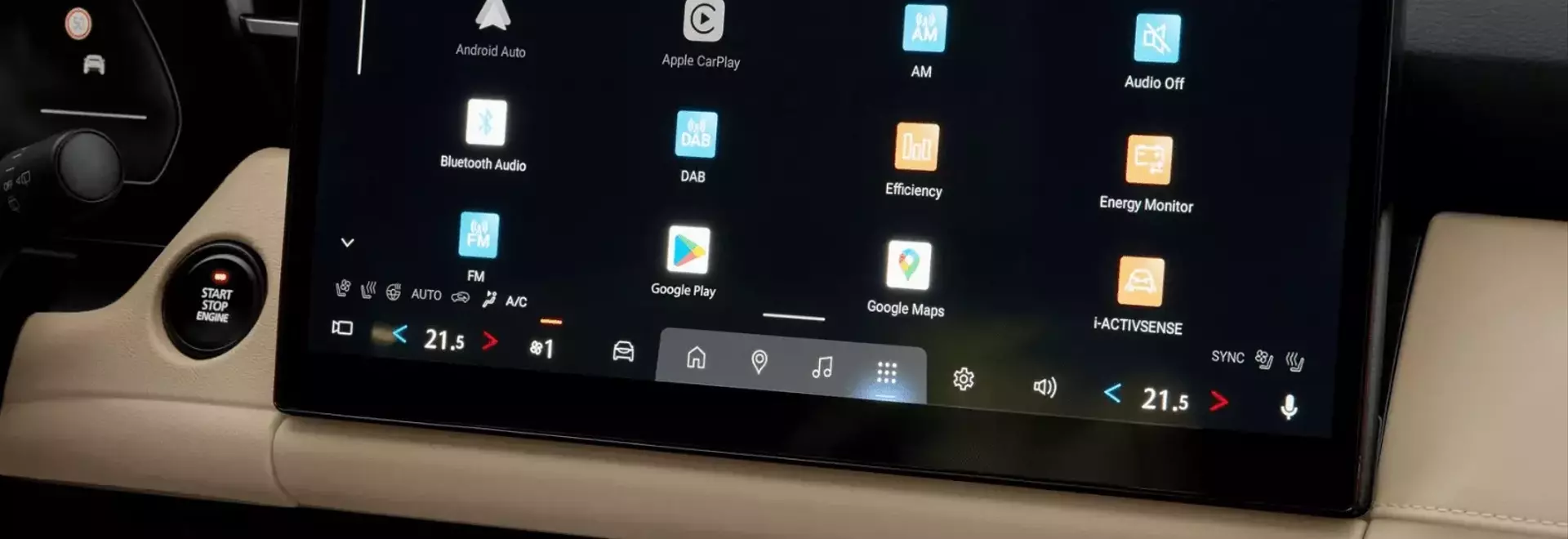
Mazda CX-5 Embraces Touchscreen Technology for Enhanced Safety and User Experience
Cars

Mazda CX-5 Embraces Touchscreen Technology for Enhanced Safety and User Experience

authorBy Henry Ford
DateFeb 16, 2026
Read Time3 min

In a significant evolution for its best-selling CX-5 model, Mazda has replaced its long-standing rotary commander knob with an expansive touchscreen interface for the 2026 iteration. This strategic move, while aligning with contemporary automotive trends, is championed by the automaker as a step towards greater driving safety and an improved user experience. The company emphasizes that a suite of integrated safeguards, including steering wheel controls and advanced voice recognition, has been meticulously designed to mitigate potential driver distraction, ensuring that technological advancement goes hand-in-hand with Mazda's foundational commitment to driver-centric principles.

Mazda's Strategic Shift: The 2026 CX-5's Digital Transformation

In February 2026, Mazda unveiled its redesigned CX-5, introducing a large touchscreen infotainment system to replace the previously signature rotary knob. This shift, according to Matthew Valbuena, Mazda's project manager for in-vehicle technologies and human-machine interfaces, is a calculated effort to minimize driver distraction. Valbuena explained that while climate controls are now integrated into the touchscreen, the system features multiple safety measures. These include steering wheel controls for various functions, critical information mirrored in the instrument cluster, and an enhanced voice-recognition system, all designed to keep drivers' eyes on the road. The decision also accommodates the demands of modern smartphone integration like Android Auto and Apple CarPlay, offering a more versatile user experience, akin to upgrading from an iPod Classic to an iPod Touch. The CX-5, a historically strong performer for Mazda, recently surpassed five million units in production, a milestone previously achieved only by the 323 and Mazda3. Competing with popular models like the Toyota RAV4 in the U.S. market, the 2026 CX-5 starts at $29,990, with a larger 15.6-inch display available in the Premium Plus trim starting at $38,990. Despite facing tariff pressures, Mazda assures that any cost-saving adjustments made to the new model will not compromise the customer experience, signaling a responsive approach to market feedback while maintaining brand integrity.

This bold embrace of touchscreen technology by Mazda, a manufacturer known for its driver-focused philosophy, marks a pivotal moment in automotive design. It highlights the delicate balance automakers must strike between adopting popular tech features and upholding safety standards. The integration of advanced voice commands and redundant physical controls demonstrates a thoughtful approach to minimizing potential hazards associated with touch interfaces. As the automotive industry continues its digital evolution, Mazda's decision with the CX-5 sets an interesting precedent, suggesting that even traditional brands can innovate successfully without sacrificing their core values, provided the implementation is carefully considered and prioritizes the driver's well-being above all else.

More Articles
Cars
Toyota Sequoia and Tundra: Lifesavers at Arizona Proving Grounds
At Toyota's Arizona Proving Ground, an elite emergency response unit relies on a custom Toyota Sequoia and Tundra pickups to navigate the expansive, challenging terrain. These specialized vehicles, equipped with critical medical and firefighting gear, ensure rapid response to incidents, from high-speed test track accidents to brush fires and encounters with desert wildlife, safeguarding personnel and operations.
By Simona De SilvestroFeb 16, 2026
Cars
Volkswagen Group Plans Aggressive Cost Reductions, Plant Closures Possible
The Volkswagen Group is reportedly aiming for a substantial 20% cost reduction across all its brands by late 2028, potentially including factory shutdowns. This move comes despite previous cost-saving efforts, driven by declining sales in China, US tariffs, and heightened global competition. Further details are anticipated during the company's upcoming annual results presentation, as the automaker also prepares to introduce more affordable electric vehicles to boost future sales.
By Michele AcquaragiaFeb 16, 2026
Cars
Lawsuit Targets Hyundai Over Palisade Airbag Recall Handling
Hyundai's popular three-row SUV, the Palisade, is facing a new class-action lawsuit. The legal action alleges that Hyundai inadequately addressed a significant recall concerning third-row side curtain airbags in models from 2020-2025, claiming the company continued sales without a proper fix or sufficient risk disclosure to consumers. This development raises questions about the manufacturer's post-recall practices and potential impact on brand perception.
By Dan NeilFeb 16, 2026
Cars
Ferrari 296 Challenge Stradale: A Race Car for the Road
Ferrari is rumored to be developing a hardcore, road-legal version of its 296 Challenge, possibly named the 296 Challenge Stradale. Spy photos reveal a heavily camouflaged prototype with race-inspired features like a massive rear wing, suggesting a focus on extreme performance and weight reduction, potentially ditching hybrid components for a pure V6 engine. This exclusive model is expected to be highly sought after by collectors.
By Brock YatesFeb 16, 2026
Cars
Ferrari Rewards Employees with Record Bonuses Amidst Soaring Profits and Future Model Expansion
Ferrari is celebrating a highly successful financial year, characterized by a significant surge in revenue and operational profits. Despite a slight dip in vehicle deliveries, the luxury automaker's strategic focus on high-margin models has led to exceptional earnings. In recognition of this performance, Ferrari is distributing substantial bonuses to its Italian workforce, amounting to nearly $18,000 per employee. The company also projects a robust future, with strong pre-orders for upcoming models, including an anticipated electric vehicle, and plans to introduce 20 new cars by 2030, maintaining a diverse powertrain strategy.
By Brock YatesFeb 16, 2026