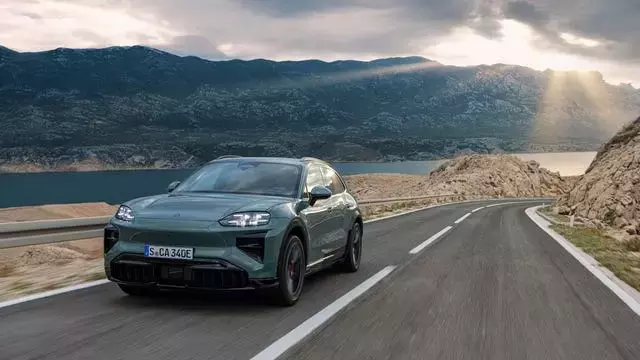
Maximizing EV Range: Essential Driving Techniques
Optimizing the range of an electric vehicle (EV) is crucial for a seamless driving experience, especially in scenarios where charging options are limited or energy conservation is desired. This guide outlines various expert techniques to enhance an EV's efficiency, from adjusting driving habits to fine-tuning vehicle settings. By adopting these strategies, drivers can significantly extend their vehicle's range, minimize range anxiety, and contribute to a more sustainable driving practice.
Understanding and applying these methods not only saves energy but also promotes a smoother and more economical operation of electric cars. Whether facing an unexpected low battery situation or simply aiming for peak efficiency, these tips provide practical solutions to maximize every kilowatt-hour and ensure a confident journey.
Driving Habits and Energy Efficiency
The way an electric vehicle is driven profoundly impacts its energy consumption and overall range. Smooth and measured acceleration, as opposed to aggressive starts, plays a critical role in conserving battery power. Additionally, strategic use of regenerative braking, particularly in urban environments, allows the vehicle to recapture energy that would otherwise be lost during deceleration, converting kinetic energy back into usable electricity for the battery. These driving practices are fundamental to extending the distance an EV can travel on a single charge.
Maintaining a gentle foot on the accelerator is paramount for EV efficiency. Rapid acceleration demands a significant surge of power from the battery, depleting it much faster than a gradual increase in speed. Drivers should aim for a smooth, steady acceleration, avoiding abrupt movements that force the vehicle's electric motors to work overtime. Similarly, mastering regenerative braking, especially in stop-and-go traffic, is key. By progressively lifting off the accelerator, drivers can allow the EV to slow down while simultaneously recharging the battery, reducing reliance on conventional friction brakes and significantly enhancing energy recovery. Some advanced EVs even offer 'one-pedal' driving, where modulating the accelerator pedal alone controls both acceleration and most deceleration, maximizing regenerative braking potential.
Vehicle Optimization and Environmental Factors
Beyond driving style, several vehicle-specific settings and external conditions can influence an EV's range. Proper tire inflation is a simple yet effective measure to reduce rolling resistance, directly impacting energy use. Preconditioning the cabin and battery before departure, while the vehicle is still plugged into a charger, leverages grid power instead of the car's battery for temperature management. Furthermore, thoughtful climate control usage and leveraging features like 'Eco Mode' can significantly cut down on energy drain, helping drivers achieve longer distances between charges.
Ensuring tires are correctly inflated according to the manufacturer's specifications is a straightforward way to boost efficiency, as underinflated tires create more friction with the road. Preconditioning, or remotely heating/cooling the cabin and bringing the battery to an optimal operating temperature while connected to a power source, prevents the battery from expending its stored energy on these functions during the drive. When it comes to climate control, using seat and steering wheel heaters instead of the main cabin heater in cold weather, or moderating air conditioning use in warm weather, can save substantial energy. Engaging the vehicle's 'Eco Mode' also typically adjusts various vehicle parameters, such as throttle response and climate system intensity, to prioritize energy conservation, often resulting in a noticeable increase in projected range.
