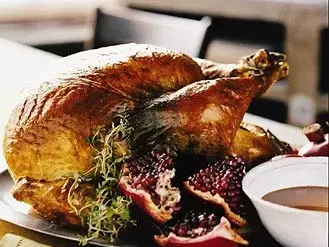
Mastering the Thanksgiving Turkey: A Comprehensive Guide to Perfect Roasting
Unlock the Secret to a Perfectly Roasted Turkey: Your Ultimate Thanksgiving Companion
Unraveling the Mystery: How Long Does a Turkey Need to Cook at 350°F?
The most straightforward method for roasting a whole, unstuffed turkey involves setting your oven to 350°F and placing the bird breast-side up. This technique is particularly suitable for those new to turkey preparation, as it demands minimal oversight while consistently yielding excellent results. As a general guideline, allocate approximately 13 minutes of cooking time per pound of turkey, though it's crucial to remember that these timings are estimates and can vary.
The Definitive Guide: Knowing When Your Thanksgiving Turkey Has Reached Perfection
A beautifully browned turkey doesn't automatically signify it's fully cooked. The most accurate way to confirm doneness is by using an instant-read thermometer. Insert the thermometer into the thickest part of the breast and the innermost section of the thigh, being careful to avoid touching any bone. The USDA advises that turkey should reach an internal temperature of 165°F in all three tested areas. For dark meat, some experts suggest aiming for a slightly higher temperature, between 175°F and 190°F, to allow connective tissues to break down more thoroughly. It's also vital to account for carryover cooking, where the turkey's internal temperature continues to rise after it's removed from the oven due to residual heat. The Bon Appétit Test Kitchen recommends taking the turkey out when the breast reaches 150°F, then monitoring it during resting to ensure it hits the target 165°F.
The Art of Patience: Why Resting Your Turkey is Crucial for Juiciness
Before you begin carving, allowing your turkey to rest is a non-negotiable step. For a whole bird, a resting period of 30 to 60 minutes is ideal. This duration permits the internal juices to redistribute evenly throughout the meat, ensuring each slice remains moist and flavorful. Place the turkey on a cutting board equipped with a trough or a large platter to collect any released juices, which can be saved for making gravy. There's no need to tent the turkey with aluminum foil; the bird's natural insulation will keep it warm for a surprisingly long time, and covering it can trap steam, potentially making the crispy skin go limp.
Laying the Groundwork: Essential Preparations Before Heating Your Oven
Regardless of whether you plan to roast your turkey whole, spatchcocked, or in individual pieces, several preliminary steps are vital. While these actions may not directly reduce cooking time, they are instrumental in achieving that coveted combination of succulent interior and delightfully crispy exterior.
The Accelerated Approach: A More Advanced Method for Roasting a Whole Turkey
This innovative technique, inspired by Andy Baraghani's renowned dry-brined roast turkey recipe, aims to achieve two primary goals: a perfectly crackly, browned skin and exceptionally tender, moist meat. The secret lies in utilizing two distinct oven temperatures. Begin by roasting the turkey at a relatively high temperature, between 425°F and 450°F, for 30 to 45 minutes to encourage browning. Subsequently, reduce the oven temperature to 300°F to 350°F for an additional 65 to 85 minutes, closely following internal temperature guidelines. An optional touch involves brushing the bird with a tangy honey glaze to create a glossy, bronzed finish. This two-temperature method can significantly reduce cooking time, allowing a 12- to 16-pound turkey to be ready in approximately two hours. However, it requires more vigilant monitoring to prevent the skin from over-darkening.
Precision Roasting: The Benefits of Cooking Turkey in Separate Parts
Roasting a turkey in individual pieces offers another effective strategy to combat uneven cooking. By arranging the parts separately, each section receives optimal exposure to the oven's heat, granting you greater control over the doneness of both the breast and dark meat. Even individual turkey pieces benefit immensely from a dry brine, so the preparatory advice mentioned earlier remains applicable. You can either butcher the raw turkey yourself, provided you have the necessary confidence and a sharp knife, or request your butcher to prepare five specific pieces: two legs, two wings, and one whole turkey breast with the backbone removed. Save the backbone for making a rich turkey stock. This method typically involves roasting dry-brined pieces at 425°F for 20 to 25 minutes, followed by 300°F for another 50 to 70 minutes. Cooking in parts allows for individual monitoring, enabling you to remove the breast when it reaches the ideal temperature while giving the legs more time if needed. While this approach might sacrifice some of the dramatic presentation of a whole roasted bird, the resulting chorus of satisfied "mmms" from your guests will undoubtedly make up for it.
