Mastering French Cuisine: Essential Pantry, Fridge, and Freezer Staples
French cuisine, often perceived as an intimidating culinary domain, can be demystified and made accessible through strategic stocking of key ingredients. This comprehensive guide outlines the foundational components for your pantry, refrigerator, and freezer, empowering home cooks to effortlessly prepare a diverse array of authentic French dishes. By focusing on essential staples, the journey into French cooking becomes less daunting and more enjoyable, allowing for the creation of gourmet meals with ease and confidence.
Equipping your kitchen with these fundamental items—ranging from savory condiments and versatile herbs to rich dairy products and convenient frozen options—transforms the preparation of classic French recipes into a manageable and rewarding experience. This approach not only simplifies the cooking process but also encourages culinary exploration, enabling you to bring the sophisticated flavors of France directly to your dining table.
Pantry Essentials for French Cooking
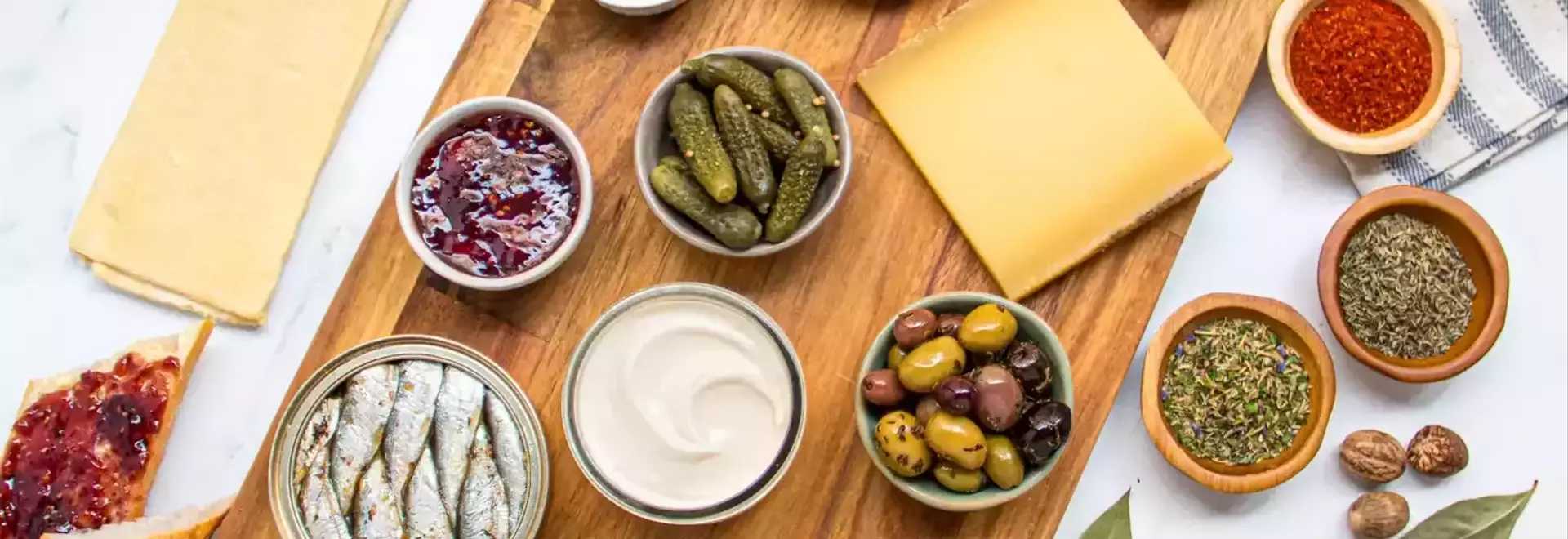
The foundation of French cooking begins with a well-stocked pantry. Essential items like Dijon mustard, a cornerstone of French flavor, are indispensable for dressings, marinades, and classic sauces. Authentic Dijon, made from specific mustard seeds, offers a pungent tang that elevates dishes. Alongside mustard, various vinegars—especially red wine vinegar—are crucial for vinaigrettes and balancing rich sauces with acidity. Dried herbs and spices, such as thyme, nutmeg, bay leaves, piment d'espelette, and Herbes de Provence, provide the aromatic depth characteristic of French dishes, enhancing everything from roasts to stews. Additionally, having quality stock or demi-glace, whether homemade or convenient powdered versions, is vital for building complex flavors in soups and sauces. Dark chocolate, beyond being a delightful snack, is a key ingredient in many French desserts and even some savory beef dishes, adding a unique depth. Lastly, preserved ingredients like jams, olives, cornichons, and duck confit offer versatility for appetizers, sides, and main courses, reflecting France's rich tradition of food preservation. Tinned fish, including anchovies, sardines, and jarred tuna, are also invaluable for quick meals and salads, while good quality wine and spirits are essential for deglazing, marinating, and enhancing the overall flavor profile of numerous French culinary creations.
A well-curated French pantry should always include a robust Dijon mustard, preferably an authentic variety like Edmond Fallot, which imparts a sharp, tangy flavor to vinaigrettes and creamy sauces. Complementing this is a selection of quality vinegars; red wine vinegar is a versatile choice for salads, while sherry vinegar offers a milder, nuanced alternative for various preparations. The aromatic core of French cuisine is built upon dried herbs and spices such as fragrant thyme, warming nutmeg for béchamel and stews, and bay leaves crucial for bouquet garnis in hearty dishes. Piment d'espelette adds a subtle, smoky heat, and Herbes de Provence offers a fragrant blend for marinades. For rich and flavorful bases, convenient stocks and demi-glace are essential. Furthermore, dark chocolate, ideally with a high cacao content, is not only for decadent desserts like mousse au chocolat but also a surprising secret ingredient in certain savory beef stews. The French art of preservation is reflected in staples like jams for breakfast, olives for aperitifs or tapenades, and cornichons to accompany savory meals. Canned seafood, including anchovies and sardines, offers quick protein options, while wines and spirits like dark rum, Cognac, or Armagnac are integral for deglazing, marinating, and elevating the flavors of many classic dishes.
Refrigerator and Freezer Staples for Effortless French Meals
Beyond the pantry, the refrigerator and freezer hold equally vital components for crafting French meals. Salted butter, particularly varieties from Normandy or Brittany, is a fundamental ingredient, used generously for sautéing, baking, and enriching dishes, adding a distinctive richness and flavor. Crème fraîche, with its mild tang, serves as a creamy base for quiches, a thickener for soups, and a delightful accompaniment to fresh fruits. Yogurts, typically full-fat, are a versatile staple for breakfast, dessert, or as a convenient measuring tool for impromptu baking, offering a creamier and tangier profile than many American counterparts. An array of cheeses is also essential; while Brie and Camembert are perfect for post-meal cheese courses, Emmental, Gruyère, or Comté are indispensable for melting into gratins, sandwiches, and sauces like Mornay. Finally, fatty bacon cubes, known as lardons, are a savory condiment used to add depth and flavor to salads, tarts, and stews, showcasing their versatility beyond a breakfast item.
For the chilled section, high-quality salted butter from regions like Normandy or Brittany is non-negotiable; its rich flavor and texture are central to French cooking, used in everything from pastries to pan-searing. Crème fraîche, a milder alternative to sour cream, is invaluable for its creamy consistency in quiches and soups, or simply dolloped over desserts. French households frequently keep full-fat yogurt on hand, which is enjoyed on its own or used in simple baking recipes, providing a creamy texture and distinctive tang. Cheese is another cornerstone, with soft varieties like Brie for snacking and hard cheeses like Emmental or Gruyère essential for cooking applications such as gratins, croque monsieurs, and savory sauces. In the freezer, ready-to-use frozen puff pastry is a time-saving marvel for creating tarts, pies, and appetizers, offering a blank canvas for both sweet and savory creations. Additionally, frozen vegetables like artichokes, fava beans, and mixed vegetable blends are convenient for quick additions to meals, ensuring nutrient-rich ingredients are always at hand for dishes like macedoine salads, without the extensive prep time of fresh produce.
