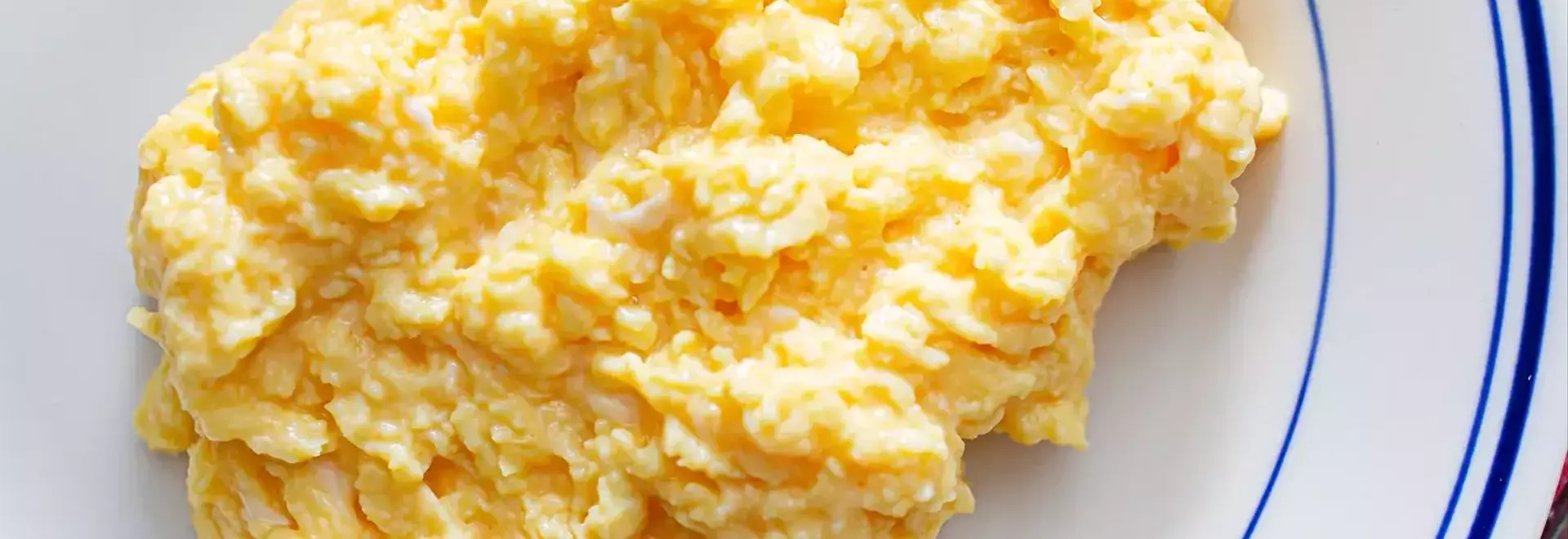
Mastering the Art of Fluffy Scrambled Eggs at Home
Unlock the Secrets to Perfectly Scrambled Eggs!
Achieving Culinary Perfection: The Journey to Restaurant-Quality Scrambled Eggs
I've always cherished scrambled eggs that boast a creamy, delicate texture with fine, soft curds. While many esteemed dining establishments effortlessly produce such dishes, achieving this consistent perfection in my own kitchen proved challenging. My attempts often resulted in overcooked, rubbery eggs, a stark contrast to the custardy dream I pursued.
The Quest for Exquisite Eggs: Unraveling the Culinary Mystery
Many home cooks share my struggle. A user on Reddit once expressed frustration, noting that even with various techniques—low heat, constant stirring, and additions like butter, milk, cream, and cheese—their scrambled eggs never quite matched the restaurant experience. Yet, my favorite eateries consistently deliver: their scrambled eggs are a harmonious blend of richness, creaminess, and ethereal lightness, shimmering like golden clouds on the plate.
Elevating Your Egg Craft: Essential Steps for Culinary Excellence
Determined to elevate my egg-cooking prowess, I delved into cookbooks and culinary resources, seeking out the most effective methods. With the following expert tips and dedicated practice, you too can prepare scrambled eggs that meet restaurant standards, right in the comfort of your own home.
The Foundation of Fluffiness: Mastering the Whisk
Thorough whisking is paramount for creating fluffy eggs that cook uniformly and develop a consistent golden hue, free from any unmixed white streaks. Since egg yolks and whites coagulate at different temperatures, inadequate whisking can lead to unevenly cooked eggs. Some culinary professionals even strain their whisked eggs through a fine-mesh sieve to ensure an impeccably smooth consistency before cooking.
The Role of Early Seasoning: Enhancing Tenderness Through Pre-Salting
Adding salt to your eggs before cooking is crucial. This technique helps prevent egg proteins from binding too tightly, which can expel moisture and result in tough eggs. As culinary expert Daniel explains, tighter protein bonds lead to more water expulsion and a firmer texture.
The Creamy Infusion: Enriching Eggs with Dairy
Incorporating a touch of heavy cream or milk imparts a luscious, silky texture to scrambled eggs. These dairy additions gently dilute the egg proteins and slightly elevate their coagulation temperature, minimizing the risk of overcooking and yielding exceptionally soft, moist curds. Daniel's experiments confirmed that while dairy enhances texture and flavor, the cooking method remains the most critical factor. For those who enjoy the rich flavor of restaurant-style eggs, experimenting with dairy is highly recommended.
The Golden Touch: Embracing Butter for Richness
For the ultimate in creamy, rich eggs, a generous amount of butter is indispensable. Use butter during the cooking process and add a small knob just before serving to impart an extra layer of velvety richness.
The Art of Gentle Cooking: Slow and Steady Wins the Race
Using a flexible spatula to gently break apart the curds prevents them from drying out and becoming too large, ensuring lighter, fluffier scrambled eggs. Cooking your eggs over low heat allows for even, gradual cooking, significantly reducing the chance of overcooking. Bid farewell to dry, rubbery eggs!
The Perfect Finish: Knowing When to Remove from Heat
Egg proteins cook rapidly, and tender curds can firm up in a matter of seconds. To achieve creamy, soft, and silky eggs, rather than a hard scramble, remove them from the heat just before they appear fully cooked. The residual heat from the pan will continue the cooking process, bringing them to perfect doneness.
