Marjorie Taylor Greene's Political Journey: From Trump's Key Ally to Unexpected Resignation
Marjorie Taylor Greene's political trajectory has taken an unexpected turn, culminating in her decision to step down from her congressional seat. Initially a fervent supporter and key ally of former President Trump, known for her controversial rhetoric and staunch conservative views, Greene's relationship with Trump began to fray over differing opinions on critical issues. Her resignation marks a significant moment, raising questions about her future and the evolving landscape of the Republican party.
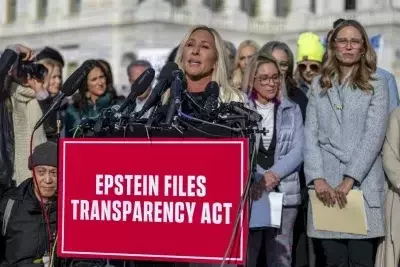
Her departure from Congress, effective before her term's completion, highlights a growing chasm between her and Trump, especially concerning her vocal advocacy for the public disclosure of documents related to the disgraced financier Jeffrey Epstein. This advocacy, a departure from the unified front typically seen among Trump's closest allies, sparked public friction and ultimately contributed to her decision to resign, citing a desire to avoid a divisive primary contest within her deeply conservative Georgia district.
The Shifting Dynamics of Greene's Political Stance
Marjorie Taylor Greene, a figure known for her unyielding support of conservative causes and her vocal alignment with former President Trump, has undergone a notable political transformation. Her journey from a steadfast ally to a figure increasingly at odds with Trump's directives, particularly regarding the transparency of the Epstein files, underscores a significant shift in her political strategy and allegiances. This evolution has not only reshaped her public image but also ignited debates within the Republican party about its future direction and the loyalty expected of its members.
Greene's advocacy for the release of documents pertinent to the Epstein case emerged as a critical point of divergence from Trump's camp. This move, rooted in a commitment to perceived justice for victims, brought her into direct conflict with the former president, who publicly criticized her actions. Her resolute stance, despite facing considerable political pressure, showcased a willingness to challenge established party lines and prioritize certain issues over unwavering loyalty to a single political figure. This period of political evolution has been marked by a reevaluation of her role and influence, leading to her unexpected resignation from Congress.
Greene's Departure and its Impact on the Republican Party
The announcement of Marjorie Taylor Greene's resignation from Congress signals a pivotal moment for her political career and potentially for the Republican party at large. Her decision, framed as a way to spare her constituents from a divisive primary battle and acknowledging potential midterm challenges for Republicans, reflects a complex interplay of personal conviction, political strategy, and evolving party dynamics. This move follows a period of escalating disagreements with former President Trump, particularly concerning her push for transparency on the Epstein documents, which he publicly condemned.
Greene's departure prompts a deeper examination of the Republican party's internal struggles and future trajectory in a post-Trump era. Her willingness to defy Trump on key issues, including foreign policy matters and domestic concerns like healthcare subsidies, suggests a broader debate within the party about its core principles and leadership. Political analysts view her resignation as both a personal recalibration and a symptom of wider fissures, hinting at a potential redefinition of conservative identity. The implications of her decision extend beyond her immediate district, raising questions about how the party will coalesce and define itself moving forward, especially as it navigates divergent viewpoints among its influential figures.
