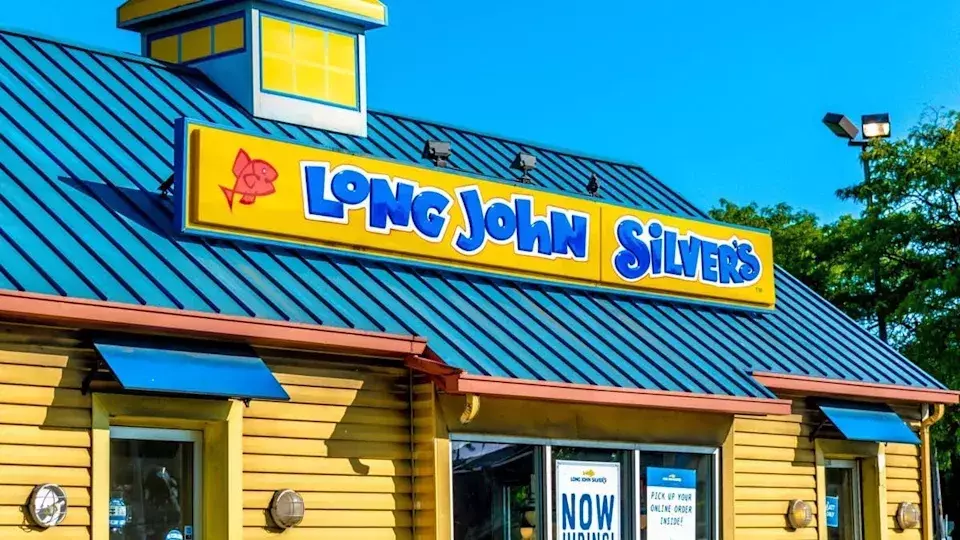
Long John Silver's Navigates Comeback with Strategic Closures and Revitalization Efforts
Long John Silver's, a historic fast-food seafood chain, has undergone a significant transformation, strategically reducing its number of locations by approximately 1,000 since 2015. This downsizing, from over 1,400 restaurants at its peak to fewer than 500 currently, is a deliberate effort to improve financial performance and position the company for renewed growth. While similar to other chains like Wendy's that prioritize profitability through closures, Long John Silver's journey also reflects unique challenges within the seafood quick-service restaurant (QSR) sector, such as volatile food costs and a dinner-centric customer base. Despite facing a Chapter 11 bankruptcy in 1998, the company is now reporting impressive comparable sales growth for 16 consecutive quarters, signaling a promising comeback driven by facility renovations, a shift to single-brand locations, and ambitious expansion plans both domestically and internationally.
Long John Silver's Strategic Restructuring and Resurgence
In a strategic move to optimize its operations, Long John Silver's has significantly scaled back its physical presence, shedding roughly 110 to 120 locations over the past three years alone. This brings its current count to 214 company-owned and approximately 262 franchised restaurants. Tony Ellis, Senior Vice President, emphasized that these closures, while substantial, are part of a broader strategy to strengthen the chain's overall health and pave the way for future expansion. The brand's Chief Marketing Officer, Laura Ellis, further clarified that not all closures were performance-related. Many were part of a comprehensive remodeling initiative to refresh older establishments and enhance the in-restaurant experience, aligning with a departure from older operational strategies. Notably, nearly 70 of these exited locations were co-branded units with other fast-food giants like Taco Bell, KFC, and A&W, reflecting a broader industry trend towards single-brand focus. This period of contraction follows a challenging past, including a 1998 Chapter 11 bankruptcy filing, which was a consequence of a leveraged buyout in 1989 that burdened the company with substantial debt. However, with Four Oaks Partners' acquisition in 2022, Long John Silver's is now on a path of revitalized growth. The brand has demonstrated resilience, achieving 16 consecutive quarters of comparable sales growth, with total sales increasing from $400 million in late 2022 to nearly $430 million by the end of 2025. The new ownership is eyeing international expansion, particularly in Southeast Asia, building on its long-standing presence in Singapore and recent entries into Thailand, Indonesia, and Malaysia. Domestically, the company is focused on increasing brand awareness and opening new locations, leveraging strong customer nostalgia and demand.
The journey of Long John Silver's provides a compelling case study in corporate resilience and strategic adaptation. In an increasingly competitive and cost-sensitive restaurant landscape, the decision to downsize and streamline operations, rather than expand indiscriminately, can be a potent catalyst for long-term health and profitability. This demonstrates that for legacy brands, a thoughtful reassessment of footprint, combined with investment in modernization and a clear market strategy, can lead to a powerful resurgence. The story underscores the importance of operational efficiency, the courage to make tough decisions about underperforming assets, and the foresight to pivot towards sustainable growth models, even when facing significant historical challenges.
