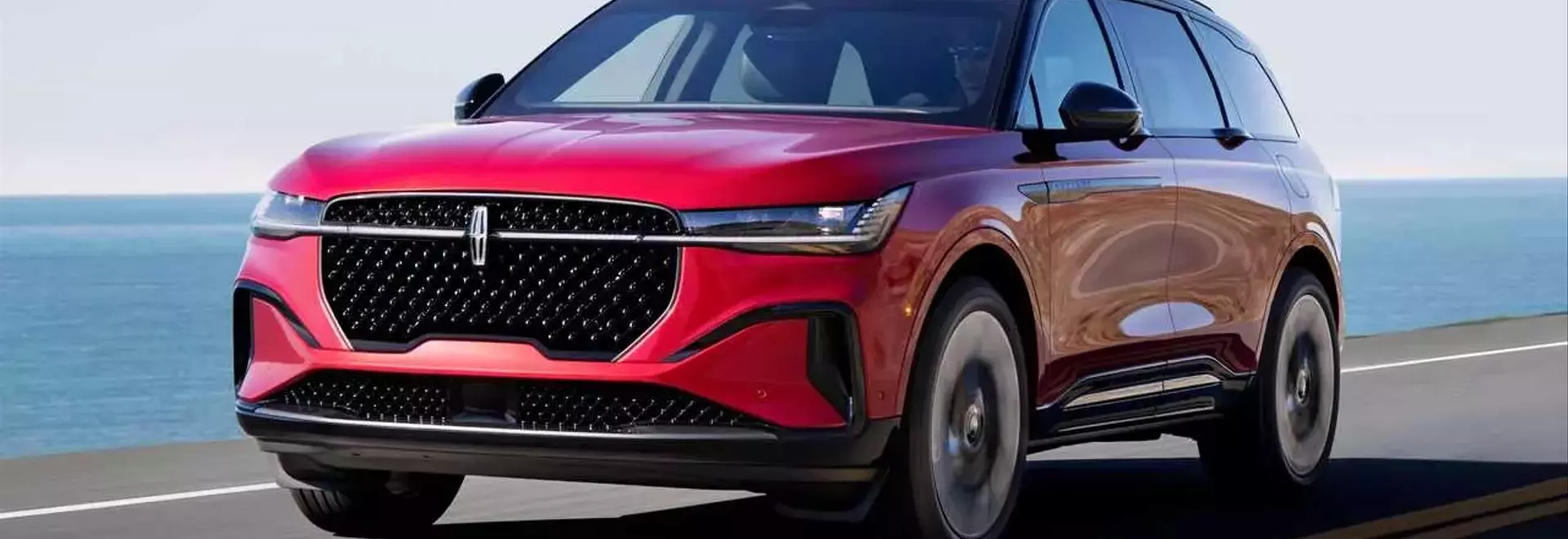
Lincoln's Potential Bronco-Based Off-Roader Explored
Luxury vehicle manufacturer Lincoln is reportedly exploring the creation of its own off-road SUV, drawing inspiration and foundational elements from the Ford Bronco. This ambitious endeavor aims to carve out a significant presence in the burgeoning luxury off-roader market, directly challenging segment leaders such as Land Rover and Mercedes-Benz. The proposed vehicle, built upon the sturdy body-on-frame architecture of the current Bronco, is expected to debut within the next three to four years, blending rugged capability with Lincoln's signature refinement and design philosophy.
Lincoln's New Off-Road Vision Takes Shape
In the fiercely competitive luxury SUV landscape, where off-road prowess is increasingly becoming a desired attribute, Lincoln is preparing to make a bold entrance. Reports indicate that the esteemed American luxury marque is actively considering the development of a bespoke off-road vehicle. This forthcoming SUV is envisioned to leverage the proven, robust body-on-frame platform of the Ford Bronco, a strategy that would enable Lincoln to offer a compelling alternative to premium rivals like the Range Rover, Lexus, and Mercedes-Benz G-Class.
While the new Lincoln off-roader will share its underpinnings with the Bronco, it is expected to feature distinctive styling cues that align with Lincoln's sophisticated design language. Elements from the brand's latest Navigator model are anticipated to inspire the exterior, ensuring a refined yet powerful aesthetic that sets it apart from its Ford counterpart. Although Ford is reportedly planning a next-generation Bronco for 2031, Lincoln's luxury variant would likely utilize the current Bronco platform, introduced in 2021, with significant adaptations to meet Lincoln's elevated standards for comfort and technology.
In terms of dimensions, the rumored Lincoln off-roader is projected to closely rival vehicles like the current Land Rover Defender. For context, the four-door Bronco measures approximately 189.4 inches in length, while the four-door Defender extends to about 197.5 inches. Lincoln's recently updated Nautilus, for comparison, is 193.2 inches long. Regarding its propulsion system, specifics remain under wraps. However, it is improbable that Lincoln would adopt the Bronco Raptor's high-output twin-turbocharged 3.0-liter V6. Instead, the more pragmatic choices of the standard Bronco's 2.3-liter four-cylinder engine or the 2.7-liter V6 are considered more likely candidates, tuned to deliver a balance of power and efficiency befitting a luxury vehicle. Enthusiasts and industry observers alike can anticipate this new luxury off-roader to make its official appearance sometime within the next three to four years.
The concept of a Bronco-based Lincoln off-roader, while perhaps initially reminiscent of past unconventional ventures, signifies a timely and strategic move for the brand. As the demand for luxury vehicles capable of navigating diverse terrains continues to grow, Lincoln's entry into this segment is a logical progression. The success of this endeavor will undoubtedly hinge on Lincoln's ability to seamlessly integrate its hallmark luxury and technological sophistication with the Bronco's inherent ruggedness, creating a truly distinctive and desirable offering for discerning consumers.
