Koenigsegg's Vision: The Enduring Role of Combustion in Hypercars Amidst EV Evolution
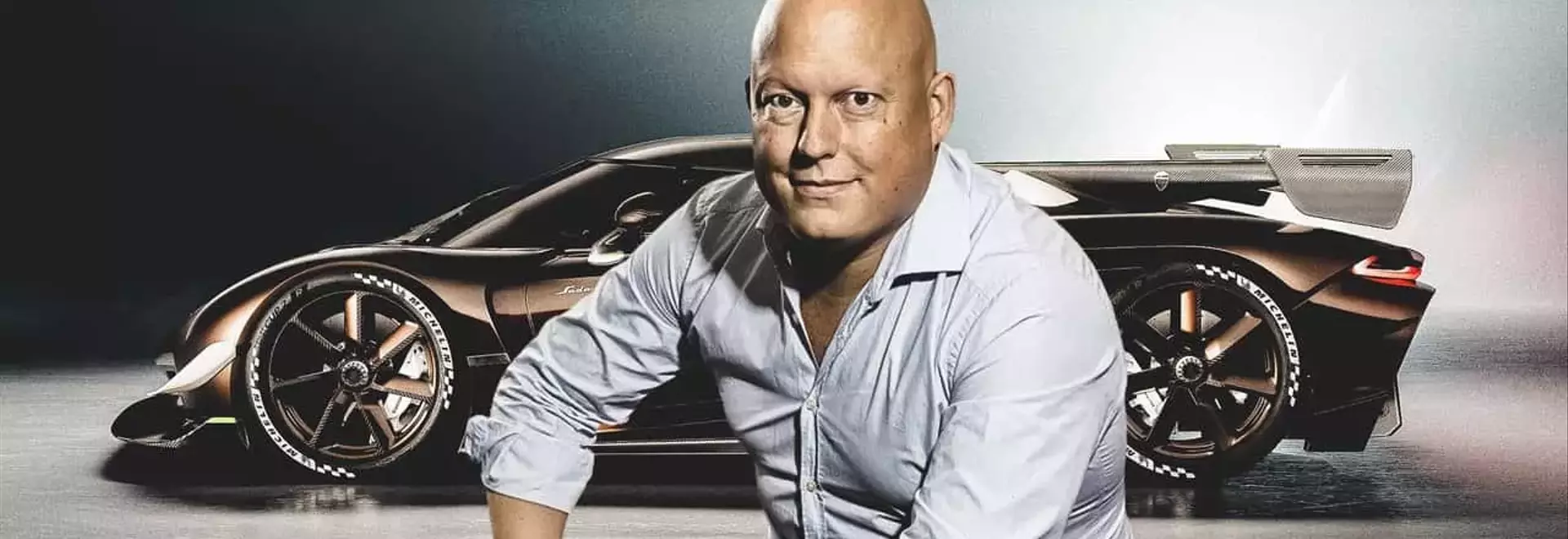
Christian von Koenigsegg, the visionary behind the eponymous hypercar brand, recently articulated his company's stance on the evolving automotive landscape, particularly concerning electric vehicles and the persistent significance of internal combustion engines. His insights reveal a nuanced strategy that prioritizes the distinctive driving experience intrinsic to hypercars, even as the industry shifts towards electrification. This perspective challenges conventional wisdom, suggesting that for a niche market like hypercars, the path to the future might not solely be electric.
During a recent visit to Koenigsegg's Swedish facility for the unveiling of their latest project, the Sadair's Spear Lego model, the founder addressed a pivotal question about the brand's approach to electric powertrains. While competitors like Ferrari are embracing electrification, and many in the industry view EVs as the inevitable zenith of high-performance automotive design, Koenigsegg's current models continue to feature internal combustion or hybrid systems. This strategic direction, he explains, is not due to a lack of technical capability, but rather a deliberate choice rooted in the brand's core philosophy.
Koenigsegg emphasized that his views on automotive propulsion have evolved significantly over the past decade. Previously, he anticipated that by 2026, the company would already have introduced a fully electric hypercar. However, this outlook shifted as he recognized the irreplaceable attributes of the internal combustion engine in the hypercar domain. He believes that elements such as vibration, acoustic feedback, mechanical responsiveness, and overall character collectively forge a driving experience that electric powertrains, regardless of their speed or technological sophistication, cannot replicate. For him, a combustion-powered vehicle possesses an almost organic quality, a 'living animal' feel that distinguishes it from the more detached experience of an electric car.
The essence of a Koenigsegg hypercar, as its founder passionately states, transcends mere transportation. While these vehicles offer modern amenities like air conditioning and advanced infotainment, their true value lies in their groundbreaking design, engineering prowess, and the profound emotional connection they foster between the driver and the machine. This philosophy underpins the argument that the combustion engine is not a temporary technology awaiting replacement, but rather an integral component of the Koenigsegg identity. Furthermore, von Koenigsegg presented an alternative environmental perspective, highlighting that for hypercars, which are driven infrequently and often stored in collectors' garages for extended periods, the environmental impact of producing large battery packs for EVs might never be offset by operational use. He estimates that a car with a large battery needs to travel approximately 50,000 miles to achieve environmental parity with a small-battery or non-electric vehicle, a threshold rarely met by hypercars. This figure rises to 87,000 miles when considering renewable or biofuels.
While a fully electric hypercar is not entirely ruled out, its feasibility hinges on future advancements in battery technology, specifically lighter, more compact designs that are less reliant on critical raw materials. Should these innovations materialize, they could mitigate some of Koenigsegg's current reservations regarding vehicle mass and driving dynamics. For the present, however, the company remains steadfast in its belief that the internal combustion engine offers a unique, unreplicable experience within the hypercar segment. The brand's current strategy involves E85 fuel—a blend of ethanol and gasoline—with plans to eventually transition to synthetic fuels, potentially even achieving a net-negative carbon footprint through innovative CO2 capture and storage technologies. This forward-thinking approach aims to sustainably advance the internal combustion engine, reinforcing its enduring presence in the high-performance automotive world.
