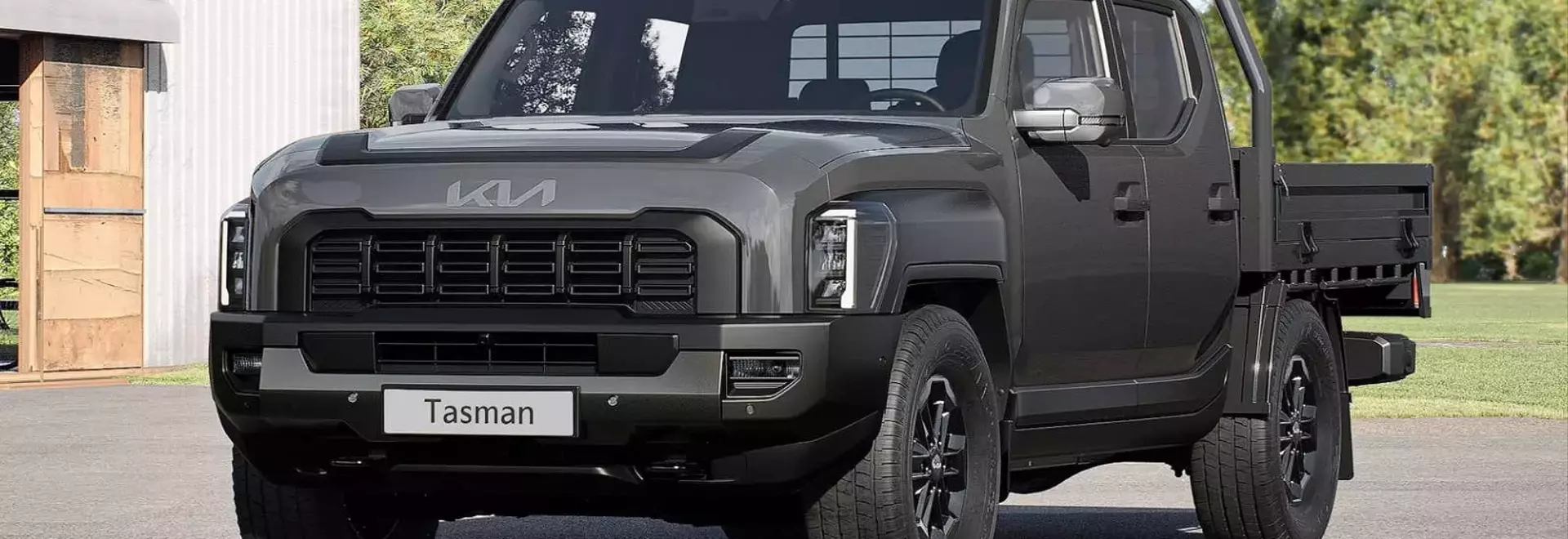
Kia Tasman Pickup Struggling Against Established Rivals in Australia
Kia's venture into the competitive pickup truck market with its Tasman model has encountered significant hurdles in Australia, failing to meet initial sales expectations. This performance stands in stark contrast to the brand's broader success across various automotive segments, indicating a unique challenge within the fiercely loyal pickup truck demographic. The Tasman's struggle against entrenched competitors like the Toyota HiLux and Ford Ranger underscores the difficulty for new entrants to disrupt established market leaders. Kia's leadership acknowledges the need to enhance its presence in fleet, agricultural, and provincial sectors to improve the Tasman's sales trajectory.
The current sales figures for the Tasman suggest that the Australian market's preference for reliable, value-driven workhorse pickups remains a significant barrier for new contenders. This trend mirrors similar patterns observed in other markets, such as the U.S. compact pickup segment, where models from newer entrants have struggled against long-standing favorites. The ingrained brand loyalty within the pickup community means that even a reputable brand like Kia faces an uphill battle to earn trust and market share, a process that could potentially take many years to achieve.
Kia Tasman's Uphill Battle in the Australian Market
Kia's entry into the Australian pickup truck market with the Tasman has been met with underwhelming sales performance, falling considerably short of its initial target of 20,000 units annually. In March alone, the Tasman sold a mere 399 vehicles, lagging far behind popular models such as the Toyota HiLux and Ford Ranger, each of which surpassed 4,000 sales in the same period. This significant discrepancy highlights the formidable challenge Kia faces in a market dominated by long-established and trusted brands. Despite the overall innovative design and diverse powertrain offerings that have propelled Kia to success in other segments, the Tasman's performance in the utility vehicle category indicates a need for a re-evaluation of its market strategy and positioning.
The struggle of the Kia Tasman can be attributed to several factors, including strong brand loyalty among Australian pickup buyers, who often prioritize proven capability, reliability, and value. Unlike other vehicle categories where Kia has carved out a niche with its unique design and diverse offerings, the pickup segment demands a different approach. Kia Australia CEO, Damien Meredith, has identified key areas for improvement, emphasizing the need to penetrate the fleet, agricultural, and provincial markets more effectively. The reluctance of these traditional buyers to shift from entrenched brands like Isuzu and Mitsubishi suggests that the Tasman's current appeal may not align with the core demands of this segment, necessitating a strategic pivot to better meet the expectations of these critical customer groups.
Navigating Brand Loyalty in the Pickup Segment
The Australian market's strong allegiance to existing pickup truck brands poses a considerable obstacle for the Kia Tasman, mirroring challenges faced by new entrants in other regions. This deeply rooted brand loyalty means that buyers often stick with what they know and trust, making it difficult for even a well-regarded manufacturer like Kia to gain a foothold. The emphasis on practicality, durability, and cost-effectiveness for work-oriented vehicles means that a reputation built over decades is hard to overcome. For the Tasman, this translates into a prolonged period of establishing credibility and winning over a skeptical consumer base that values heritage and proven performance.
This scenario is not unique to Australia; a similar pattern can be observed in the U.S. compact pickup market, where the Ford Maverick has significantly outsold the Hyundai Santa Cruz, despite both entering the segment around the same time. This trend suggests that Kia's upcoming body-on-frame midsize pickup could encounter similar difficulties in competing with established models like the Toyota Tacoma. The lesson for Kia is clear: success in the pickup segment requires more than just a competitive product; it demands a long-term commitment to building trust, understanding the specific needs of diverse buyer groups, and patiently cultivating brand loyalty. Earning the respect of pickup truck buyers is a marathon, not a sprint, and Kia must be prepared for a sustained effort to challenge the dominant players.
