Key Trends in the US Stock Market This Week
Navigating the Week's Economic Currents: Key Factors Shaping Investor Sentiment
Big Tech's Artificial Intelligence Expenditure Rattles Wall Street
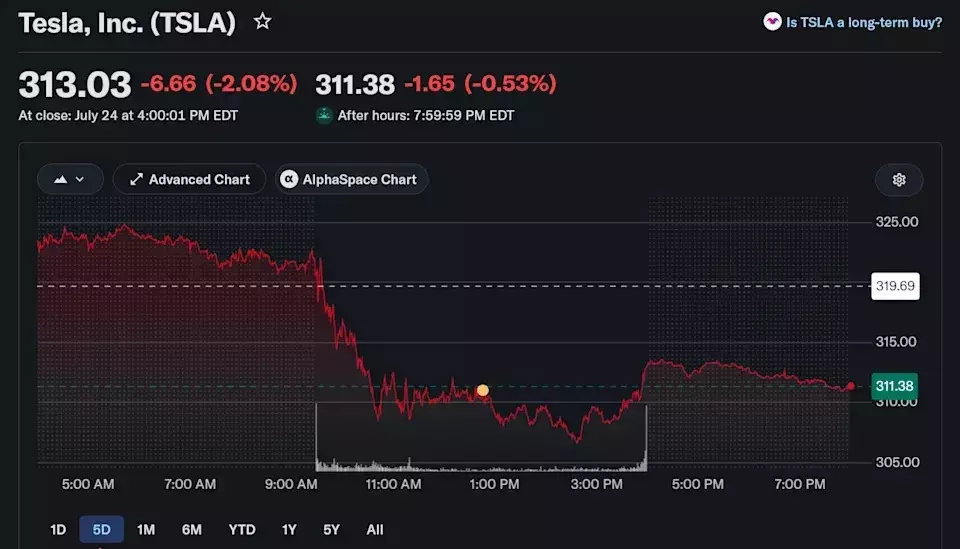
Technology sector leaders, including Tesla and Alphabet, encountered a significant sell-off following their latest earnings announcements. The market reacted nervously to concerns surrounding the escalating investment required for artificial intelligence initiatives. Tesla's shares dipped by 14.5% after revealing negative free cash flow for the first time in over two years, compounded by ongoing worries about vehicle demand and funding new ventures. Alphabet's stock fell 7% after projecting capital expenditures of approximately $200 billion for 2026, despite robust cloud division growth. This prompted a more than 2% drop in the Nasdaq on Thursday, intensifying scrutiny on upcoming earnings from Microsoft, Amazon, and Meta. Investors are now seeking tangible evidence that substantial AI spending will translate into improved profitability.
Soaring Oil Prices Revive Inflationary Anxieties
Brent crude surpassed the $100 per barrel mark this week, fueled by heightened tensions between the US and Iran, which sparked fears of potential disruptions to global oil supplies. This price surge reverberated throughout financial markets, leading to an increase in Treasury yields as traders anticipated that elevated energy costs could sustain inflation. Historically, rising yields tend to pressure growth stocks by diminishing the present value of future earnings and making bonds more appealing relative to high-priced equities. The oil rally also negatively impacted companies reliant on fuel and transportation, such as airlines, logistics providers, and consumer businesses, which could face increased operational expenses if crude prices remain high. Conversely, energy and defense stocks garnered investor interest, as these sectors are often perceived to benefit from higher oil prices and increased geopolitical risks. Cryptocurrencies also felt the strain during this period of risk aversion, with Bitcoin often exhibiting behavior similar to high-growth assets when bond yields climb and investors reduce exposure to speculative markets.
Semiconductor Shares Exhibit Wild Swings Amidst AI Boom
The semiconductor industry experienced considerable volatility this week, as investor sentiment oscillated between enthusiasm for AI demand and apprehension regarding excessive capital outlays. The Philadelphia Semiconductor Index initially surged by over 5% on Tuesday, with Micron, Western Digital, and Sandisk recording double-digit gains as investors capitalized on an earlier downturn in the sector. Super Micro Computer also saw a nearly 20% jump after announcing over $60 billion in new orders, signaling robust demand for AI servers and data center equipment. However, this recovery proved short-lived, as the semiconductor index retreated by 4.5% on Friday due to renewed concerns about AI spending. Intel's shares dropped almost 8% despite issuing stronger-than-expected guidance, as investors focused on its substantial investment plans and the costs associated with competing in advanced chip production. These fluctuations highlight the extreme sensitivity of semiconductor stocks, where strong demand provides support, yet high valuations leave little room for unexpected earnings shortfalls or rising expenses. For individual investors, volatility remains a primary concern, as AI-related stocks can experience sharp movements even with solid company performance.
