India's Music Streaming Market: Projected Growth and Challenges
Unlocking India's Sonic Potential: A Path to 30 Million Paid Music Subscribers
The Current Landscape of Indian Music Consumption
In India, the consumption of music is widespread, with approximately 96% of smartphone users engaging with music for over an hour daily. However, a significant gap exists between free and paid streaming services. Only 38% of users have ever paid for music streaming, including bundled subscriptions, contrasting sharply with the 86% who have utilized paid video streaming services. Dedicated digital music platforms are the primary choice for structured listening among 60% of respondents, while YouTube serves as a major platform for music discovery, especially through short-form videos, attracting 32% of listeners.
Addressing the Paradox: From Free to Paid Models
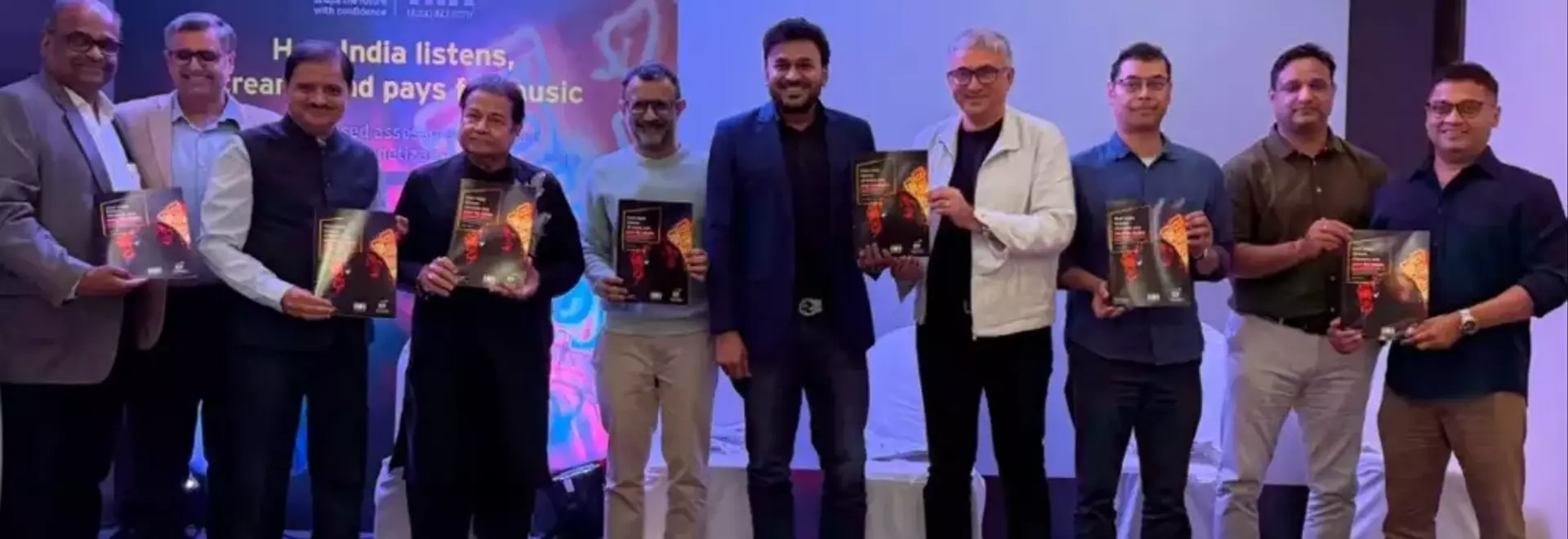
The discrepancy between high music consumption and low paid subscriptions stems from India's rapid transition from physical music formats directly to free, ad-supported digital streaming. Blaise Fernandes, CEO of the Indian Music Industry (IMI), emphasizes that a non-paid music ecosystem negatively impacts creators and copyright holders. He advocates for collaboration among record labels, digital service providers, and artists to develop a tiered paid model. India's 14 million paid subscribers lag behind Brazil's 30 million and the United States' 106 million. Notably, China, which trailed India in music industry size in 2015, now boasts over 171 million paid subscribers, propelling it to the second-largest global streaming revenue market.
The Economic and Cultural Imperative of Paid Subscriptions
Fernandes stresses the vital role of economic support for artistic endeavors. He argues that transforming India into an active patron market, rather than a passive consumer market, is crucial for both globalizing Indian music and nurturing new talent. Vikram Mehra, IMI Chairman, notes that consumer studies confirm a growing willingness among Indian consumers to pay for quality. The collective goal is to position India among the top five global music markets. Ashish Pherwani of EY India views the findings as an opportunity, highlighting the need for enhanced consumer awareness, diverse offerings, and innovative solutions to match evolving listener preferences.
Understanding Consumer Behavior and Motivations
Composer and artist Badshah articulates the cultural significance, stating that music's future depends on both its reach and perceived value. MindLink's psychometric research categorized smartphone users into three groups: Payers (active subscribers), Fence-sitters (free users open to paying), and Never-payers (those relying on free services like YouTube). Among Never-payers, 49% believe music streaming isn't worth paying for, and 36% feel it's inappropriate to pay for digital products when free alternatives exist. Fence-sitters represent a promising conversion target, with 27% finding value in paying for regular service use and 34% prioritizing reliability. Across all groups, only 7% were swayed by bundling alone, and a significant portion of Fence-sitters (38%) and Never-payers (33%) preferred owning music over subscribing.
Key Drivers for Future Growth and Industry Recommendations
Several factors support optimism for future market expansion. India's smartphone user base is projected to grow from 584 million in 2025 to 735 million by 2030, while its real GDP growth positions it to become the world's third-largest economy by 2030. The increasing number of registered vehicles and a young population (65% under 35) are also significant drivers of music consumption. Paid subscriptions surged by 37% in 2025 as streamers introduced premium features and made free products less appealing. Subscription revenues are expected to rise from approximately INR 10 billion ($111 million) in 2025 to INR 22 billion ($244 million) by 2028, with industry leaders envisioning a long-term ceiling of 50 to 75 million paid subscriptions. The primary reasons for paying include ad avoidance (44%), freedom in song selection (38%), and superior audio quality (36%). Among non-payers, 42% cite YouTube's free offerings, while 33% are deterred by price, and 30% see no need for premium features. Recommendations for increasing paid adoption include context-aware listening features, deeper bundling with telecom, banking, and e-commerce, multi-purpose apps integrating music with live events and creator content, and continued efforts against pirac
