Hormuz Strait Reopening: A Potential Challenge for the Oil Market
Money

Hormuz Strait Reopening: A Potential Challenge for the Oil Market

authorBy T. Harv Eker
DateJul 05, 2026
Read Time2 min

The Strait of Hormuz has seen a resurgence in shipping activity, with crude oil flows increasing as geopolitical tensions ease and diplomatic discussions between the United States and Iran progress. This renewed accessibility of a crucial maritime route for oil exports is set to inject significant volumes of crude into the global supply chain, a development that warrants close observation from market participants.

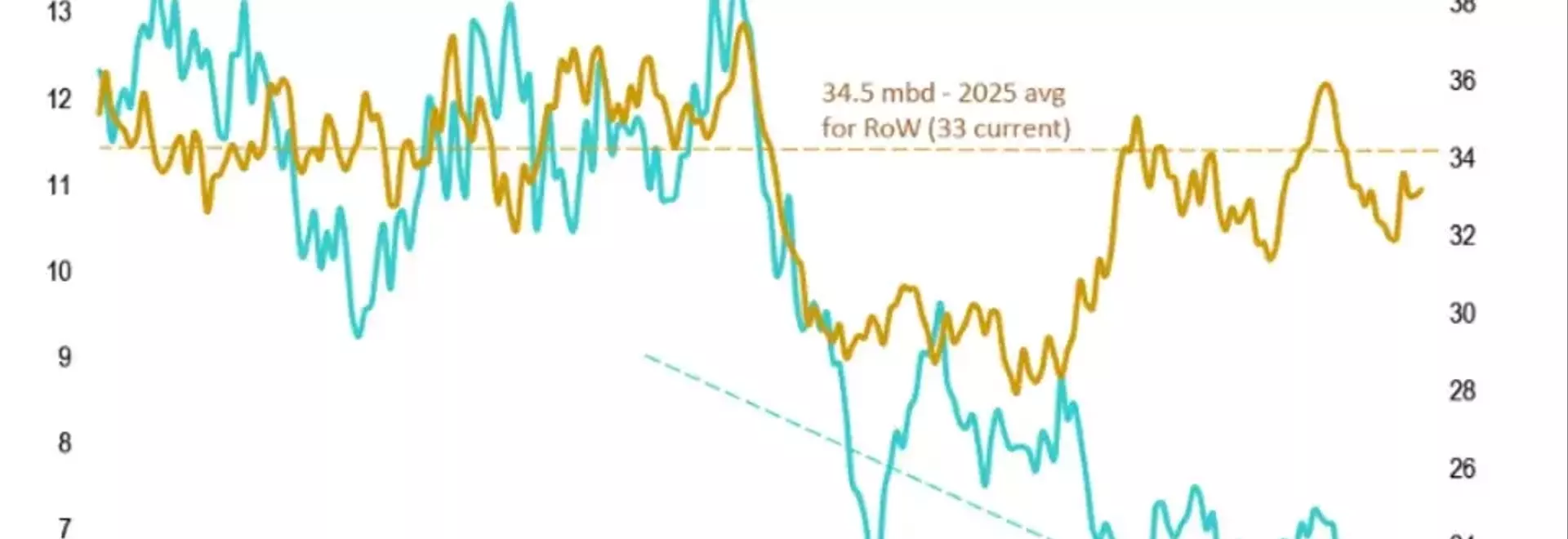
However, this influx of petroleum products into the global marketplace presents a multifaceted challenge for the oil sector, according to leading commodity strategists at JPMorgan, headed by Natasha Kaneva. Their analysis suggests that while the increased supply is undeniable, its timing coincides with a period where market demand, particularly from a key consumer like China, has significantly altered. China, which previously absorbed substantial quantities of oil, has seen a sharp decline in its import needs, causing a substantial shift in global demand dynamics. This shift allowed other nations to secure supplies elsewhere, thereby adapting to a reduced availability of oil from the Persian Gulf. Consequently, the re-entry of millions of barrels from the Strait of Hormuz might lead to a temporary oversupply, as the market navigates this complex readjustment.

While an immediate price collapse is not anticipated, a period of market re-evaluation is foreseen, extending into 2027. Chinese refiners are expected to resume purchases, and strategic reserves depleted during the period of scarcity will likely be replenished. Nevertheless, the International Energy Agency projects a notable decrease in global oil demand for 2026, foreseeing a substantial surplus in supply. This scenario depicts an oil market undergoing a significant recalibration, akin to a system reboot after a major disruption. The process will entail sorting through lingering effects and uneven restarts before achieving a new state of stability, reflecting the intricate interdependencies within the global energy landscape.

The current global energy landscape underscores the intricate balance between supply and demand, reminding us that market forces are constantly adapting to geopolitical shifts and evolving consumption patterns. This complex interplay, while posing short-term challenges, ultimately fosters innovation and resilience within the industry. It highlights the importance of strategic foresight and collaborative efforts to navigate transitions and ensure energy security for all.

More Articles
Money
Navigating Retirement Without Savings: A Family's Financial Predicament
A Reddit user sought advice for their parents, both in their early 60s, who lack retirement savings, carry a mortgage, and have only $2,200 in combined Social Security income. This article explores strategic solutions to help them achieve financial stability in retirement, including leveraging home equity, managing healthcare costs, and considering alternative living arrangements and income streams.
By Mr. Money MustacheJul 05, 2026
Money
AI Models Predict Bitcoin's July Trajectory
Four leading AI models - ChatGPT, Gemini, Claude, and Grok - offer varied predictions for Bitcoin's performance in July. While most foresee a modest recovery, they all acknowledge significant downside risks if macroeconomic conditions worsen. Key factors influencing Bitcoin's price include institutional demand and US monetary policy decisions, particularly the Federal Reserve's July meeting.
By Natalie PaceJul 05, 2026
Money
Strategy Inc. Stock Experiences Significant June Decline
Strategy Inc. shares plummeted 45.4% in June, primarily due to a substantial drop in Bitcoin prices. The company, which functions as a de facto Bitcoin treasury, had to adjust its liquidity strategy and sell a small amount of Bitcoin for the first time in over three years to cover dividends and debt, leading to increased investor concern and prompting a revised financial approach to ensure stability amidst cryptocurrency market volatility.
By T. Harv EkerJul 05, 2026
Money
Retirement Realities: Navigating Charleston's Costs at 65
Retiring in Charleston, SC, at 65 with nearly a million dollars demands careful financial planning due to specific regional costs. While a $975,000 portfolio can cover a single retiree's annual income gap, coastal property expenses, particularly insurance, pose significant financial risks. Delaying Social Security benefits can alleviate some of this burden, but prospective retirees must factor in housing costs, healthcare, and unexpected expenses to ensure a truly worry-free retirement in this charming yet expensive city.
By T. Harv EkerJul 05, 2026
Money
Maximize Retirement Savings: The Backdoor Roth 401(k) Strategy for High Earners
High-income individuals often face restrictions on contributing to Roth IRAs directly. This article explores a strategic workaround, the "backdoor Roth 401(k)" maneuver, which allows affluent taxpayers to funnel significant tax-free savings into retirement accounts. It details how to navigate income limitations, the step-by-step process of contributing and converting funds, and critical considerations like the pro-rata rule to avoid unexpected tax implications. The strategy, particularly beneficial for those aged 50 and above, could lead to substantial tax-free growth, potentially accumulating hundreds of thousands of dollars over time.
By Bola SokunbiJul 05, 2026