Home Insurance Premiums in a Changing Climate: A Shifting Landscape
Navigating the Storm: Understanding Your Home Insurance in an Era of Climate Volatility
A Year of Relative Calm: Decoding the Impact of Fewer Natural Disasters on Home Insurance
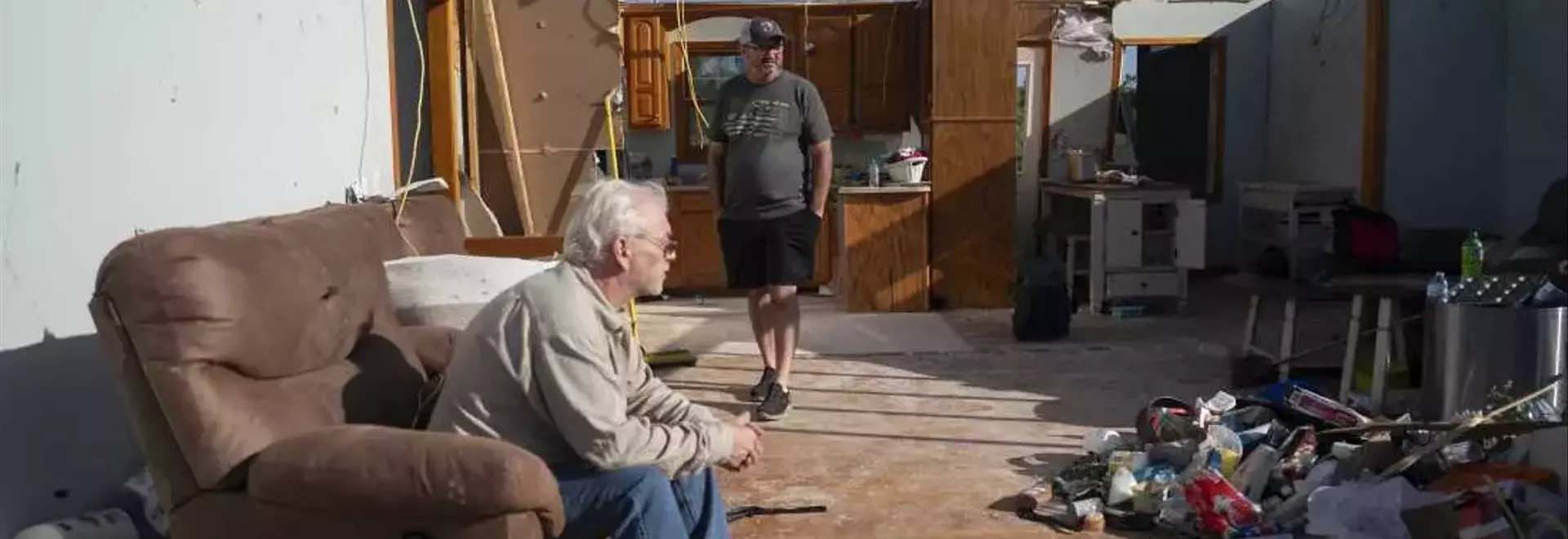
Despite a noticeable decrease in major natural catastrophes during 2025, American homeowners, who have grown accustomed to escalating insurance expenses partly due to climate-related threats, are finding that the prospect of lower premiums remains uncertain and geographically isolated. While regions like California, Texas, and Alaska experienced significant events such as wildfires and floods, the continental U.S. was spared from direct hurricane landfalls. This lull prompts a critical question: will this period of reprieve translate into a financial break for homeowners' insurance bills?
Regional Disparities in Insurance Relief: The Case of Florida and Beyond
The answer to widespread insurance relief is complex and varies significantly by location. Florida stands out as a state where some homeowners might indeed see a reduction in their insurance costs. Historically plagued by some of the nation's highest premiums, Florida has seen private insurers re-entering its market, leading to projected decreases in state-backed insurance plans for many, as highlighted by Governor Ron DeSantis. This positive trend in Florida is attributed to both a less severe hurricane season and targeted policy reforms aimed at mitigating insurance litigation.
National Trends: Persistent Premium Hikes Despite Localized Easing
Conversely, the national outlook for home insurance premiums remains less optimistic. Industry projections suggest a general increase between 3% and 8% across the country, with Midwestern states bracing for the most substantial hikes due to the impact of hail and convective storms. Experts emphasize that while 2025 might have been 'better' than recent years in terms of disaster costs, it's a relative improvement within a troubling pattern of catastrophic losses. The consistent financial strain, marked by over $100 billion in annual losses for four out of the last five years, means insurers are unlikely to drastically cut rates based on a single calmer year, particularly given the escalating long-term risks associated with a warming climate.
Underlying Pressures: Why Home Insurance Costs Continue to Climb
The continuous rise in home insurance expenses is multifactorial. Beyond climate-induced damages, an increasing number of people are settling in vulnerable areas, like coastlines and forested regions, putting more properties at risk. When disasters strike, the elevated cost of rebuilding due to inflation further burdens insurers. Additionally, the cost of reinsurance—insurance for insurance companies—has been a significant driver of premium increases. Although reinsurance prices have shown recent signs of easing, thanks to a milder hurricane season, any savings are not expected to be fully passed on to consumers immediately or uniformly.
The Role of Reinsurance and Litigation in Shaping Future Premiums
The dynamics of reinsurance markets play a crucial role in homeowner premiums, especially in hurricane-prone states. Areas heavily reliant on reinsurance, such as Florida, Louisiana, and Texas, could potentially see the most significant benefits from falling reinsurance costs or expanding coverage options. Furthermore, legislative efforts to limit insurance litigation, as seen in Florida, are also contributing to a more stable insurance environment and influencing premium adjustments. However, experts caution that any relief felt will likely be modest, given the substantial increases witnessed over the past few years, with average annual costs in some states far exceeding the national average.
Long-Term Outlook: Adapting to a New Reality of Risk and Affordability
Looking ahead, a sustained period of low disaster costs could lead to more widespread stabilization or even decreases in insurance rates as a competitive market drives insurers to attract customers. However, the overarching challenge remains: individuals and communities must make difficult choices about where they reside and how they safeguard their properties against growing environmental threats. The current trajectory suggests a future where the affordability of home insurance will increasingly influence residential patterns and necessitate proactive measures to mitigate risks, especially for properties in repeatedly affected area
