Hidden Dangers in Your Kitchen: Everyday Items Threatening Your Health
In the pursuit of a healthy home and safe meal preparation, it's easy to overlook the potential hazards lurking in our everyday kitchen tools. While diligently cleaning surfaces and managing food waste are crucial, certain common items can subtly undermine our efforts, introducing risks like chemical exposure and bacterial contamination. Recognizing these hidden threats and understanding how to mitigate them is key to maintaining a truly healthy kitchen environment. This article delves into the specific dangers posed by damaged cookware, plastic storage, worn cutting boards, and cleaning cloths, offering practical advice for safer alternatives and improved maintenance.
Maintaining a safe and hygienic kitchen extends beyond mere surface cleanliness. Various everyday items, if not properly cared for or replaced when damaged, can introduce harmful elements into our food and environment. Understanding the potential risks associated with these kitchen essentials is the first step towards creating a healthier cooking space. From the cookware we use to the tools we clean with, every item plays a role in our overall well-being. By making informed choices and adopting diligent maintenance habits, we can significantly reduce exposure to contaminants and safeguard our health.
The Silent Contaminants: Cookware and Storage Concerns
Many common kitchen items, if not properly maintained, can pose health risks. This includes damaged nonstick cookware that leaches chemicals, plastic containers releasing microplastics, and worn cutting boards harboring bacteria. Sponges and dishcloths can also become breeding grounds for harmful microbes. Understanding these risks and adopting safer practices can significantly enhance kitchen hygiene and food safety.
Nonstick cookware, while convenient, becomes a concern when its coating, often Teflon, is scratched or overheated. This degradation can lead to the release of chemicals and microparticles into food, as highlighted by food safety expert Chamali Kodikara. The integrity of the nonstick surface is compromised under high temperatures or with physical damage, increasing the potential for chemical migration. Similarly, plastic food-storage containers, ubiquitous in modern kitchens, are notorious for releasing microplastic and nanoplastic particles into food. This phenomenon is exacerbated by heat, such as during microwaving, and prolonged storage, especially with fatty foods. Even at room temperature, plastics can contribute to microplastic exposure over time. Therefore, replacing damaged nonstick pans with ceramic, stainless steel, or cast iron alternatives, and opting for glass, stainless steel, or food-grade silicone containers for food storage, particularly for reheating, are recommended strategies to minimize these risks.
Bacterial Havens: Cutting Boards and Cleaning Tools
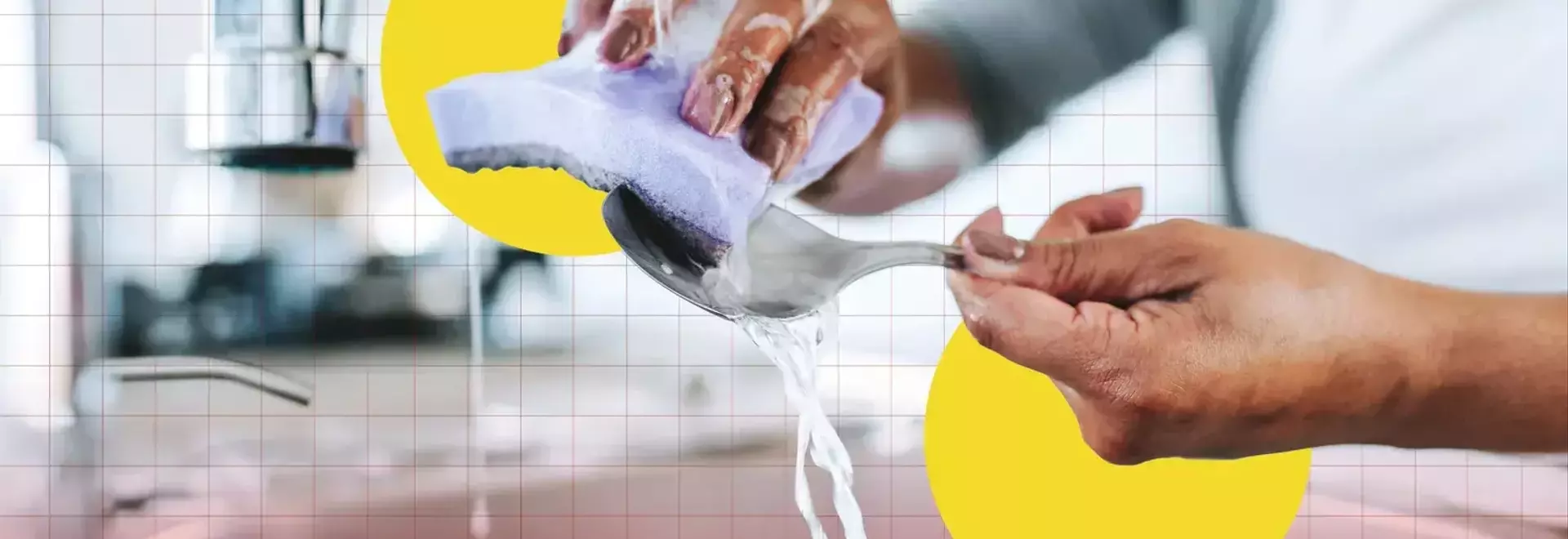
Sponges and dishcloths, frequently used for cleaning, are often overlooked as potential breeding grounds for bacteria, including harmful pathogens like Salmonella. These moist and warm environments are ideal for rapid microbial growth, facilitating the spread of bacteria to hands, dishes, and kitchen surfaces. Similarly, worn cutting boards, whether plastic or wood, can harbor bacteria in their deep cuts and grooves, making thorough cleaning difficult and increasing the risk of cross-contamination between raw and ready-to-eat foods.
To combat these microbial threats, regular maintenance and timely replacement are essential. Kitchen sponges should be sanitized daily and replaced at least weekly. Dishcloths require frequent laundering at high temperatures, and choosing quick-drying options can help limit bacterial proliferation. When it comes to cutting boards, those with significant wear, deep grooves, or persistent odors should be discarded. Employing separate cutting boards for raw meats and produce, along with rigorous washing and sanitization after each use, are critical steps in preventing foodborne illnesses. By actively addressing these hygiene concerns, we can create a safer cooking environment and protect our families from potential health hazards.
