H&M Navigates Store Closures and Shifting Retail Landscape
Money

H&M Navigates Store Closures and Shifting Retail Landscape

authorBy Natalie Pace
DateJun 29, 2026
Read Time2 min

The fashion retail sector is inherently volatile, with consumer preferences constantly evolving, leading to rapid shifts in demand. Once-dominant brands can quickly find themselves struggling to maintain relevance. Even established retailers like H&M, a prominent name in fast fashion, experience periods of surging popularity and downturns, challenged by the dynamic nature of consumer tastes and the emergence of agile online competitors.

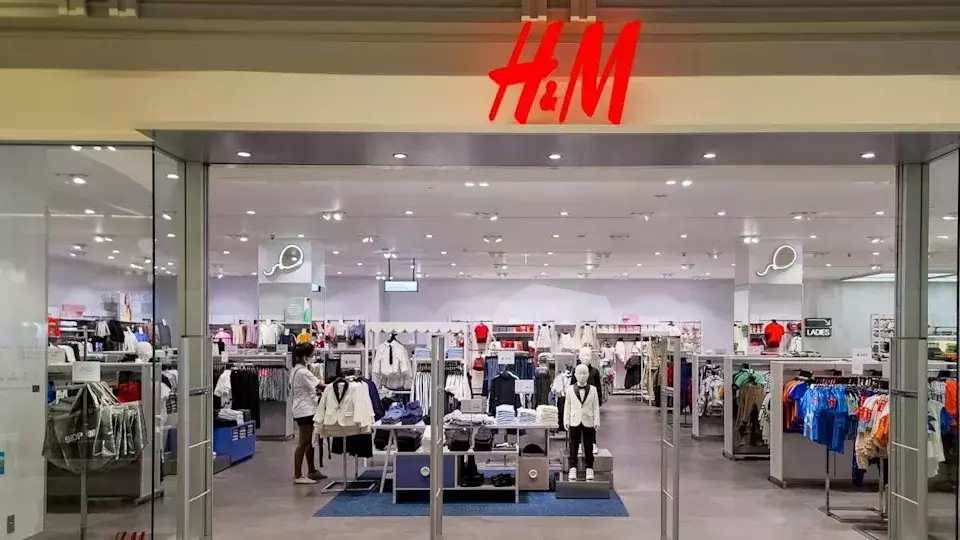
H&M has been actively streamlining its operations, evidenced by the closure of over 600 stores since 2022, with 136 shuttered in the last six months alone. This contraction includes the absorption of its youth-focused Monki brand into Weekday, a strategic move aimed at consolidating resources and enhancing brand focus. The company's efforts to adapt to a landscape increasingly dominated by cost-effective digital rivals like Shein and Temu, which benefit from lower overheads by operating without physical stores, highlight the pressure on traditional retailers. Despite a 1% decline in sales during the first half of the year, H&M's CEO, Daniel Ervér, emphasized improved profitability and ongoing investments in digital infrastructure, along with a renewed focus on creating localized store experiences to foster stronger customer connections.

The company also faces increasing scrutiny regarding sustainability within the fast fashion industry. While H&M has undertaken initiatives like its Garment Collecting program and ranks highly on the Fashion Transparency Index, skepticism persists among activists about the actual environmental impact due to a lack of comprehensive production data. H&M's current strategy involves leveraging its global store network to offer tailored product selections and personalized services, aiming to differentiate itself from online-only competitors and address both market shifts and ethical concerns. This adaptation reflects a broader industry challenge where traditional brands must balance speed, cost, and ethical responsibilities to thrive.

In a rapidly changing world, businesses like H&M demonstrate the importance of adaptability and strategic evolution. Facing both fierce competition and increasing calls for sustainability, their journey underscores that success is not merely about survival, but about thoughtfully reimagining and rebuilding to align with new consumer values and technological advancements. This proactive approach ensures relevance and fosters a more conscious and innovative future for the industry.

More Articles
Money
Bank of America Raises Global Growth Forecast Amid AI Surge
Bank of America has revised its global growth projections upward, attributing the accelerated expansion primarily to the booming artificial intelligence sector. The financial institution now forecasts a 3.2% global economic growth for 2026 and 3.5% for 2027, an increase from previous estimates. This optimistic outlook highlights AI's increasing dominance as a key economic driver, surpassing traditional factors like consumer spending, and influencing global markets through increased investment and export cycles.
By Ramit SethiJun 29, 2026
Money
Spotify vs. Netflix: A Divergent Path for Growth Stocks
In Q1 2026, both Spotify and Netflix saw their stock prices dip following earnings reports, but for distinct reasons. Spotify outperformed profit expectations with organic margin expansion, while Netflix's significant free cash flow was largely due to a one-time termination payment. This article explores their differing strategies, with Spotify focusing on audio and Netflix diversifying into new ventures, and assesses which company presents a clearer investment narrative.
By Dave RamseyJun 29, 2026
Money
Strategic Shift: Company to Potentially Liquidate Bitcoin Holdings Amidst Treasury Pressures
A leading analytics firm has announced a new strategy, permitting the sale of up to $1.25 billion in Bitcoin. This move aims to bolster its U.S. dollar reserves, cover dividend payments, interest, and other corporate expenses. The company's treasury model, which heavily relied on Bitcoin, is currently under scrutiny, prompting this proactive measure to enhance financial flexibility.
By Scott PapeJun 29, 2026
Money
Nano Dimension's Strategic Moves: Mergers, Divestitures, and Future Growth
Nano Dimension (NNDM) is positioning itself for future growth through a proposed merger with Infinite Epigenetics and the recent divestiture of its subsidiary MarkForged to Stratasys. These strategic decisions aim to enhance the company's financial standing and focus on its core industrial manufacturing solutions while exploring new opportunities in the high-growth epigenetics sector.
By Scott PapeJun 29, 2026
Money
Scotiabank Elevates BXP's Rating to 'Outperform'
Scotiabank has upgraded BXP, Inc. (BXP) to 'Outperform' from 'Sector Perform,' raising its price target to $70. This positive revision comes after BXP demonstrated robust leasing activity and secured a significant lease agreement with McDermott Will & Schulte for its 343 Madison Avenue property in New York City. Despite a previous downgrade by Truist, Scotiabank views BXP's valuation favorably within the office REIT sector.
By T. Harv EkerJun 29, 2026