Guiding Children to Future-Proof Careers in the Age of AI
In an era where artificial intelligence is reshaping industries at an unprecedented pace, parents face the challenge of preparing their children for a job landscape vastly different from their own. The traditional emphasis on good grades and effort, while still valuable, is being overshadowed by the critical need to identify careers that are resilient to automation. This article explores a father's perspective on guiding children toward professions that will not only endure but thrive in an AI-dominated future, highlighting sectors where human judgment, creativity, and hands-on skills remain indispensable.
Navigating the AI-Driven Job Market: A Father's Insights
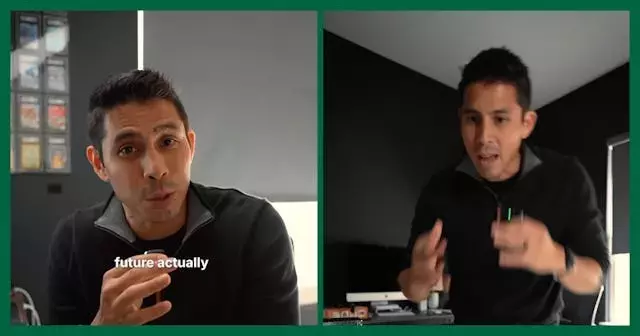
In a thought-provoking online discussion, Andrew Tiu, a perceptive father, recently illuminated critical career pathways for children navigating the burgeoning age of artificial intelligence. His timely insights, shared just now, underscore a fundamental shift in the employment landscape: the future divide will not be between those who exert effort or achieve high academic marks, but rather between individuals who master the art of guiding AI and those who find themselves in direct competition with it. Tiu meticulously outlined several key sectors he believes will be resilient and paramount in the coming decades.
Healthcare professionals, including doctors, nurses, and specialists, stand at the forefront. Tiu emphasized that while AI can assist in diagnostics, it can never replicate the profound human qualities of trust, ethical decision-making, and empathetic, hands-on care. These roles demand nuanced judgment calls where human lives hang in the balance, a domain untouched by artificial intelligence.
Another vital area is skilled trades. Electricians, HVAC technicians, and welders possess expertise that AI simply cannot mimic. Tiu eloquently stated that AI's capabilities extend to automating software but fall short in physically wiring buildings, repairing complex systems, or fixing grids. With escalating shortages and increasing remuneration in these fields, particularly as infrastructure undergoes modernization, these roles are crucial for solving tangible, real-world problems that remain beyond AI's grasp.
The architects of AI itself—AI engineers and machine learning developers—represent another indispensable group. Tiu humorously noted that AI is unlikely to replace its creators unless the dystopian vision of "Terminator" becomes reality. These professionals are tasked with designing, training, and governing the very systems that will permeate every facet of society, offering a truly impactful career path where one shapes, rather than competes with, artificial intelligence.
Cybersecurity and digital defense specialists are also projected to be in high demand. As AI systems become more sophisticated, so too will cyber threats. Tiu predicts a surge in the frequency and intelligence of attacks, making human expertise in digital defense indispensable. This field is rapidly expanding, offering lucrative opportunities given the catastrophic financial implications of security breaches.
Finally, Tiu champions entrepreneurs and business innovators. He clarified that contrary to popular misconceptions, modern entrepreneurship, empowered by AI, transcends merely selling online courses. AI dramatically reduces the initial costs and barriers to starting a business, enabling creatively inclined individuals with strong leadership potential to rapidly develop and launch innovative products. These entrepreneurs will not be competing against AI but will rather leverage it as a powerful multiplier for their ventures, addressing novel problems yet to emerge.
Tiu’s overarching message is clear: future workers poised for secure and prosperous careers will be those who either guide, leverage, or perform tasks that AI cannot replicate. This perspective offers a roadmap for parents anxious about their children's professional future. The discussions sparked by Tiu’s insights have also brought to light parental anxieties about an uncertain future and questions regarding the long-term viability of other professions like law and finance, prompting a broader contemplation on AI's full capabilities and limitations.
This discussion highlights a pivotal moment in career planning. It's no longer just about acquiring knowledge, but about fostering adaptability, critical thinking, and the unique human skills that AI cannot replicate. As parents, our role evolves from simply preparing children for jobs to equipping them with the foresight and resilience to navigate a constantly changing professional landscape. We must encourage them to explore fields where creativity, emotional intelligence, and complex problem-solving are paramount, turning the challenge of AI into an opportunity for innovation and growth.
