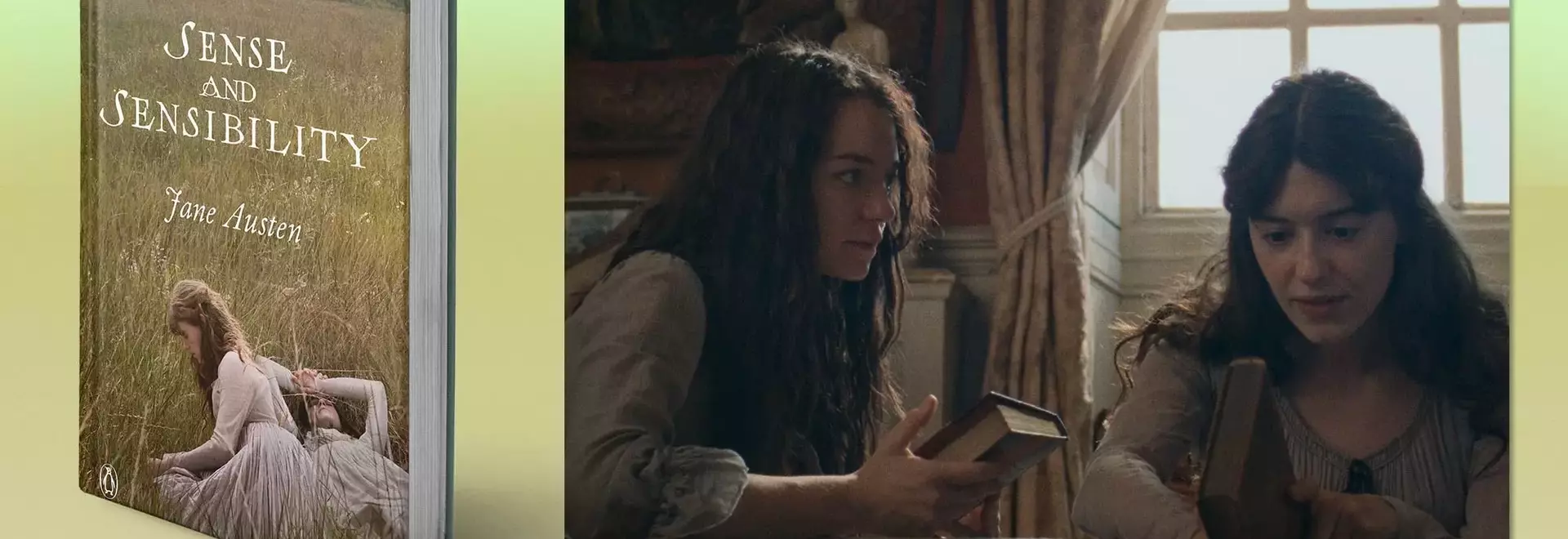
A Grittier 'Sense and Sensibility': Reimagining Austen's Classic for Modern Audiences
A new cinematic interpretation of Jane Austen's 'Sense and Sensibility' offers a distinctly authentic and unvarnished perspective on the beloved classic. This adaptation moves away from the lavish depictions often associated with Austen's works, instead embracing a more grounded aesthetic that reflects the Dashwood sisters' diminished financial standing after their father's demise. Through thoughtful costume choices, realistic set design, and naturalistic cinematography, the creative team has endeavored to highlight the emotional depth and challenges faced by Elinor and Marianne, ensuring their journey of love and self-discovery remains at the narrative's core. The film serves as a compelling re-examination, inviting audiences to connect with the characters' struggles and triumphs in a refreshingly relatable manner.
The creative force behind this re-imagining consciously chose to steer clear of the conventional grandeur often seen in period dramas. Instead of dazzling ballrooms bathed in the glow of numerous chandeliers, the film’s central ball scene is illuminated solely by candlelight, a subtle yet potent indicator of the Dashwood family's reduced fortune. The sisters themselves, Elinor portrayed by Daisy Edgar-Jones and Marianne by Esmé Creed-Miles, arrive in elegant yet understated gold and silver attire, notably devoid of the elaborate embellishments such as feathers that adorn other guests. These seemingly minor details are critical in conveying the family's fall from grace and their struggle to adapt to new circumstances. Costume designer Grace Snell emphasized that the clothing was chosen to be functional and shared, with unpressed gowns and mud-stained hems for Marianne, signifying their lack of household staff and financial constraints. This stark visual difference immediately establishes the film's commitment to realism, a deliberate contrast to the opulent settings of previous adaptations, including Ang Lee's celebrated 1995 version starring Emma Thompson and Kate Winslet.
Screenwriter Diana Reid approached Austen's text with a sense of 'respect rather than reverence,' aiming to highlight the deep bond between the sisters as the true emotional core of the story. She sought to evolve their characters, with Elinor embracing some of Marianne's passionate nature and Marianne learning from Elinor's prudence, making their sisterly relationship the catalyst for their personal growth. The romantic entanglements, in this interpretation, become a reward for their shared journey. This reinterpretation extends to the male characters as well; Colonel Brandon is depicted as younger, shedding his 'father figure' archetype, and Edward Ferrars' backstory is adjusted to align his sense of duty with Elinor's, creating a deeper, more resonant connection between them. The production also ensured that the Dashwoods appeared slightly unconventional for their era, their clothing and demeanor subtly at odds with societal expectations, emphasizing their individual spirits and their pursuit of genuine connection over conformity.
Cinematographer Arnaud Potier's visual approach was equally intentional, drawing inspiration from Stanley Kubrick's 'Barry Lyndon' for its naturalistic, candlelit aesthetic. Potier purposefully employed real tungsten and filament lighting, shying away from modern LEDs to achieve an authentic period feel. The result is a film often steeped in darkness, which Potier believes effectively conveys the arduous lives the Dashwood sisters endured. He aimed for a 'painterly' quality, underscoring the film's moodiness and emotional weight. The camera work also adapted to the settings; at Norland, the camera was more dynamic and bright, reflecting their initial comfort, but it became more static and intimate within their smaller cottage, symbolizing the confined and weighty nature of their new life. This thoughtful cinematography ensures that audiences feel immersed in the characters' experiences, drawing them into the emotional landscape of the story. Additionally, production designer Francesca Di Mottola meticulously selected and transformed real locations to serve as the Dashwood homes, emphasizing the idea that each house should feel genuinely lived-in and imbued with familial history. Norland Park, filmed in an untouched Dorset estate, showed signs of wear and age, reflecting the family's declining fortunes, while Barton Cottage required extensive renovation to transform it into a believable, gradually cozy family dwelling. The meticulous attention to detail, from frayed drapes to handmade decorative elements, further reinforces the film's commitment to portraying the Dashwood's reality.
This contemporary adaptation acknowledges its cinematic predecessors, particularly Ang Lee's 1995 version, viewing it as a masterpiece to be studied rather than replicated. The team sought a 'more grounded, more earthy' visual style, consciously diverging from the previous film's aesthetic. Even elements like costume creation formed a bridge between the two eras, with costume designer Snell collaborating with Cosprop, the same costume house that worked on the 1995 film. This connection symbolizes a passing of the torch, a recognition of the original's legacy while forging a new path. Ultimately, the film's creators hope it will encourage viewers to revisit Jane Austen's original novel, making classic literature feel more accessible and allowing modern audiences to discover new facets of themselves within these timeless narratives. The enduring message, as articulated by the screenwriter, is that true growth and lasting romantic fulfillment emerge from the strength of female relationships and mutual learning.
