The Great Peanut Butter Debate: Natural vs. Conventional for Baking and Beyond
For many years, my kitchen held a jar of pure, natural peanut butter, reflecting a commitment to whole foods. This choice was influenced by my surroundings in the Hudson Valley, an area abundant with health-focused stores. The shift from a well-known brand like Skippy to an all-natural version felt like an unavoidable progression towards healthier eating habits.
However, relocating to New York City brought a change in perspective. The urban environment encouraged a more pragmatic approach to food, leading to a reevaluation of dietary choices. This transition included rediscovering the appeal of conventionally sweetened and emulsified peanut butter, especially for certain culinary uses and for moments of simple indulgence. While natural peanut butter retains its place for specific savory preparations, the classic, smooth variety has reclaimed its spot in the pantry, symbolizing a balance between health consciousness and everyday enjoyment.
The Undeniable Appeal of Sweetened Peanut Butter
The enduring popularity of sweetened, commercially produced peanut butters, such as Jif or Skippy, goes beyond mere sentimentality. Their distinct appeal is largely attributed to specific ingredients: a touch of sugar, a hint of salt, and the inclusion of stabilizers and emulsifiers. These additives are crucial for achieving the smooth, consistent texture and extended shelf life that consumers expect. Unlike natural peanut butter, which tends to separate into distinct oil and solid layers, conventional versions incorporate hydrogenated vegetable oils. These oils undergo a process where hydrogen atoms are introduced to unsaturated fats, transforming them into more solid and stable forms at room temperature, effectively preventing separation.
Moreover, substances like mono- and diglycerides or lecithin are commonly added as emulsifiers. These compounds play a vital role in binding water and fat, ensuring a cohesive and creamy spread. The addition of sweeteners, often sugar or corn syrup, along with salt, further enhances the flavor profile, creating a balanced and satisfying taste. This careful combination of ingredients results in a consistently creamy, stable product that maintains its integrity without splitting or seizing, even when mixed with liquids. This makes it a highly versatile ingredient, particularly favored in various baking applications where stability and smooth texture are paramount.
Strategic Selection: When to Choose Each Peanut Butter Type
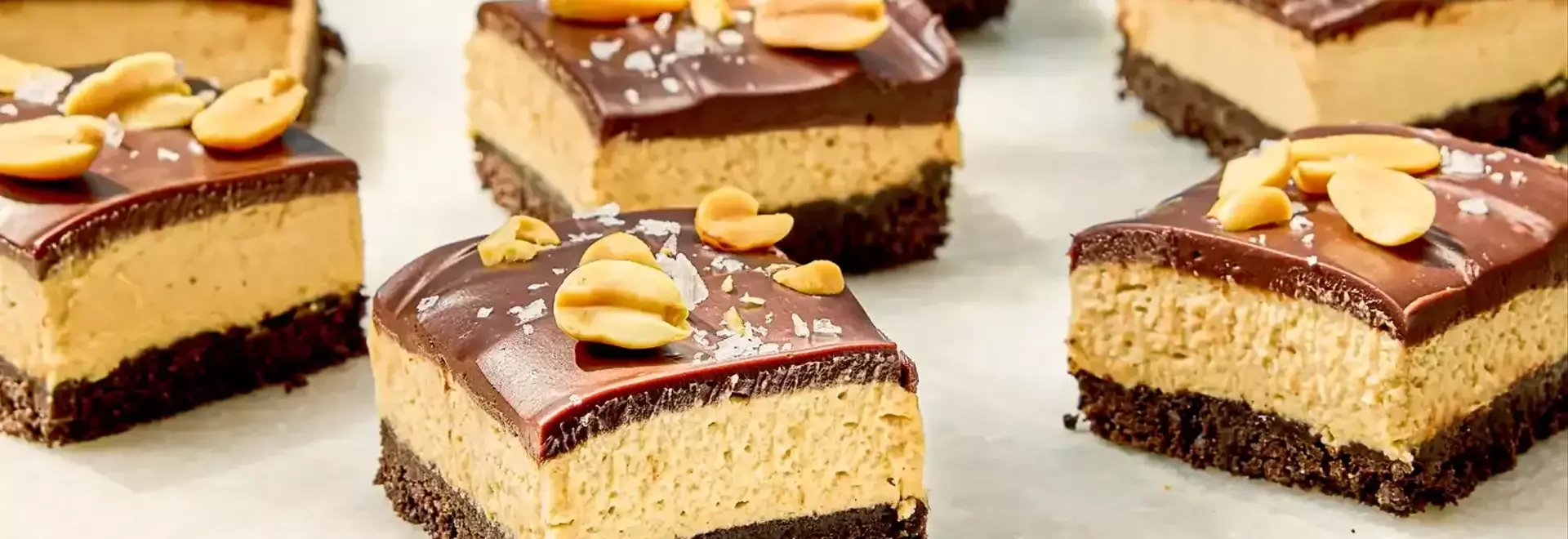
The inherent stability of emulsified peanut butter offers a significant advantage in culinary applications, particularly in baking. Its smooth consistency allows it to blend seamlessly with ingredients like melted chocolate, butter, or various batters without becoming grainy or oily. This characteristic ensures that frostings remain silky, no-bake bars hold their shape perfectly, and cookies achieve a soft, cohesive texture. When incorporated into pies and other fillings, it contributes to an even blend and a refined, smooth finish. In contrast, natural peanut butter, lacking these stabilizing agents, can cause mixtures to curdle, separate, or result in baked goods that are dry and crumbly. Beyond baking, the convenience of stabilized, creamy peanut butter is evident; it spreads effortlessly on toast, requires no stirring, and offers a dense, satisfying spoonful for a quick snack.
However, natural peanut butter certainly has its own valuable niche. Its robust, unsweetened nutty essence makes it an excellent candidate for savory dishes, allowing the authentic flavor of peanuts to shine through without competition from added sugars. Recipes like West African peanut stew or Sudanese mullah kombo benefit immensely from its earthy depth. The primary consideration when using natural peanut butter is its tendency to separate, necessitating a thorough stir to reintegrate the oil and solids before use. Ultimately, the choice between natural and conventional peanut butter hinges on the intended application, with each type excelling in different culinary contexts.
