Government Shutdown's Lingering Impact on Food Assistance
Even as the recent government shutdown potentially winds down, the significant strain it has placed on food assistance networks persists, particularly impacting programs like the Supplemental Nutrition Assistance Program (SNAP). This disruption has highlighted a critical need for sustained support for millions of Americans who rely on these services. Local food banks and other safety net organizations have stepped up to fill the void, but the increased demand threatens to overwhelm their resources, underscoring a broader societal vulnerability that extends far beyond the immediate period of government closure. The ongoing challenges reveal a complex interplay of governmental policy, judicial intervention, and community resilience in addressing fundamental human needs.
The Immediate and Lasting Impact of SNAP Disruptions
The recent government cessation has brought into sharp focus the vital role of the Supplemental Nutrition Assistance Program (SNAP) for countless households. The interruption of these critical benefits has created an immediate crisis for millions, prompting an urgent response from charitable organizations. Beyond the immediate provision of food, the uncertainty surrounding SNAP payments has forced individuals to make difficult financial decisions, often tapping into savings or altering long-term plans. This ripple effect on personal finances and stability demonstrates how governmental actions can have profound and enduring consequences on the most vulnerable segments of the population. The experience underscores the need for robust, uninterrupted support systems.
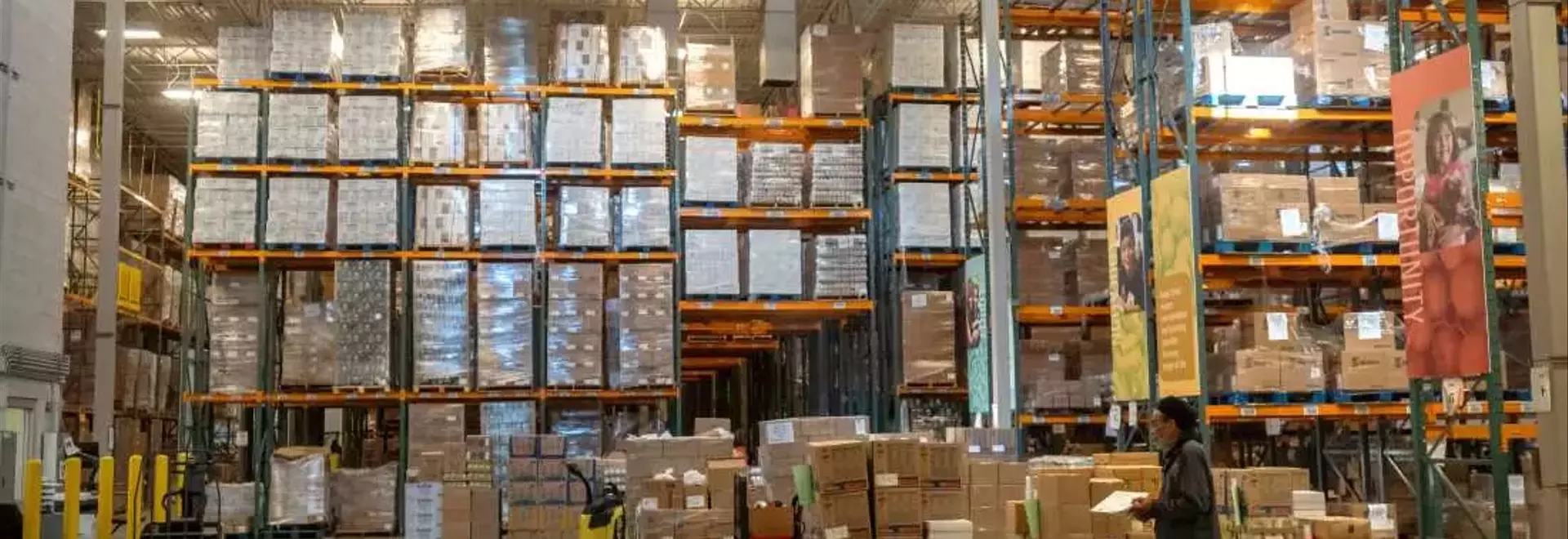
The federal government's temporary halt has severely affected SNAP benefits, leaving millions of Americans in a precarious position regarding food security. Organizations such as the Capital Area Food Bank in Washington, D.C., have observed a dramatic surge in demand, offering expanded distribution services to assist furloughed federal employees and other affected individuals. Radha Muthiah, CEO of the Capital Area Food Bank, noted a significant increase in families seeking assistance, highlighting the severe financial strain experienced by many, forcing them to dip into long-term savings or reevaluate educational plans for their children. The legal back-and-forth between the Trump administration and the Supreme Court concerning the distribution of November's SNAP benefits has added to the confusion and anxiety, with some states unilaterally proceeding with full payments despite federal appeals. This fluctuating landscape of benefit provision means that even with a potential end to the shutdown, the fundamental need for food assistance remains constant and acute, exacerbated by broader economic factors.
Community Response and Future Challenges in Food Support
In the face of governmental paralysis and its widespread consequences, local communities and their charitable organizations have become indispensable pillars of support. Food banks, in particular, have experienced an unprecedented surge in demand, extending their services to accommodate a growing number of individuals newly facing food insecurity. This outpouring of local generosity and volunteerism has been critical in mitigating the immediate hardships, yet it also exposes the systemic pressures on these organizations. The challenge extends beyond simply providing food; it involves addressing diverse dietary needs and navigating logistical complexities, all while grappling with the possibility of sustained high demand. This period highlights the enduring strength of community solidarity and the urgent need for a more stable and responsive support infrastructure.
The extended government shutdown, marking the longest in U.S. history, has not only impacted federal workers but has also generated a ripple effect across various sectors, leading to a broader increase in food insecurity. The Capital Area Food Bank, for instance, had already anticipated a 10% rise in meal distribution due to earlier reductions in force at federal agencies. Now, the shutdown has further intensified this need, affecting a wider demographic beyond government employees. Rabitah Moses, a disabled resident from Rockville, Md., exemplifies the personal toll, recounting her struggle to obtain SNAP benefits and the reliance on news outlets for information. Her experience underscores the severe mental and physical implications of food insecurity, particularly for individuals dependent on medication that must be taken with food. While food banks like CAFB are stretched, Muthiah emphasizes the critical role of community financial support and volunteer efforts. Donated funds enable the acquisition of wholesale food, while volunteers are essential for managing increased distribution demands. The reliance on local directories and national organizations like Feeding America highlights the collective effort required to address this persistent crisis, underscoring that community generosity and active participation are more vital than ever.
