The Global Debate: Lowering the Voting Age to 16
News

The Global Debate: Lowering the Voting Age to 16

authorBy Rageh Omaar
DateJul 18, 2025
Read Time2 min
The question of when young citizens are ready to participate in national elections has become a pressing global issue, with countries increasingly debating and implementing changes to their voting age. This discourse challenges long-held beliefs about civic maturity and the nature of governmental legitimacy, prompting a re-evaluation of youth's role in shaping their societies.

Empowering the Next Generation: A Call for Youthful Voices in Governance

Global Shifts in Electoral Inclusion: A New Era of Youth Suffrage

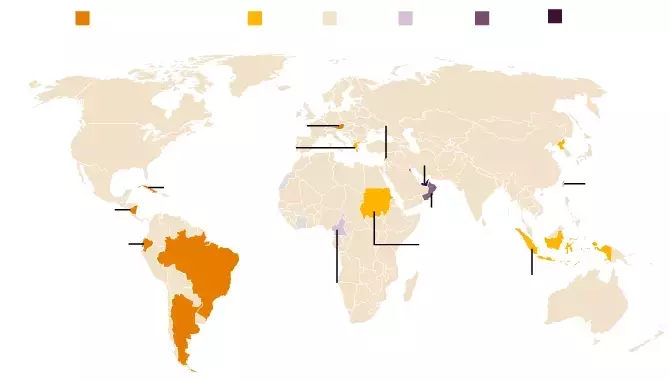
The United Kingdom is poised to add approximately 1.5 million young people to its voter rolls by potentially lowering the national voting age to 16, a move that has drawn both enthusiastic support from liberals and strong opposition from conservatives. This initiative positions Britain alongside a growing cohort of countries that have decided to extend electoral rights to younger citizens. Nations like Brazil, which adopted a 16-year-old voting age in 1988, and later Austria, Argentina, and Malta, have led the way. More recently, Germany and Belgium have permitted 16- and 17-year-olds to cast ballots in specific elections, indicating a broader international trend towards reconsidering the age of electoral eligibility.

Defining Civic Readiness: The Core of the Voting Age Debate

At the heart of the discussion surrounding the voting age lies a fundamental query: At what point do individuals acquire the civic responsibility necessary to participate in democratic processes? Legal frameworks worldwide typically establish minimum ages for various rights and responsibilities, such as military service, alcohol consumption, or holding public office. These age thresholds are often based on the premise of ensuring responsible behavior or sufficient maturity. The right to vote, however, derives its legitimacy from the concept of government by consent. Determining the precise age at which individuals can meaningfully provide this consent remains a complex issue, with experts presenting diverse viewpoints on the matter. The ongoing global dialogue underscores the intricate balance between individual development and the foundational principles of representative governance.

More Articles
News
Unveiling the Week's News: A Presidential Perspective and Pop Culture Highlights
This report delves into recent events, including a notable presidential statement urging supporters to conserve their efforts, alongside a vibrant mix of updates from the entertainment world. Readers will find insights into the latest Emmy Awards, gripping tennis matches, and the captivating realm of reality television. The article also invites audience participation through a unique quiz submission opportunity, fostering an interactive news experience.
By Carl BernsteinJul 18, 2025
News
Comprehensive Reforms Shake Up US Education and Student Aid Landscape
The recently enacted 'One Big Beautiful Bill' introduces sweeping changes across the American education system, impacting K-12 schools, colleges, and students. Key provisions include a new federal school voucher program, significant alterations to federal student loans, modifications to Medicaid affecting school funding, and adjustments to food assistance programs. These reforms, signed into law on July 4, are poised to redefine educational access, funding mechanisms, and financial aid structures nationwide.
By Ann CurryJul 18, 2025
News
The Evolving Landscape of Youth in Politics: Ambition Meets Reality
Younger political candidates are increasingly leveraging themes of generational change and discontent with the established order in their campaigns. While this strategy has propelled some to victory, as seen with Zohran Mamdani's success, others, like Deja Foxx, have faced significant hurdles. This article explores the emerging campaign strategies for younger aspirants and analyzes the mixed outcomes, highlighting the unique challenges and opportunities they encounter in the political arena.
By Katty KayJul 18, 2025
News
Democrats' Path to Revival: Bridging the Divide
Despite facing their weakest position in decades, the Democratic Party sees an unexpected opportunity for resurgence. This article explores the party's current struggles, including declining popularity and demographic shifts, but highlights a potential path forward by capitalizing on public disillusionment with the current administration. Through insights from various Democratic figures, it emphasizes the need for a renewed focus on economic issues and reconnecting with the cultural mainstream to regain public trust.
By Michele NorrisJul 18, 2025
News
Cheltenham High School Grapples with Netanyahu's Hall of Fame Status Amidst Public Debate
A recent suggestion by Benjamin Netanyahu during a Fox News interview has reignited a contentious debate at Cheltenham High School, his alma mater, regarding his and conservative commentator Mark Levin’s inclusion in the school's hall of fame. This discussion, unfolding in a diverse Philadelphia suburb, highlights deeper community divisions over who should be honored by the institution, raising questions about values, legacy, and public recognition within educational settings.
By Ann CurryJul 18, 2025