The Global Craze for Ube: Philippine Farmers Struggle to Meet Demand
Ube, the distinctively purple Philippine yam, has captivated palates worldwide, appearing in trendy bakeries and cafes from New York to Paris and Melbourne. This burgeoning global fascination, however, is stretching the resources of the very farmers who cultivate it. While the Philippines proudly stands as the leading producer, harvesting over 14,000 tons of ube annually, the relentless international demand is creating significant challenges for the farming communities striving to supply this beloved ingredient. The narrative unfolds as a testament to the unforeseen impact of culinary trends on traditional agriculture.
Global Ube Demand Strains Philippine Farmers
In Sunnyside, Queens, New York, eager customers form lines outside local bakeries, all clamoring for a brioche doughnut boasting a shimmering purple glaze. Across the Atlantic, in the sophisticated cafes of Paris, patrons savor purple-hued lattes, noted for their delicate, nutty aroma. Meanwhile, down under in Melbourne, Australia, hot cross buns are infused with a gentle sweetness and a distinctive purple tint. The common thread weaving through these international culinary delights is ube, the cherished Philippine purple yam, an ingredient now experiencing an unprecedented surge in global popularity.
This escalating international demand for ube is placing considerable strain on the dedicated farmers responsible for its cultivation. The Philippines, recognized as the world's foremost producer, harvests in excess of 14,000 tons of this vibrant root crop each year. Yet, the rapid expansion of its culinary footprint across continents is testing the limits of local production capabilities.
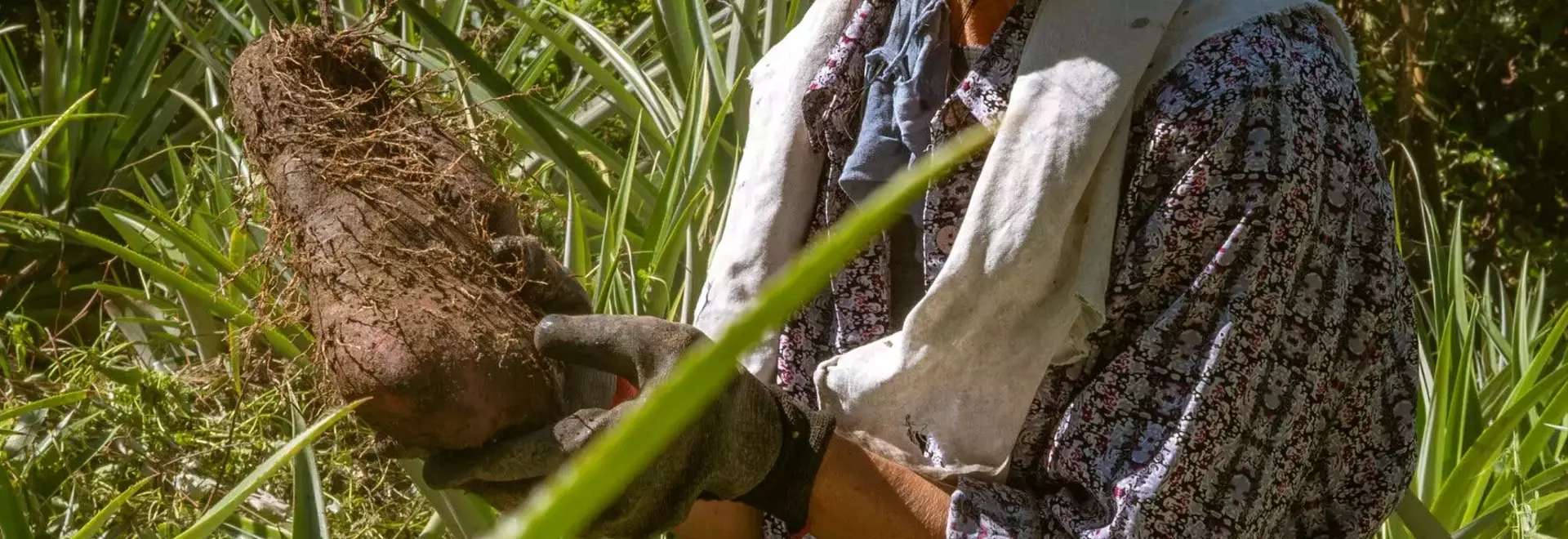
A vivid illustration of this challenge comes from Benguet Province, a mountainous region in the Philippines, in November. Teresita Emilio, a 62-year-old farmer, meticulously scanned the earth amidst the trees, her eyes searching for a nearly imperceptible ube stump. With careful precision, she utilized a metal rod to loosen the soil around it, subsequently employing her gloved hands to navigate the narrow excavation. "I must proceed with caution; I wouldn't want to damage it," Ms. Emilio explained as she gently extracted what resembled a stout, tree-like branch the size of a newborn. At its base, where the root met the stem, a striking purple hue was visible—raw ube.
Reflecting on her yield, Ms. Emilio remarked, "It's not a substantial amount," underscoring the difficulties faced by farmers in meeting the burgeoning demand despite their painstaking efforts. This situation highlights a critical juncture for Philippine agriculture, as it grapples with balancing traditional farming practices against the pressures of an ever-expanding global market.
The burgeoning global appetite for ube presents a fascinating paradox for the Philippines. While it shines a spotlight on a cherished local ingredient and offers potential economic opportunities, it also underscores the need for sustainable farming practices and perhaps even investment in agricultural infrastructure to support the increased demand. As consumers worldwide continue to embrace the unique flavor and vibrant color of ube, the challenge lies in empowering the Filipino farmers at the heart of its cultivation to thrive amidst this newfound global attention.
