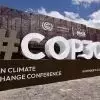
Global Climate Talks Underway: The Long Road to Emission Reduction
The global community has once again convened for crucial climate discussions at the COP30 summit in Brazil. These talks begin amidst stark reminders of the insufficient progress made in tackling climate change, with nations still falling short of their commitments to reduce greenhouse gas emissions. A recent United Nations report underscores this persistent gap, revealing that despite minor improvements in long-term warming projections, the planet is still on a trajectory for a significant temperature increase by the century's end, threatening severe and irreversible environmental consequences.
The COP30 negotiations aim to assess the current state of global climate action and strategize for future efforts. However, the path forward is fraught with challenges, particularly given the recent stance of the United States. The current US administration has disengaged from the landmark Paris Agreement, an accord instrumental in setting global warming limits, and has actively pursued policies that favor fossil fuels over renewable energy. This shift by a major economy complicates international efforts to meet ambitious emission reduction targets and adds pressure on other nations to redouble their commitments.
Scientific consensus overwhelmingly indicates that surpassing a 1.5 degrees Celsius warming threshold will lead to dramatically more destructive climate impacts. This includes an increase in extreme weather events such as intense rainfall, more powerful hurricanes, and deadlier heatwaves, along with irreparable damage to vulnerable ecosystems like coral reefs. The United Nations Environment Programme projects that the world is likely to reach this critical temperature increase within the next decade, necessitating an urgent and substantial reduction in emissions by 2035 to prevent further escalation.
Despite the discouraging global outlook, there are pockets of progress. In the United States, for instance, emissions from fossil fuel combustion have shown a recent decline, largely due to the retirement of coal power plants and the expansion of solar and wind energy infrastructure. Globally, the renewable energy sector is experiencing rapid growth, with China emerging as a leader in both production and manufacturing of clean energy technologies. The economic viability of renewable energy projects, which are increasingly becoming cheaper than new fossil fuel installations, offers a glimmer of hope. Nevertheless, experts warn that without stronger governmental policies and accelerated actions to curb fossil fuel dependence, these gains may not be sufficient to avert the most catastrophic effects of climate change.
The ongoing climate negotiations highlight a critical juncture for international cooperation. While the transition to clean energy is underway, the pace of change remains inadequate to meet the urgent demands of climate science. The withdrawal of major players and the persistence of fossil fuel interests underscore the complex political and economic hurdles that must be overcome. Ultimately, the success of COP30 and future climate summits will hinge on the collective will of nations to translate scientific warnings into concrete, accelerated action, steering the planet towards a more sustainable and resilient future.
