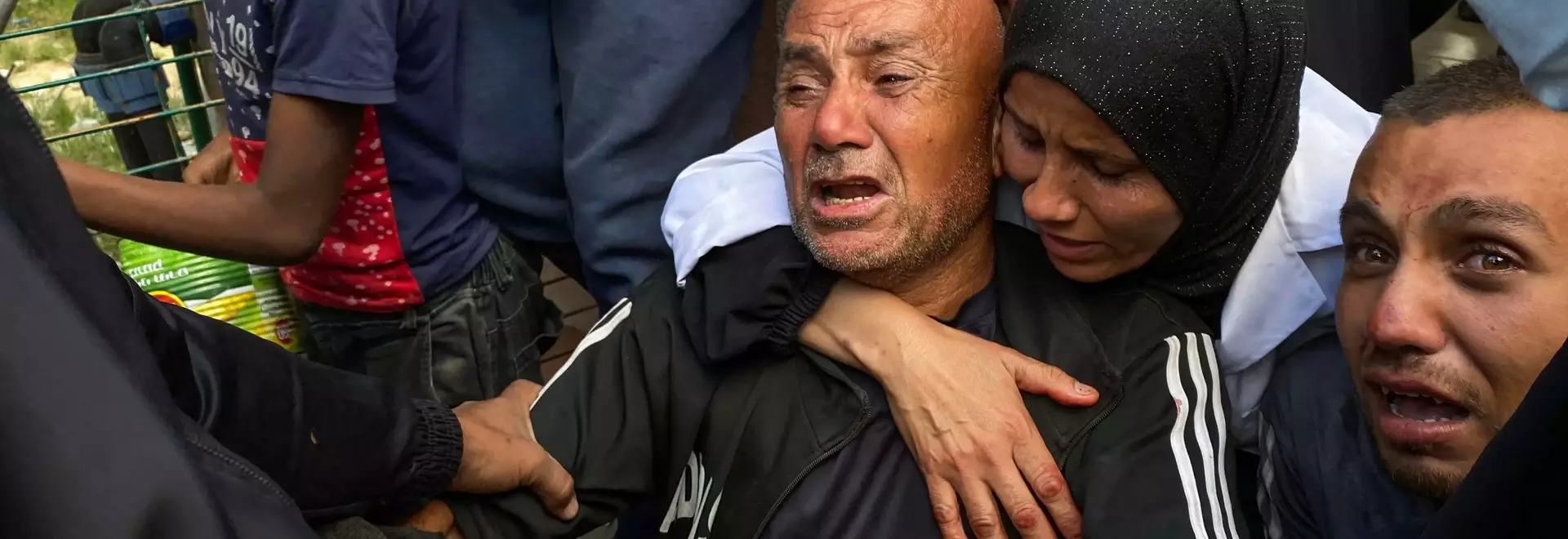
Gaza Faces Widespread Famine as Aid Restrictions Intensify
Gaza is currently grappling with a severe and rapidly escalating famine, as confirmed by a United Nations-backed food security assessment. This dire situation is a direct consequence of prolonged and stringent restrictions on humanitarian aid entering the territory. Reports indicate that widespread hunger, malnutrition, and disease are contributing to a rising death toll among the population. Despite recent attempts to alleviate the crisis, critics argue that the measures implemented are far from adequate to address the urgent needs of the civilian population.
The unfolding humanitarian catastrophe is largely attributed to Israel's decision to halt food supplies and its subsequent alterations to aid distribution channels. These changes have made it exceedingly difficult and perilous for desperate residents to access essential provisions, forcing many to risk their lives in the pursuit of food. The international community, including the United Nations, continues to highlight the immense challenges in coordinating and delivering aid safely amidst ongoing hostilities and complex logistical barriers.
The Escalating Humanitarian Catastrophe in Gaza
Gaza is facing an unprecedented humanitarian crisis, with a UN-backed food security group confirming widespread famine across the territory. This catastrophic situation stems from months of severe restrictions on aid, which have led to a dramatic increase in starvation, malnutrition, and disease-related deaths. The crisis intensified significantly after Israel imposed a complete blockade on food supplies in early March, drastically worsening an already precarious situation that began nearly two years ago when aid was initially restricted. The Palestinian health ministry has reported a distressing rise in fatalities due to famine and malnutrition, underscoring the critical need for immediate and effective humanitarian intervention.
The severity of the food shortage in Gaza is largely a result of Israel's aid policies, which included a ban on food imports from March to May, and a subsequent overhaul of the distribution system. Previously, the UN managed hundreds of aid distribution points near residential areas, ensuring accessible food for many. However, the new system, implemented since late May, primarily relies on private contractors operating from a limited number of sites. These sites are often located miles away, in areas under Israeli military control, forcing Palestinians to undertake perilous journeys through active conflict zones to obtain food. This hazardous endeavor has tragically resulted in numerous fatalities, as individuals seeking aid have been subjected to gunfire, transforming the daily quest for survival into a life-threatening ordeal. Compounding the issue, the exorbitant prices of food in the few available shops make sustenance unaffordable for the majority of the unemployed populace, leaving them with an agonizing choice between starvation and facing deadly risks to reach aid.
Challenges in Aid Delivery and Distribution
The current aid distribution methods in Gaza are fraught with challenges, making it exceptionally difficult for humanitarian organizations to effectively reach those in need. The shift from UN-managed distribution to a system reliant on private contractors has significantly exacerbated the crisis. Palestinians are compelled to travel extensive distances, often at night and through highly dangerous zones, to access aid sites. This chaotic movement has led to tragic incidents, including scuffles and accidental deviations from designated paths, prompting Israeli soldiers to open fire on crowds, resulting in hundreds of civilian casualties. Despite Israel's claims of firing only "warning shots," medical reports indicate that injuries are consistently located in the torso, suggesting deliberate targeting.
The newly established Gaza Humanitarian Foundation, a key player in the revised aid strategy, has faced considerable scrutiny for its operational model. Conceived by Israeli officials and businessmen and now managed by American personnel, this foundation aims to bypass traditional UN aid channels. Critics argue that its "militarized model" and close collaboration with Israeli authorities violate core humanitarian principles of neutrality and impartiality. Although Israel has recently eased some restrictions, allowing UN convoys into certain areas and reintroducing airborne aid, the effectiveness of these measures remains questionable. UN officials continue to report significant logistical hurdles, including prolonged delays at border crossings and the rampant lawlessness within Gaza, which often results in aid trucks being looted by desperate crowds, further complicating delivery efforts and endangering those seeking assistance.
