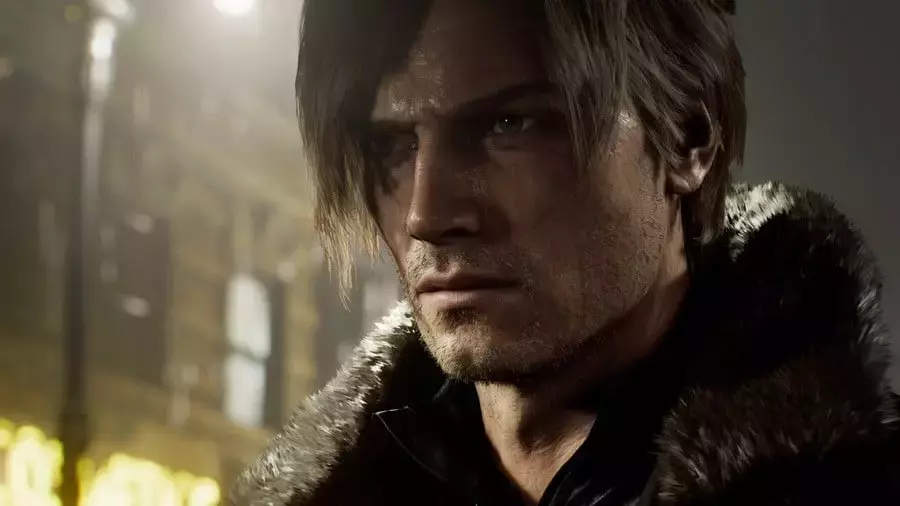
Game Creator Suggests Accessibility Features for Horror Games
Hideki Kamiya, the visionary director recognized for his groundbreaking work on "Resident Evil 2," has candidly expressed his personal aversion to fright-inducing content, even as he shaped one of the most iconic survival horror experiences. He challenges Capcom, the publisher of the "Resident Evil" franchise, on what he perceives as a lack of understanding regarding the intense fear its games evoke. Kamiya recounts his inability to fully immerse himself in recent series installments, such as "Resident Evil Requiem," despite his professional connection and interest, due to their overwhelming horror elements. He passionately advocates for the inclusion of features that would reduce the scare factor, making these games more approachable for players like himself.
Kamiya's suggestions extend to practical modifications for future "Resident Evil" titles, aiming to introduce a more player-friendly experience. He envisions modes that could humorously alter the appearance of adversaries, perhaps by adorning zombies with 'brown paper bags' over their heads, or transforming sinister, dimly lit environments into spaces with 'pleasant mood lighting.' These proposed changes, he argues, are essentially accessibility features designed to broaden the audience for the "Resident Evil" universe, allowing a wider range of players to engage with its narratives without being deterred by intense fear. This concept resonates with the 'Naïve Angel Mode' found in "Bayonetta," which offers an option to tone down explicit content, thus catering to diverse player preferences while preserving the core essence of the game for those who seek the unadulterated horror.
The Director's Dilemma: Crafting Horror While Shying Away from Scares
Hideki Kamiya, the mastermind behind the acclaimed "Resident Evil 2," has openly shared his personal discomfort with horror, despite his pivotal role in creating one of the most celebrated survival horror games. He has critiqued Capcom's apparent obliviousness to the terrifying nature of its flagship "Resident Evil" franchise. Kamiya expressed his desire to engage with recent titles like "Resident Evil Requiem" and revisit the R.P.D. setting, yet finds himself unable to do so due to the overwhelming fear they induce. He suggests that Capcom should acknowledge the intensity of their creations and consider implementing features that would make the games more accessible to a broader audience, including those who, like him, are easily frightened.
Kamiya advocates for optional game modes that would temper the horror elements of "Resident Evil." He proposes lighthearted alterations, such as outfitting zombies with "brown paper bags on their heads" or transforming dark, oppressive settings into areas with "pleasant mood lighting." These suggestions are presented not as a dilution of the series' core identity, but as accessibility enhancements, akin to "Bayonetta's" 'Naïve Angel Mode,' which allows players to adjust the level of explicit content. Such features would enable more individuals to experience the rich storytelling and gameplay of "Resident Evil" without being deterred by its inherent scares, ensuring that the horror and gore remain intact for those who desire the full survival horror thrill, while offering a gentler alternative for others.
Innovating Accessibility: Balancing Fear with Inclusivity in Gaming
The esteemed game director, Hideki Kamiya, despite his iconic contribution to the horror genre with "Resident Evil 2," has revealed a surprising personal aversion to scary content. He has voiced concerns about Capcom's perceived lack of understanding regarding the profound fear generated by their own "Resident Evil" series. Kamiya articulated his predicament, explaining that even with a strong professional interest in titles like "Resident Evil Requiem," the games are too frightening for him to play. This personal experience has led him to advocate for a 'non-horror mode' within the franchise, emphasizing that such an option would significantly enhance accessibility for players who appreciate the narrative and gameplay but are sensitive to intense frights.
Kamiya's vision for a more inclusive "Resident Evil" experience includes creative modifications that would lessen the game's fright factor without compromising its integrity. He playfully suggested scenarios like having zombies wear "brown paper bags on their heads" or replacing the eerie darkness of game environments with "really pleasant mood lighting." These proposals draw a parallel to the 'Naïve Angel Mode' introduced in "Bayonetta," which provides options to tone down explicit visuals. Kamiya believes that offering such choices would not detract from the original horror experience, but rather extend the game's reach, allowing players who might otherwise avoid the series due to its scare content to engage with its world and story. This approach aims to strike a balance between maintaining the series' identity as a premier horror franchise and embracing broader player accessibility.
