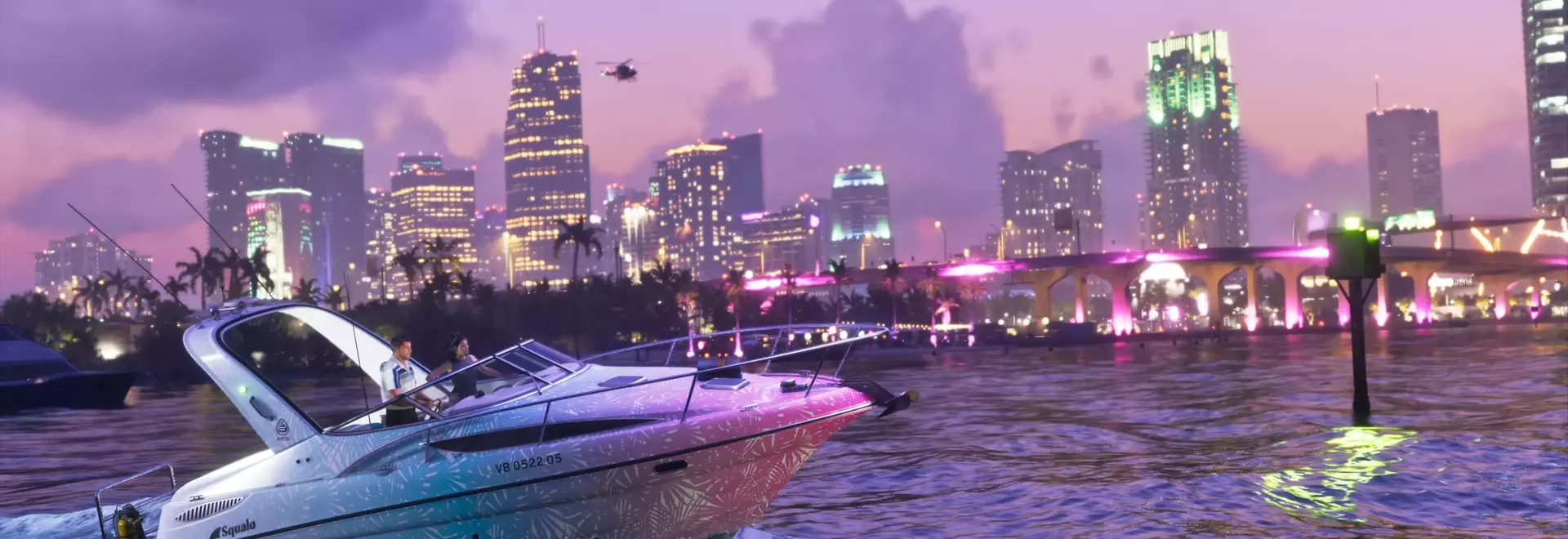
The Future of GTA Online: Speculations and Player Expectations for Grand Theft Auto 6 Multiplayer
As Rockstar Games prepares for the anticipated launch of Grand Theft Auto 6, the gaming community is rife with speculation regarding the evolution of its online component. While the initial release focuses on a single-player narrative, the inevitable arrival of a new multiplayer experience, dubbed "GTA Online 2.0," is a hot topic among fans and industry observers alike. This upcoming iteration faces the challenge of building upon a decade of success, adapting to contemporary gaming trends, and satisfying a diverse player base accustomed to a rich, evolving virtual world. The transition from console-first launches to a later PC release also highlights a unique dynamic for the franchise's dedicated computer audience.
The extensive lifespan and continuous growth of the current GTA Online have set a high bar. What began as a mere offshoot of the single-player game has transformed into a comprehensive platform for various subcultures, from elaborate role-playing scenarios to creative machinima projects and organized in-game events. This evolution suggests that GTA Online 2.0 will need to transcend traditional multiplayer models, potentially integrating advanced user-generated content capabilities and a robust creator economy. The acquisition of Cfx.re by Rockstar, along with internal project discussions, points towards a future where player creativity and community contributions could play a central role, pushing the boundaries of what a Grand Theft Auto experience can be.
The Evolving Landscape of Player Creation
The potential for user-generated content (UGC) within GTA Online 2.0 represents a significant shift for Rockstar. Drawing parallels with platforms like Minecraft, Fortnite, and Roblox, there is a growing expectation for players to not only engage with pre-built content but also to actively shape their own virtual worlds and experiences. This move towards a creator-led ecosystem, possibly influenced by "Project Rome"—the rumored codename for Rockstar's UGC initiatives—could democratize content creation within the game, allowing a wider array of player-made missions, events, and even persistent game modes. Such a shift would acknowledge the enduring popularity of community-driven experiences, as seen with the success of FiveM, which has showcased the vast creative potential residing within the player base outside of Rockstar's official offerings.
While the prospect of extensive UGC tools is exciting, it also raises numerous questions about moderation, monetization, and ownership. For GTA Online 2.0 to truly thrive as a platform, Rockstar must address how content will be curated, how creators can profit from their endeavors, and what level of control players will have over their custom-made maps and experiences. The balance between fostering creativity and maintaining the core identity of Grand Theft Auto will be crucial. Furthermore, the integration of such a system could significantly impact the game's longevity and appeal, potentially fostering a dynamic environment where the content continuously refreshes and expands through community efforts, moving beyond traditional updates.
Addressing the Unknowns: Rockstar's Vision for Multiplayer
With minimal official details released regarding GTA 6's multiplayer component, the community is left to ponder Rockstar's strategic vision. The success of the original GTA Online as an interactive platform, hosting everything from Dr. Dre updates to vibrant nightclub circuits and intricate role-playing scenes, illustrates its capacity for sustained evolution. The challenge for GTA Online 2.0 lies in advancing this legacy while navigating a gaming market increasingly dominated by established live-service platforms and rich user-generated content ecosystems. Rockstar's approach could involve formalizing a creator economy, introducing a discovery system for community-made content, and hosting large-scale branded events similar to those seen in other popular online games.
A critical consideration is how GTA Online 2.0 will connect, or diverge, from its predecessor. Will there be a seamless transition, or a clear break, akin to how some developers manage sequels to their online titles? Players are eager for larger-scale heists, potentially accommodating more participants, and deeper integration of role-playing elements, especially for the PC community. The delay between the console and PC releases of GTA 6 offers Rockstar a unique window to refine its multiplayer strategy for PC players, taking into account their preferences and the platform's specific capabilities. Ultimately, the development team faces immense pressure to deliver a multiplayer experience that not only meets but exceeds the lofty expectations set by its highly successful predecessor, ensuring its relevance and innovation in a competitive landscape.
