From Unrivaled Durability to Deteriorating Reliability: Volvo's Evolving Journey
Volvo's Reliability: A Journey from Pinnacle to Peril
A Legacy of Endurance: Volvo's Golden Era of Simplicity and Strength
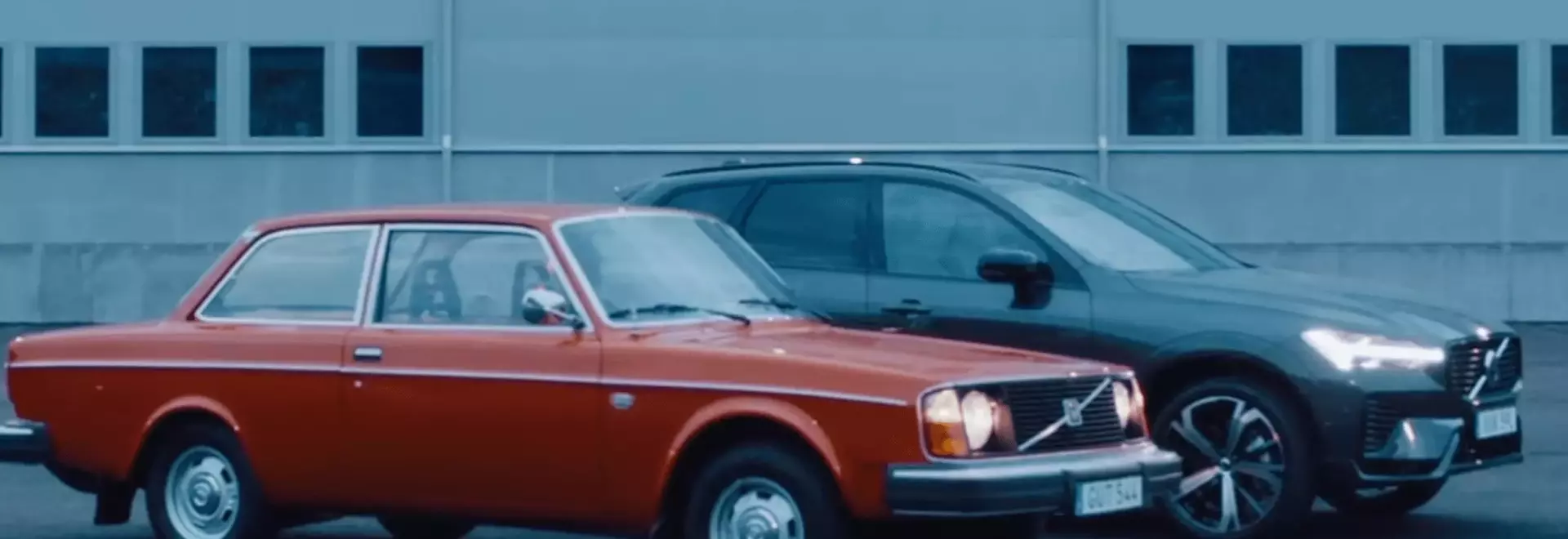
In the 1970s and 80s, Volvo forged an enviable reputation by crafting vehicles synonymous with resilience and straightforward design. Models like the iconic 240 epitomized an engineering philosophy centered on durability and ease of maintenance, contrasting sharply with the burgeoning trend of complex electronics embraced by competitors. This steadfast approach to traditional mechanical integrity served Volvo exceptionally well for decades, cementing its status as a benchmark for dependable motoring.
The Downward Trend: Unpacking Volvo's Reliability Decline in the Modern Era
Fast forward to 2026, and the landscape has dramatically shifted. Volvo now finds itself among the lowest-ranked brands in the JD Power US Vehicle Dependability Study. Owners report a staggering 296 issues per 100 vehicles, significantly exceeding the industry average of 204. This stark decline is largely attributed to the brand's enthusiastic embrace of a technology-centric strategy, marking a clear departure from its foundational principles of mechanical simplicity.
The Geely Era and the Rise of the Scalable Product Architecture (SPA)
Following Geely's acquisition of Volvo from Ford in 2010, a new era dawned with ambitious plans. A massive $11 billion investment led to the development of the Scalable Product Architecture (SPA), which debuted with the 2016 XC90. This platform was designed to integrate cutting-edge connected car technologies, pioneering safety features, and sophisticated interior designs across Volvo's entire range. The vision was to transform Volvo into a luxury brand defined by technological innovation, featuring minimalist cabins dominated by large touchscreens. While visually striking, the practical implementation of this vision proved challenging.
Software Woes and Their Impact on Vehicle Dependability
The early SPA-based vehicles, particularly the XC90, were plagued by engine and hybrid system glitches. However, the most significant issues stemmed from software malfunctions, leading to infotainment systems freezing, unexpected reboots, and even complete failures before delivery. The transition to Android Automotive failed to resolve these issues, instead introducing new vulnerabilities. By 2019, Volvo's standing in JD Power's reliability studies had plummeted, placing it near the bottom, a position from which it has struggled to recover.
A Widespread Industry Challenge: Technology's Double-Edged Sword for Reliability
The challenges faced by Volvo are not isolated. JD Power's research indicates a concerning industry-wide trend of declining vehicle reliability, with infotainment systems frequently identified as a major source of problems. Even historically reliable brands like Toyota have felt the impact of this technological shift. Conversely, brands such as Subaru, which adopted a more cautious approach by prioritizing proven components, have seen their reliability rankings improve, demonstrating the enduring value of conservative engineering in an increasingly tech-driven market.
The Evolution of Brand Identity: From Practicality to Premium Lifestyle
Volvo has consciously moved away from marketing itself as a purveyor of "durable goods" and towards a luxury lifestyle brand, similar to its German counterparts. This shift emphasizes advanced technology and elegant design to justify higher price points. While this rebranding strategy has yielded commercial success and garnered design accolades, especially under Geely's ownership, reliability ratings reveal a different story once the initial allure of a new vehicle fades. The focus on software-driven features has proven problematic, prompting Volvo to re-evaluate its approach with its next generation of electric vehicles. The core dilemma for Volvo remains: how to reconcile its rich heritage of robust dependability with its new identity as a technology-forward luxury brand. The reliability and longevity once synonymous with Volvo, famously exemplified by the 240 model, have been significantly eroded by a decade of integrating complex touchscreen technologies.
