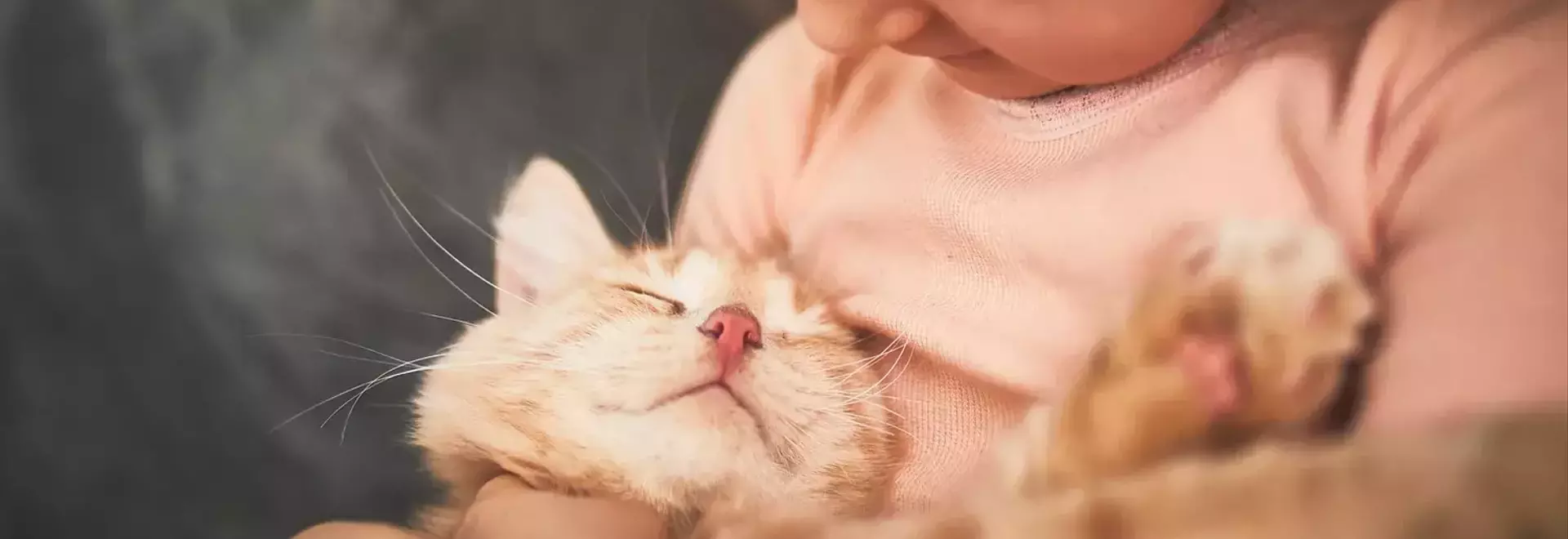
From Feline Focus to Family Harmony: A Parent's Journey with Pets and Child
This narrative explores the complex transition of a household from being exclusively pet-centric to one embracing both furry companions and a new child. It highlights the initial disruptions, the challenges encountered during the early years of the child's life, and the eventual forging of a unique bond between the child and one of the family's cats. The story serves as a testament to the power of patience and understanding in fostering harmonious relationships between different family members, human and animal alike, emphasizing the profound joy that can emerge from these carefully nurtured connections.
The Evolving Dynamics of a Family Home: A Daughter's Arrival and a Feline Friendship Forged
In 2021, a significant shift occurred in a Jersey Shore household, previously dedicated solely to its three feline residents: Mugs, a tabby, and two tuxedo cats, Rosie and Nancy. Their lives revolved around these beloved pets, who even joined them for summer beach retreats. However, the arrival of their daughter, Alma, transformed this serene existence. The once-undivided attention of the parents now had to be shared with a new, energetic human. This change initially caused distress among the cats, who viewed the baby as an unwelcome intruder competing for affection. They observed Alma with cautious curiosity, perching on furniture to peer into her bassinet, seemingly bewildered by the new creature in their domain. The once-constant cuddles and lap-sitting ceased, replaced by a sense of betrayal and aggravation from the felines, who retreated to secluded areas of the house. As Alma entered her toddler years and began to crawl, the smaller tuxedo cats became even more wary, avoiding her playful, albeit sometimes clumsy, advances. Yet, Mugs, the eldest cat, adopted a different approach, cautiously engaging with the spirited toddler. The early interactions were fraught with tension; Alma's unbridled curiosity often led to her tugging Mugs' tail and ears. Despite gentle interventions from the parents, Mugs retaliated with scratches, leading to moments of frustration and concern. However, these incidents, though distressing, served as crucial learning experiences for Alma, teaching her the importance of boundaries and gentle interaction. Over time, as Alma matured, her approach to the cats changed. She learned the value of patience and kindness, understanding that affection from her feline friends needed to be earned. This newfound respect led to a remarkable transformation in their relationship. The once-strained dynamic blossomed into a tender bond, particularly between Alma and Mugs. Mugs, who had once been solely the narrator's cherished companion, now became Alma's devoted confidante, offering comfort during tears, sharing her bedroom, and greeting her each morning. This profound connection brought immense joy and relief to the parents, reaffirming their belief in teaching children to respect all living beings and highlighting the unexpected beauty of a friendship that developed organically and at its own pace.
This touching account offers a profound reflection on the intricate tapestry of family life, underscoring that love and connection aren't limited to human bonds. It reminds us that welcoming new members, whether human or animal, into a household requires patience, understanding, and a willingness to adapt. The journey of Alma and Mugs vividly illustrates that true affection often blossoms when given space to evolve naturally, devoid of forced interactions. It's a powerful lesson in fostering empathy and respect for all creatures, highlighting how these values, instilled in childhood, can lead to deeply rewarding and unexpected friendships. This story serves as a beautiful testament to the unique and often surprising ways in which a family's heart can expand.
