France's Summer of Debate: Air Conditioning and Climate Change
News

France's Summer of Debate: Air Conditioning and Climate Change

authorBy Christianne Amanpour
DateAug 12, 2025
Read Time2 min

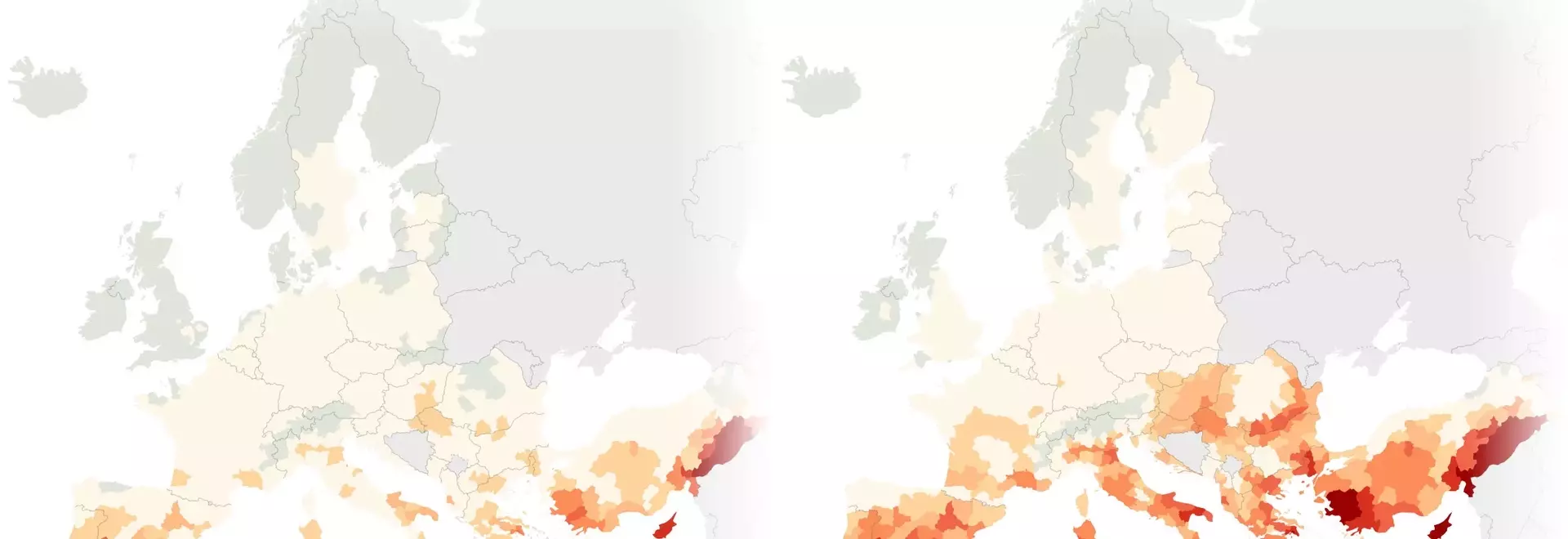
France is currently experiencing a significant societal discussion regarding the role of air conditioning, particularly in response to intensifying summer heatwaves. This debate has unexpectedly become a political hot potato, with prominent figures like Marine Le Pen advocating for widespread air conditioning installation as a public health imperative, citing its benefits for productivity and hospital capacity during extreme heat. Conversely, Green party leader Marine Tondelier and environmental proponents argue against it, labeling it an ecological detriment that aggravates global warming by expelling hot air and consuming excessive energy. This ideological clash underscores a broader European challenge: adapting to a rapidly changing climate while balancing energy consumption and environmental responsibility.

Historically, air conditioning was not a common feature in European homes, where the focus was traditionally on heating. However, meteorological data from Copernicus reveals a dramatic shift, with Europe now experiencing significantly longer and more intense periods of high temperatures compared to four decades ago. This escalating heat has transformed air conditioning from a perceived American luxury into a growing necessity for survival and comfort across the continent. Despite this, adoption rates remain low compared to the U.S., partly due to higher energy costs and the architectural complexities of integrating modern cooling systems into older European buildings. The evolving climate reality is forcing a reevaluation of cooling strategies, moving beyond traditional passive measures.

While the immediate political fervor surrounding air conditioning may ebb and flow with the seasons, the underlying issue of climate adaptation in Europe is here to stay. There is a general consensus that certain public and vulnerable spaces, such as hospitals and schools, require effective cooling solutions. Yet, the broader philosophical divide persists: whether to primarily address climate change at its roots through energy efficiency and 'greening' initiatives, or to mitigate its immediate impacts through technologies like air conditioning. This complex discussion highlights the urgent need for a balanced approach that combines adaptive measures with sustainable long-term solutions, ensuring public well-being without compromising environmental goals.

As Europe confronts increasingly severe summers, the debate over air conditioning serves as a microcosm of the larger global challenge of climate adaptation. It compels societies to reflect on their values, technological reliance, and environmental stewardship. Ultimately, navigating these warming trends requires innovative, pragmatic, and ethically sound solutions that prioritize both human welfare and the planet's health, fostering resilience in the face of an uncertain climate future.

More Articles
News
A Digital Farewell: AOL's Dial-Up Service Reaches Its End
The iconic sounds of AOL's dial-up internet, a hallmark of 1990s internet access, are soon to be silenced. AOL has announced the discontinuation of its dial-up service, effective September 30. This marks the end of an era for a technology that once bridged the digital divide, offering internet connectivity via phone lines before broadband became prevalent. Despite its revolutionary role, dial-up has largely been superseded, with only a tiny fraction of households still relying on it.
By Katty KayAug 12, 2025
News
The Struggle for Humanitarian Aid in Gaza
This report sheds light on the immense challenges faced by humanitarian organizations in delivering essential aid to Gaza. Arwa Damon, representing the International Network for Aid, Relief and Assistance (INARA), details how critical supplies like insulin needles, sleeping bags, and even Nutella are being rejected. The piece explores the economic complexities of operating a humanitarian non-profit in such a volatile region and investigates the obstacles preventing more assistance from reaching those in dire need, highlighting a persistent crisis.
By Michele NorrisAug 12, 2025
News
Gene Editing: Reshaping Human Future
The field of gene editing, particularly concerning its application in human reproduction, is undergoing a significant resurgence. Following the controversial 2018 announcement by Chinese scientist He Jiankui regarding the birth of the first gene-edited babies, which sparked widespread ethical debate due to the nascent state of CRISPR technology, new advancements are emerging. Companies are now actively pursuing the development of gene-editing techniques, pushing the boundaries of what is scientifically and ethically possible in this rapidly evolving area of biotechnology.
By Michele NorrisAug 12, 2025
News
Samosas Under Scrutiny: India's Beloved Snack Sparks Health Debate
A recent government advisory in India has ignited a passionate debate about the health implications of beloved street foods, particularly the ubiquitous samosa. The directive, which suggested moderation for high-oil and high-sugar snacks, was met with public outcry and media scrutiny, highlighting the deep cultural connection Indians have with their traditional culinary delights.
By Ann CurryAug 12, 2025
News
Remembering Sheila Jordan: A Jazz Icon's Enduring Legacy
Sheila Jordan, a groundbreaking figure in the jazz world, has passed away at 96. Known for her distinctive vocal style and influential debut album, 'Portrait of Sheila,' she overcame significant personal and professional hurdles. Her career spanned decades, culminating in recognition as a Jazz Master by the National Endowment for the Arts. Jordan's dedication to music and education left an indelible mark on the genre.
By Anderson CooperAug 11, 2025