Food Insecurity Continues for Indigenous Americans Despite Aid Restoration
Navigating Hunger: The Unseen Struggles of Indigenous Americans Amidst Food Aid Shifts
A Glimpse into the Flathead Reservation's Daily Reality
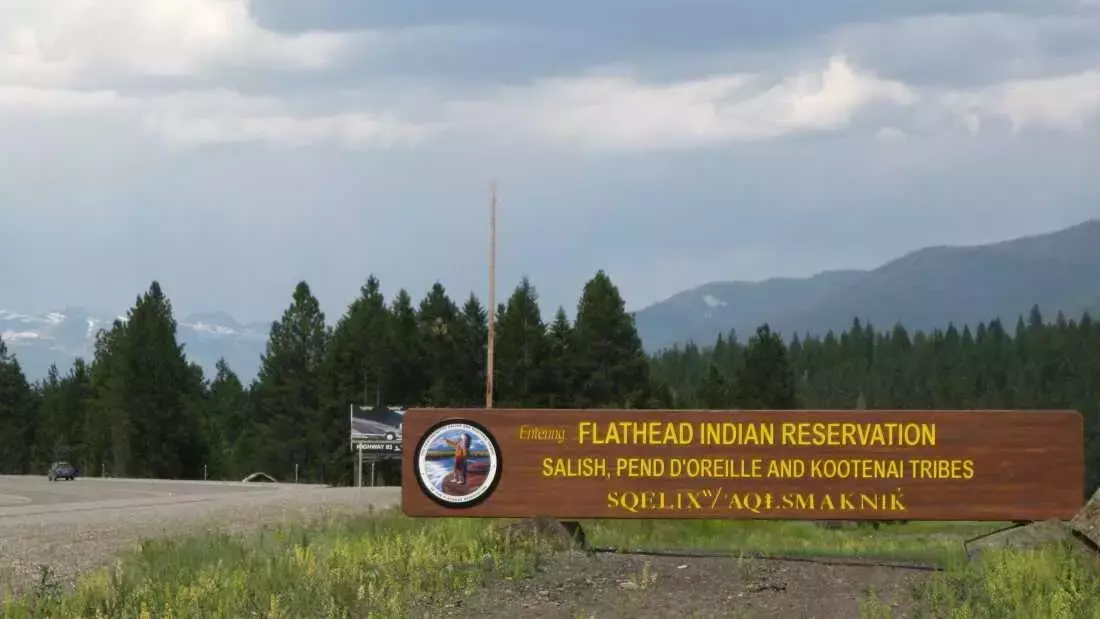
In the picturesque, snow-dusted terrain surrounding northwest Montana's Flathead Reservation, the changing seasons bring a stark reminder of ongoing challenges. Mary Lefthand's journey to a local warehouse in St. Ignatius for provisions from the Confederated Salish and Kootenai Tribes' commodity program exemplifies the reliance on essential food aid. This program, a lifeline for many, remained operational during federal government shutdowns, unlike other critical assistance programs.
The SNAP Dilemma: Choosing Between Autonomy and Stability
Unlike the tribal commodity program, the Supplemental Nutrition Assistance Program (SNAP) faced a precarious future during the government shutdown. Mary Lefthand, like millions of others, faced uncertainty regarding her November benefits. While she prefers SNAP for the flexibility it offers in choosing groceries, the potential disruption led her to switch to the tribal commodity program. With three growing grandchildren to feed, the stability of the commodity program became paramount, even if it meant sacrificing choice.
The Widespread Impact of Food Aid Interruptions on Native Communities
The anxiety experienced by individuals like Mary Lefthand underscores a larger crisis: the disproportionate impact of food aid disruptions on Indigenous American communities. Valarie Blue Bird Jernigan, a professor at Oklahoma State University, emphasizes that over 60% of Native people depend solely on these food sources. Research further reveals that 46% of Indigenous Americans experience food insecurity annually, a figure significantly higher than the national average of 10%. This vulnerability makes any interruption to programs like SNAP particularly devastating.
Tribal Initiatives: A Vital, Yet Burdened, Safety Net
During the federal shutdown, tribal commodity programs served as a crucial, albeit partial, buffer against widespread hunger. However, tribal members typically must choose between enrolling in a commodity program or SNAP, not both. Nicholas White, who manages the Salish and Kootenai Tribes' Commodity Program, noted a significant increase in applications during the uncertainty, demonstrating the immediate need and the program's role as a last resort. Tribes without such programs were forced to implement emergency measures, such as the Blackfeet Nation slaughtering buffalo from its herd, a decision that could impede long-term herd growth and food sovereignty efforts.
The Unseen Costs: Financial Aftershocks and Long-Term Implications
Beyond immediate hunger, the disruption of food assistance programs like SNAP carries profound and lasting financial repercussions for Native families. Yadira Rivera, director at the First Nations Development Institute, highlights that tribes and nonprofits incurred unreimbursed costs while trying to fill the gap, potentially creating future financial strain. Families, in their desperation to feed themselves, might forgo rent or other essential payments, leading to a cascade of financial instability. Studies and experts like Georgetown Law Professor David Super confirm that losing food aid can result in evictions or force impossible choices between medication and sustenance, trapping vulnerable populations in a cycle of hardship.
Overcoming Bureaucratic Hurdles for Continued Support
Despite the eventual restoration of full funding for SNAP, the journey back to stability for individuals like Mary Lefthand is not straightforward. Her gratitude for the tribal commodity program, which prevented her from falling behind on bills, is clear. However, she faces a bureaucratic obstacle: to re-enroll in SNAP, she must first leave the tribal commodity program for at least a month. This administrative hurdle exemplifies the systemic barriers that can complicate access to vital assistance, further prolonging the struggle against food insecurity for many Indigenous Americans.
