Fishy Feelings: Uncovering Pleasure in Underwater Worlds
New research challenges the conventional view that fish are simple, unfeeling creatures, proposing instead that they possess the capacity for pleasure. This paradigm-shifting study, published in the esteemed journal Proceedings of the Royal Society B, offers compelling evidence that certain fish species not only experience positive sensations but actively pursue them. The findings compel a reevaluation of how these aquatic inhabitants are treated, particularly within managed environments like aquariums and aquaculture, advocating for practices that foster richer, more positive experiences in their lives. This groundbreaking work significantly expands our understanding of animal consciousness, highlighting that the spectrum of emotions, including pleasure and desire, extends far beyond mammals and may be a deeply ancient evolutionary trait.
Delving into the Depths: A Scientific Exploration of Fish Emotions
In a compelling scientific endeavor, researchers Caio Maximino, a neuroscientist at Brazil's Federal University of the South and Southeast Pará, and Marta Soares, a behavioral physiologist from the University of Porto in Portugal, spearheaded an investigation into the emotional depths of fish. Their inquiry sought to determine if fish, beyond exhibiting negative states like fear and pain, could also experience positive sensations such as pleasure. The focus of their study centered on two captivating coral reef species: the bluestreak cleaner wrasse and the threadfin butterflyfish.
The bluestreak cleaner wrasse, a small, vibrant fish adorned with silvery-blue hues and a distinct jet-black stripe, is renowned for its symbiotic relationship with other marine life. These diligent creatures meticulously remove parasitic organisms from the bodies of other fish, including larger predators that, under different circumstances, might consume them. This cooperative cleaning behavior, as Maximino describes, serves as a remarkable model of interspecies harmony within the marine ecosystem. The cleaner wrasse tirelessly performs its cleansing duties from dawn till dusk, attracting a diverse array of client species to its designated cleaning stations.
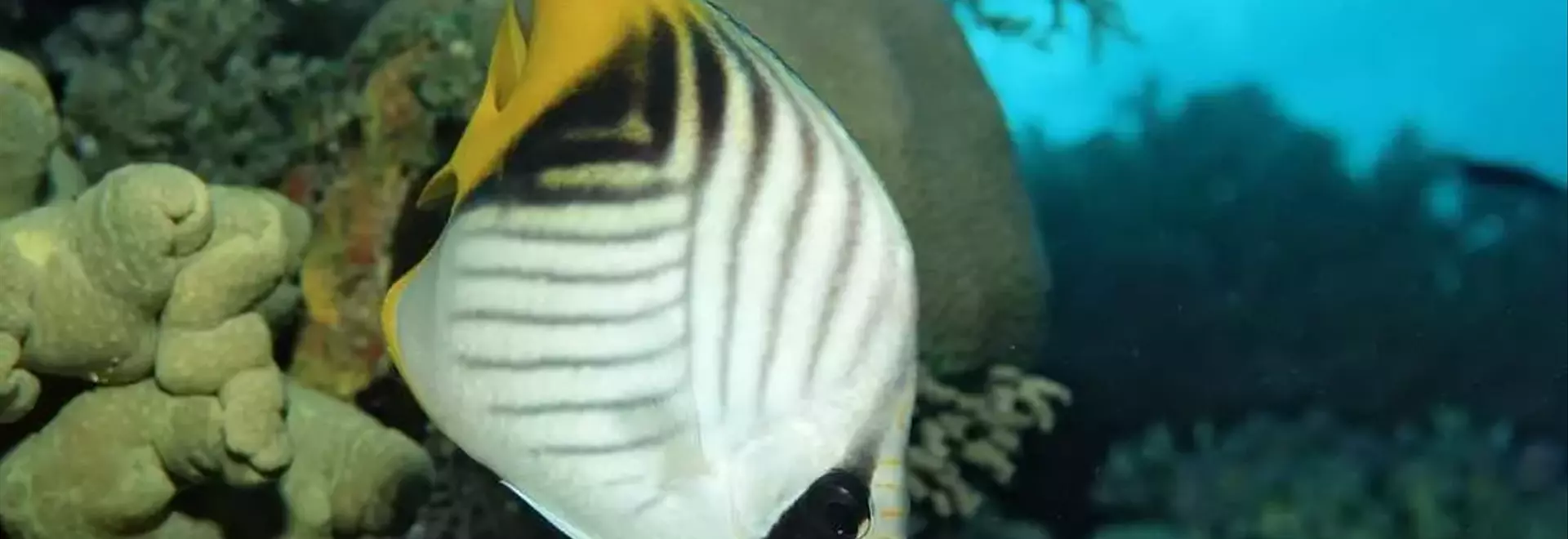
Among their clientele is the striking threadfin butterflyfish, characterized by its vivid yellow, black, and white patterns. Intrigued by the possibility that these butterflyfish sought out the cleaners for more than just physical hygiene, the scientists observed their interactions. Notably, the laboratory-housed butterflyfish, being parasite-free, had no medical need for cleaning. Yet, earlier observations by Soares had indicated a reduction in cortisol levels—a stress hormone—in other reef fish during cleaning sessions, prompting the hypothesis that a pleasurable, massage-like sensation might be at play.
To test this intriguing theory, a series of meticulous experiments were conducted. Maximino initially noted that butterflyfish consistently favored areas of their tank where they had previously engaged with cleanerfish. This preference suggested a form of positive associative memory, akin to an animal recalling a pleasant experience and wishing to re-engage with it. To further probe the neurological underpinnings of this apparent pleasure, the researchers investigated the fish's opioid system, known in many species, including humans, to regulate both pain and pleasure.
The butterflyfish were then administered a low dose of an opioid mimic, a substance chemically similar to morphine, which gently enhanced opioid receptor activity. Following this, the fish displayed a significantly increased inclination to return to the cleaning station, intensifying their preference for the location of past cleanings. Conversely, when the fish were given naloxone, a drug that blocks opioid receptors and is commonly used to reverse opioid overdoses in humans, their interest in the cleaning area diminished considerably. This striking finding strongly implied that the pleasurable sensations derived from the cleaning were indeed mediated by the fish's natural opioid system.
The final phase of the research delved into the distinction between 'liking' the cleaning and 'wanting' it. When confronted with physical barriers designed to make reaching the cleaner more challenging, the butterflyfish persisted in their efforts, navigating the obstacles regardless of whether they had received the opioid mimic or naloxone. This suggested that their motivation—their 'wanting'—was not directly tied to the opioid system, which primarily influenced their 'liking' or immediate pleasure. Instead, this drive for the rewarding interaction appeared to be governed by a separate neurochemical pathway, possibly involving dopamine, which fuels the desire to seek out pleasure. The combined results compellingly argue that fish possess a rich inner world, capable of experiencing and actively pursuing positive emotional states, indicating a deeply rooted capacity for pleasure within the evolutionary tapestry of life.
Reflections on a Finned Future: Empathy and Evolution
This remarkable discovery fundamentally shifts our perception of fish, moving them from mere aquatic automatons to sentient beings capable of experiencing joy and desire. As a reporter covering this groundbreaking research, I'm struck by the profound implications for our ethical responsibilities towards all living creatures. If fish can feel pleasure, and actively seek it out, how then should we reconsider their welfare in environments ranging from home aquariums to large-scale aquaculture operations? This study acts as a powerful catalyst, urging us to design living conditions that not only prevent suffering but also foster positive emotional experiences for these often-underestimated animals. It’s a call to broaden our empathy, recognizing that the capacity for happiness is not exclusive to creatures that bark or meow, but is a shared thread woven deeply into the fabric of life on Earth, stretching back to the earliest stages of animal evolution.
