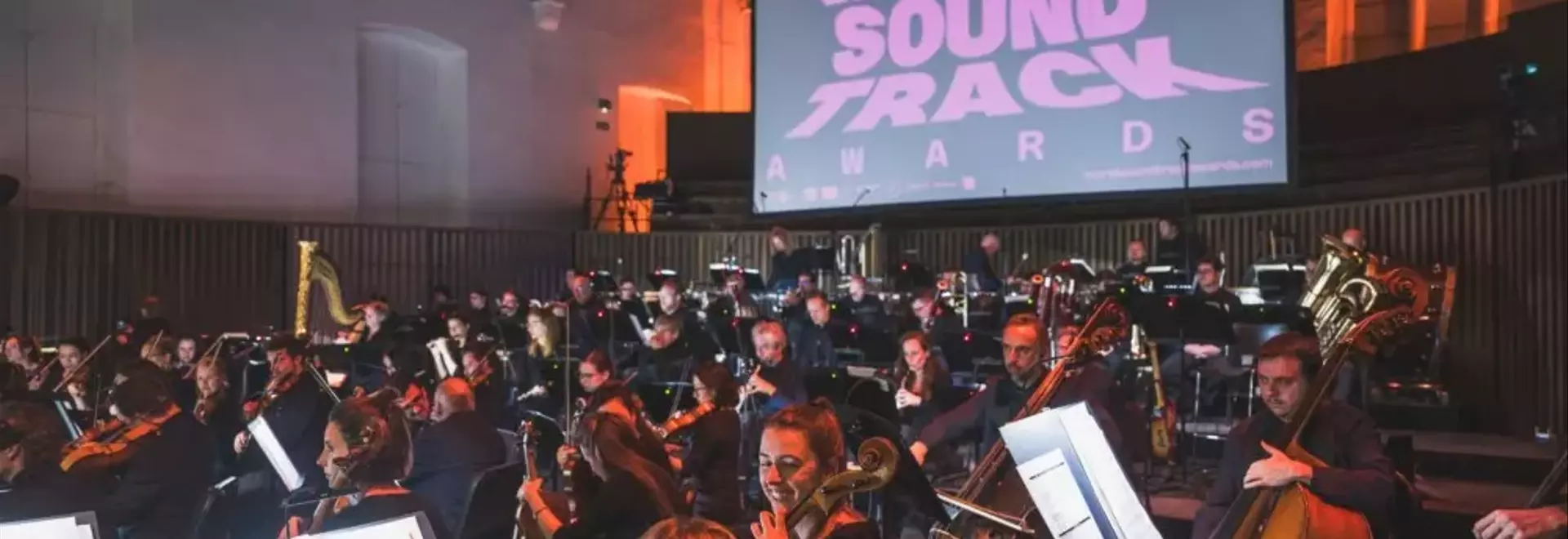
Film Composers Advocate for Human Artistry Against AI at Ghent's WSA Film Music Days
At the recent World Soundtrack Awards Film Music Days in Ghent, Belgium, the conversation centered on the increasing impact of artificial intelligence on music composition. Industry leaders, including acclaimed composers, expressed strong opinions on preserving human artistry, fostering new talent, and the critical need for robust protections against unauthorized AI utilization of creative works. The discussions underlined a collective commitment to defending the intrinsic value of human emotion and skill in the evolving landscape of film scoring.
Film Composers Unite to Address AI Challenges and Champion Human Creativity at Ghent Summit
On October 15, 2026, the World Soundtrack Awards Film Music Days in Ghent, Belgium, became a pivotal platform for film composers and industry experts to confront the burgeoning influence of artificial intelligence. Renowned composer Simon Franglen, known for his work on "Avatar: Fire and Ash," articulated a prevailing sentiment during a panel discussion: the irreplaceable essence of human emotion in musical creation. He pondered how AI could ever replicate the raw sentiment poured into a performance by hundreds of musicians, highlighting a core concern that resonated throughout the three-day event, which ran from October 8–10 in the historic city of Ghent.
The conference, which gathered professionals for a series of talks, roundtables, and networking sessions, underscored several key takeaways. Firstly, the importance of collective strength was emphasized. Helienne Lindvall, president of the European Composer and Songwriter Alliance (ECSA), accepted this year's WSA Industry Award, acknowledging the substantial progress made by ECSA in uniting over 30,000 composers and songwriters across 57 member organizations. ECSA’s role in lobbying policymakers and guiding emerging composers through complex contractual negotiations was highlighted as crucial in an industry grappling with rapid technological shifts. Lindvall asserted that ECSA has become a formidable voice, ensuring composers have a seat at the decision-making table, lest they become part of the "menu."
Secondly, the debate between art and AI took center stage. ECSA is actively advocating for the European Union’s AI Act to incorporate three fundamental principles: explicit authorization from copyright holders for AI companies to use copyrighted music in training generative models, fair compensation for creators whose works are used, and transparent disclosure by platforms about the catalogs and datasets employed. Lindvall issued a stark warning regarding AI music generators like Suno, urging musicians to meticulously review terms of service, as uploading content could inadvertently grant companies perpetual, commercial exploitation rights.
Thirdly, concerns were raised about the future generation of composers. Many panelists expressed apprehension that the proliferation of AI-driven tools and "music factories" could erode entry-level opportunities, thereby hindering the development of new talent. Franglen pointed out that even legendary composers like Hans Zimmer began with modest projects, stressing the importance of these formative experiences. Darrell Alexander, head of Cool Music, suggested that aspiring composers consider working as additional composers to established masters as a valuable entry point. Adiescar Chase, known for her work on Netflix’s “Heartstopper,” demonstrated a commitment to nurturing new talent by insisting on having an assistant for subsequent seasons, fostering trust and opportunities within her community. Martin Phipps, composer for “The Crown,” offered a more optimistic view, believing that human connection and the skill of prompting AI will ensure that not all jobs are usurped.
Finally, beyond the anxieties surrounding AI, the conference provided a platform for sharing best practices. The creation of unique sound banks emerged as a particularly favored strategy. Paris Hurley, working on Kristen Stewart’s “The Chronology of Water,” chose to craft bespoke sounds, often using her own body as an instrument, rather than relying on conventional scoring methods. Daniel Pemberton, composer for “Slow Horses,” echoed this sentiment, advocating for the development of fresh sonic palettes for each project. This approach, he argued, not only imbues projects with a distinctive identity but also enhances efficiency, a significant advantage in demanding production schedules.
The discussions at Ghent underscored a critical juncture for the film music industry. While technological advancements offer new avenues for creativity, they simultaneously pose profound ethical and economic challenges to artists. The collective call for stronger protections, fair compensation, and a concerted effort to preserve the human element in music serves as a testament to the enduring power and value of artistic expression in an increasingly automated world. The insights shared highlight the urgent need for a balanced approach that embraces innovation while safeguarding the livelihoods and creative integrity of composers.