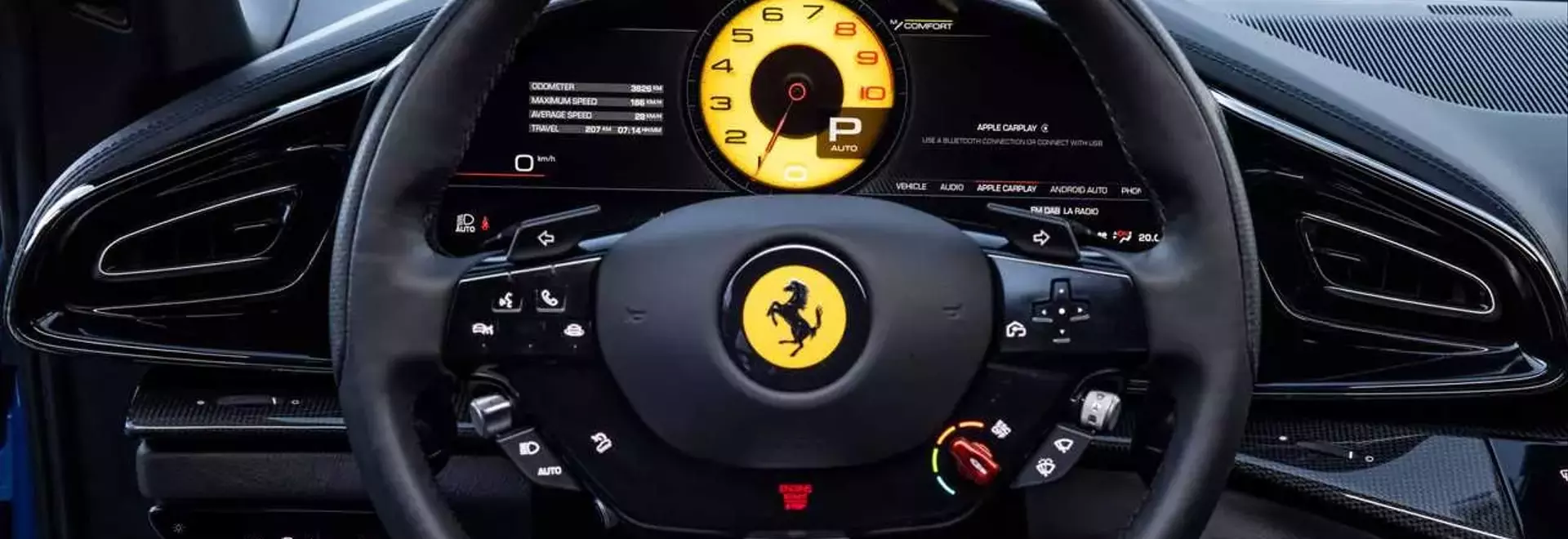
Ferrari Reverses Course: Prioritizes Physical Buttons Over Touch Controls
In a significant shift, luxury automaker Ferrari is moving away from touch-sensitive controls and reinstating traditional physical buttons in its vehicle interiors. While recognizing the cost-efficiency of haptic interfaces, CEO Benedetto Vigna emphasizes the brand's commitment to superior user experience and distinctive design, even if it means higher production expenses. This strategic pivot aims to rectify past design choices that prioritized aesthetics over functionality, with a focus on providing drivers with a more intuitive and tactile interaction with their high-performance machines.
Ferrari's Return to Tactile Controls: Enhancing the Driving Experience
Maranello, Italy – March 19, 2024 – Ferrari's Chief Executive Officer, Benedetto Vigna, recently divulged that the manufacturing cost of touch-based controls is approximately half that of conventional physical buttons. Despite this considerable cost advantage, the esteemed Italian marque is proactively integrating more traditional controls into its exquisite vehicles. This initiative extends to offering retrofit options for existing owners of the Purosangue and 12Cilindri models, allowing them to replace their steering wheel's touch-capacitive buttons with more familiar, haptic alternatives. Furthermore, the latest additions to Ferrari's lineup, including the Testarossa and Amalfi, are being launched with an increased number of physical buttons, signaling a clear design philosophy shift. The forthcoming all-electric Luce model, developed in collaboration with LoveFrom, the creative collective founded by former Apple design chief Sir Jony Ive, is poised to epitomize this blend of analog and digital elements. The Luce will feature bespoke buttons and switches for various functions, including climate control, deliberately avoiding the trend of embedding all controls within a central touchscreen. This commitment to a tactile experience underscores Ferrari's dedication to craftsmanship and a driver-centric approach, a premium that will inherently translate into the vehicle's retail price, with estimates for the Luce starting above $500,000.
Ferrari's decision to revert to physical buttons challenges the prevailing industry trend towards minimalist, screen-dominated interiors. It highlights a critical understanding that for a luxury and performance-oriented brand, user experience and brand identity often trump mere cost savings. This move offers a valuable lesson: while technological advancements are crucial, they should serve to enhance, not detract from, the core interaction and essence of a product. Other mainstream automotive manufacturers are also reconsidering their reliance on touchscreens, indicating a broader industry recognition that intuitive and safe operation is paramount, regardless of the powertrain type. This shift suggests a growing appreciation for the tangible, a reminder that sometimes, the most advanced solution is one that prioritizes human interaction and traditional functionality.
