Federal Reserve's Preferred Inflation Metric Eases in June, But Remains Elevated
The latest inflation figures indicate a slight moderation in price increases, as measured by the Federal Reserve's preferred metric. While this offers some relief, the overall inflation rate continues to exceed the central bank's long-term objective. This situation has ignited a robust discussion among policymakers about the appropriate course of action for monetary policy, particularly given external factors like rising energy costs.
Amidst a complex economic landscape, the Federal Reserve faces the ongoing challenge of taming inflation that has consistently surpassed its 2% target for an extended period. Despite a recent dip in the Personal Consumption Expenditures (PCE) index, core inflation remains a key concern. This nuanced environment necessitates a careful balancing act by the Fed to ensure price stability without stifling economic growth, especially as divergent opinions emerge among its members regarding the necessity and timing of further policy interventions.
Understanding Recent Inflation Trends and Federal Reserve's Stance
The Personal Consumption Expenditures (PCE) index, a key inflation gauge favored by the Federal Reserve, showed a slight decrease in June, settling at 3.7%. This figure was largely in line with market expectations and represented a decline from the 4.1% recorded in May. When excluding the more volatile categories of food and energy, the core PCE also eased marginally to 3.3% from 3.4%, aligning with projections. On a monthly basis, core PCE saw a modest increase of 0.1%, surpassing earlier predictions and indicating a deceleration from the previous month's 0.3% rise. This trend follows a similar cooling observed in the Consumer Price Index (CPI), where core inflation fell to 2.6% in June, partly due to a notable reduction in gasoline prices, which helped bring headline inflation down to 3.5%.
New York Fed President John Williams, a key member of the Federal Open Market Committee (FOMC), previously indicated that monthly core PCE readings of 0.2% or lower would signal inflation moving closer to the Fed's 2% target, potentially alleviating the need for further policy tightening. However, recent geopolitical events, specifically renewed conflict between the US and Iran, have introduced uncertainty by pushing energy prices higher, which could reignite inflationary pressures. This volatile environment contributes to internal disagreements within the Federal Reserve. Despite the Fed's decision to maintain current interest rates, several officials, including Dallas Fed President Lorie Logan, Cleveland Fed President Beth Hammack, and Minneapolis Fed President Neel Kashkari, advocated for a quarter-percentage-point rate hike. This divergence highlights the persistent challenge of bringing inflation under control, a goal that has eluded the central bank for over five years, as market indicators like the two-year Treasury yield continue to suggest the possibility of future rate adjustments.
The Fed's Strategy and Future Outlook on Inflation
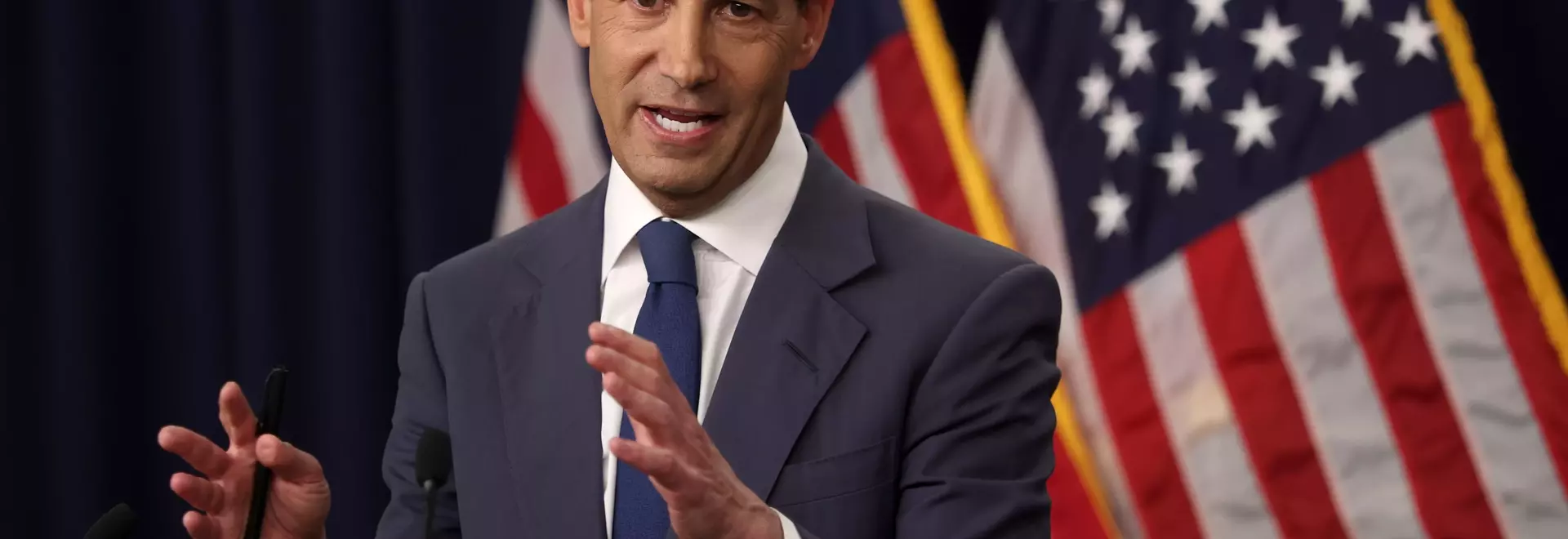
In response to the persistent inflationary environment, Federal Reserve Chairman Kevin Warsh acknowledged the market's rising bond yields as a positive development, suggesting the Fed views higher yields as a sign of financial conditions tightening appropriately. The yield on the two-year Treasury note, a reliable indicator of short-term interest rate expectations, remains around 4.25%, implicitly signaling market anticipation of two additional rate increases. Meanwhile, the 10-year Treasury yield hovered around 4.3%, reflecting broader long-term economic outlooks. These market movements underscore the ongoing uncertainty and the public's desire for quicker resolution to rising costs, as noted by Chairman Warsh, who emphasized that the Fed cannot magically or instantaneously bring inflation down to its target level. He highlighted the importance of a patient and comprehensive approach, taking into account a wide array of inflation measures to accurately assess underlying price pressures within the economy.
Chairman Warsh reiterated the central bank's commitment to achieving its inflation target through a combination of data-driven analysis and strategic policy decisions, rather than quick fixes. He stressed the need for a holistic view of economic indicators beyond just the PCE, suggesting a nuanced understanding of market dynamics is crucial. This detailed consideration includes not only core inflation metrics but also broader economic trends and geopolitical developments that could influence price stability. The ongoing debate among Fed officials regarding the pace and necessity of interest rate adjustments further illustrates the complexities of monetary policy in a dynamic global economy. The Federal Reserve's patient yet vigilant stance aims to guide inflation back to sustainable levels, balancing economic growth with price stability, while recognizing the multifaceted nature of current economic challenges and managing public expectations for a swift resolution.
