Federal Reserve's Inflation Strategy Faces Market Skepticism
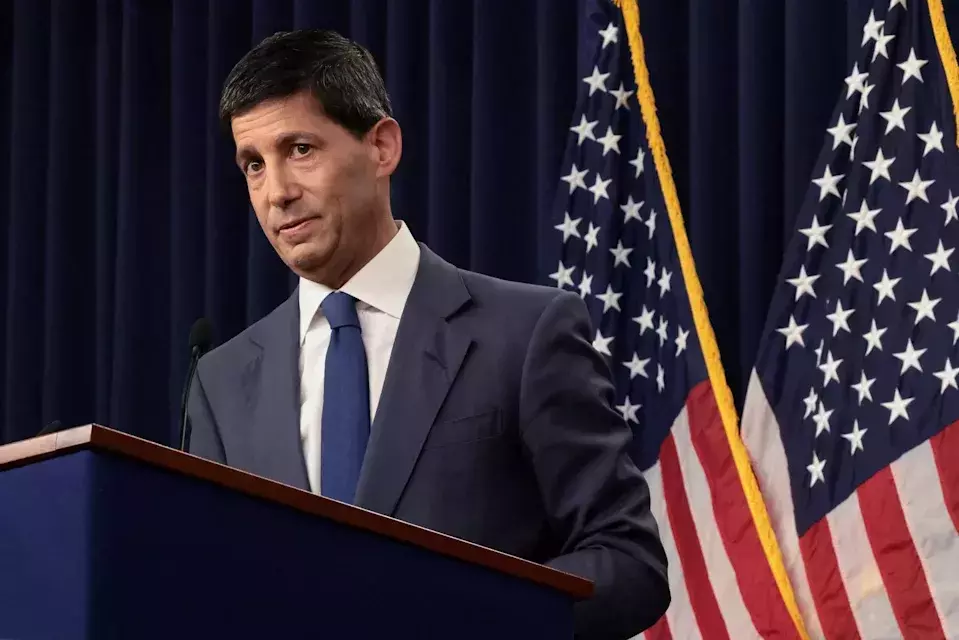
Federal Reserve Chairman Kevin Warsh's recent pronouncements regarding the central bank's commitment to a 2% inflation target have been met with a noticeable lack of conviction from financial markets. Long-term bond yields have escalated significantly, signaling investor doubt about the Fed's willingness or ability to back its strong words with equally strong actions. This skepticism underscores a critical juncture for the Fed's credibility, as market participants demand tangible measures beyond mere rhetoric to address inflationary pressures.
Amidst this financial uncertainty, the stock market has shown remarkable resilience, buoyed by robust corporate earnings, particularly from major tech entities. This dichotomy highlights a complex economic landscape where inflationary concerns clash with strong corporate performance. The market's interpretation of the Fed's policy signals suggests that while underlying economic strength may persist, the central bank's approach to inflation control will heavily influence future financial stability and investor confidence.
Market Skepticism on Fed's Inflation Stance
The financial markets have reacted with considerable skepticism to the Federal Reserve's recent communications on inflation. Federal Reserve Chairman Kevin Warsh's assertion that the central bank will deliver a precise 2% inflation target, without exceeding it, has not been fully embraced by investors. This is evidenced by the notable increase in long-dated bond yields, with the 30-year Treasury yield reaching its highest point since 2007. This upward movement in yields indicates that market participants are demanding higher returns for lending money over extended periods, reflecting a growing concern that the Fed's current approach may not be aggressive enough to contain inflation effectively. The perception is that the central bank's rhetoric, while firm, has yet to translate into the decisive actions necessary to reassure markets of its inflation-fighting resolve.
Analysts from major financial institutions have articulated this market sentiment, suggesting that the Fed's verbal commitments require more substantial follow-through. During recent press conferences, Chairman Warsh reportedly sidestepped direct questions and alluded to alternative inflation metrics and the notion that markets were already contributing to economic tightening. This perceived dovish tone, despite strong language, has led some economists to describe the situation as "all hat, no cattle," implying a disconnect between spoken intentions and concrete policy implementation. The sustained rise in bond yields underscores the market's belief that mere assurances will not suffice to anchor inflation expectations; rather, a more proactive and demonstrative policy stance is required to prevent a further erosion of the Fed's credibility in managing price stability.
Economic Implications of Rising Yields and Market Resilience
The escalation in long-term Treasury yields carries significant economic implications, extending beyond just bond investors. For the broader economy, higher yields translate into increased financing costs across various sectors. This includes higher mortgage rates for homebuyers, making housing less affordable, and more expensive corporate financing, which could impede investment and growth, particularly for innovation-driven areas like artificial intelligence. The increased cost of borrowing affects anyone holding debt, creating a challenging environment where the Federal Reserve finds itself in a precarious position. The central bank faces the delicate task of controlling inflation without stifling economic activity, a balance that requires clear communication and decisive policy actions to maintain market confidence and avoid exacerbating financial vulnerabilities.
Despite the anxieties surrounding the Fed's inflation strategy and rising yields, the stock market has demonstrated a degree of resilience, particularly following strong corporate earnings reports. Major technology companies like Microsoft and Amazon have delivered impressive financial results, reinforcing investor confidence in the underlying strength of the economy and the continued robust investment in AI. This resilience in the equity markets suggests that while the bond market is signaling caution regarding inflation and monetary policy, certain sectors are performing strongly, supported by fundamental growth and innovation. However, this market strength may be challenged if the Fed does not take more decisive action to curb inflation, as some experts warn that the current upward trend in stocks may not be sustainable in the long term without a renewed commitment to inflation-fighting credibility from the central bank. Consequently, the Federal Reserve is under pressure to "walk the talk" to stabilize inflation expectations and foster a more predictable economic environment.
