Fashion's Tariff Battle: States Challenge Trump Administration's Forced Labor Duties
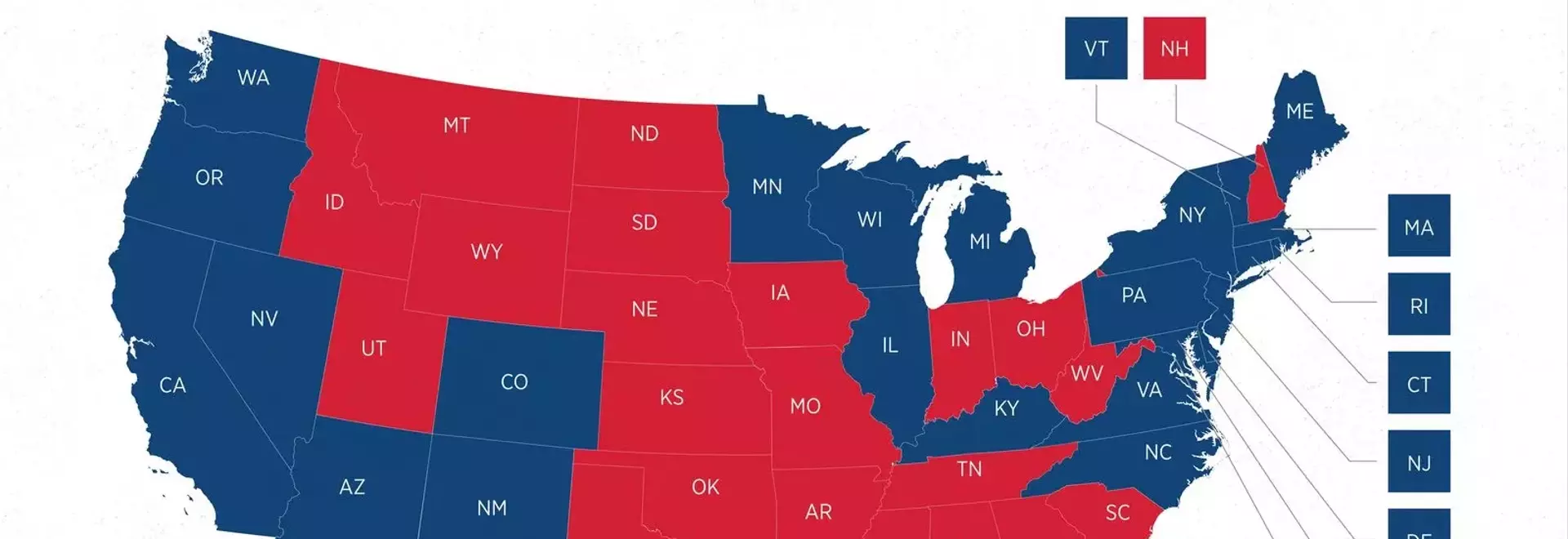
The fashion industry finds itself at the heart of a renewed legal dispute over import duties, as a coalition of 25 states and governors has initiated proceedings in the US Court of International Trade. This legal action targets the Trump administration's recent application of Section 301 tariffs, which are ostensibly aimed at combating forced labor. Critics argue these tariffs represent the administration's third attempt to sustain expansive trade duties, following previous unsuccessful efforts under the International Emergency Economic Powers Act (IEEPA) and Section 122. The complaint suggests these measures are a pretext for maintaining a broad tariff regime, rather than a genuine focus on labor enforcement, a claim that adds significant complexity to the already turbulent global trade landscape.
For fashion enterprises, the timing of this lawsuit is particularly critical. The US Trade Representative (USTR) recently imposed 10% to 12.5% tariffs on goods from 60 economies, alongside a 25% tariff on specific Brazilian products and a 50% duty on certain Canadian imports. These actions have left brands, retailers, and importers grappling with how to manage increased costs and adjust their global sourcing strategies. The lawsuit offers a glimmer of hope for legal recourse, yet it also perpetuates uncertainty, as businesses must make long-term decisions while the regulatory environment remains in flux. The court's ruling will not only shape trade policy but also determine the financial burden on companies and potentially redefine the balance of power between the executive and legislative branches in trade matters.
Legal Challenges and Shifting Paradigms in Trade Policy
The recent lawsuit initiated by 25 states against the Trump administration's Section 301 tariffs marks a pivotal moment in the ongoing trade disputes. This legal action moves the battleground from customs desks to courtrooms, challenging the administration's use of trade measures under the pretext of combating forced labor. The states contend that these tariffs are not genuinely about labor enforcement but rather a strategic maneuver to maintain broad trade restrictions, following previous unsuccessful attempts to implement similar duties. This argument broadens the scope of the legal challenge, bringing into question the constitutional authority and legislative oversight of presidential trade actions, particularly concerning the delegation of tariff-setting powers to the executive branch.
The plaintiffs' strategy emphasizes the tariffs' indirect impact on public procurement and state budgets, highlighting a broader injury beyond just individual importers. This legal approach positions the states as significant stakeholders in defining the limits of executive power in trade policy. Legal experts, such as Angela Gamalski, partner at Honigman, point to an institutional debate about the legislative branch's role in tariff decisions, asserting that Congress ultimately holds this authority. While Section 301 permits tariffs, the core issue for the court will be whether the administration adhered to congressional requirements in implementing these specific duties. Nathaniel J. Halvorson, from Baker McKenzie, cautions against overemphasizing the "pretext" argument, stressing that the court will focus on whether the USTR's conclusions are supported by evidence and comply with statutory mandates, regardless of the similarities to previous tariff regimes.
Commercial Realities and the Dilemma of Uncertainty for Businesses
Despite the ongoing legal challenges and the potential for tariffs to be overturned, fashion companies face an immediate and pressing reality: they must continue to operate under the current tariff regime. This creates a significant dilemma, as businesses must absorb, pass on, or strategically plan around these duties, even with the looming possibility of their invalidation. The slow pace of legal proceedings means that any resolution will likely not arrive quickly enough to influence short-term merchandise flows, forcing companies to make critical sourcing and pricing decisions without clear regulatory certainty. This situation leaves many businesses in a precarious position, caught between legal hope and commercial necessity.
For smaller brands, the impact is particularly acute. Silvia Curioni, CEO of Zipperly, illustrates this challenge, noting that even if the forced labor tariff on Brazil is reduced, other country-specific tariffs still put them at a disadvantage compared to sourcing from Italy. The complexity and resource demands of pursuing potential refunds further burden smaller teams, highlighting a stark contrast with larger corporations equipped with dedicated legal and compliance departments. Angela Santos of ArentFox Schiff underscores that while the legal arguments against the tariffs are strong, their eventual annulment is not guaranteed, and the administration has alternative tariff authorities at its disposal. Therefore, she advises companies to plan for the tariffs to remain, integrating them into their costing strategies, as legal vulnerability offers a poor substitute for concrete planning. The commercial damage, including missed product launches and unbuilt factory relationships, can be irreversible, regardless of a future legal victory.
