Exploring Fennel: A Culinary Guide to Its Versatility and Uses
Fennel, a flowering perennial herb, is a staple in many cuisines, particularly those from the southern Mediterranean. Its unique flavor profile and versatility have made it a beloved ingredient among chefs and home cooks alike. Interestingly, some, like Makenna Held, author of 'Mostly French,' initially found fennel's strong anise flavor overwhelming. However, her culinary journey led her to appreciate its nuanced characteristics, noting that its intensity mellows significantly when cooked. The entire fennel plant is edible, making it a favorite for those who prioritize zero-waste cooking. Its bulb can be sliced for salads or roasts, stalks muddled into beverages, fronds used in various dishes, and seeds incorporated into spice blends. Even fennel pollen, with its distinct anise and citrus notes, is highly prized in some markets.
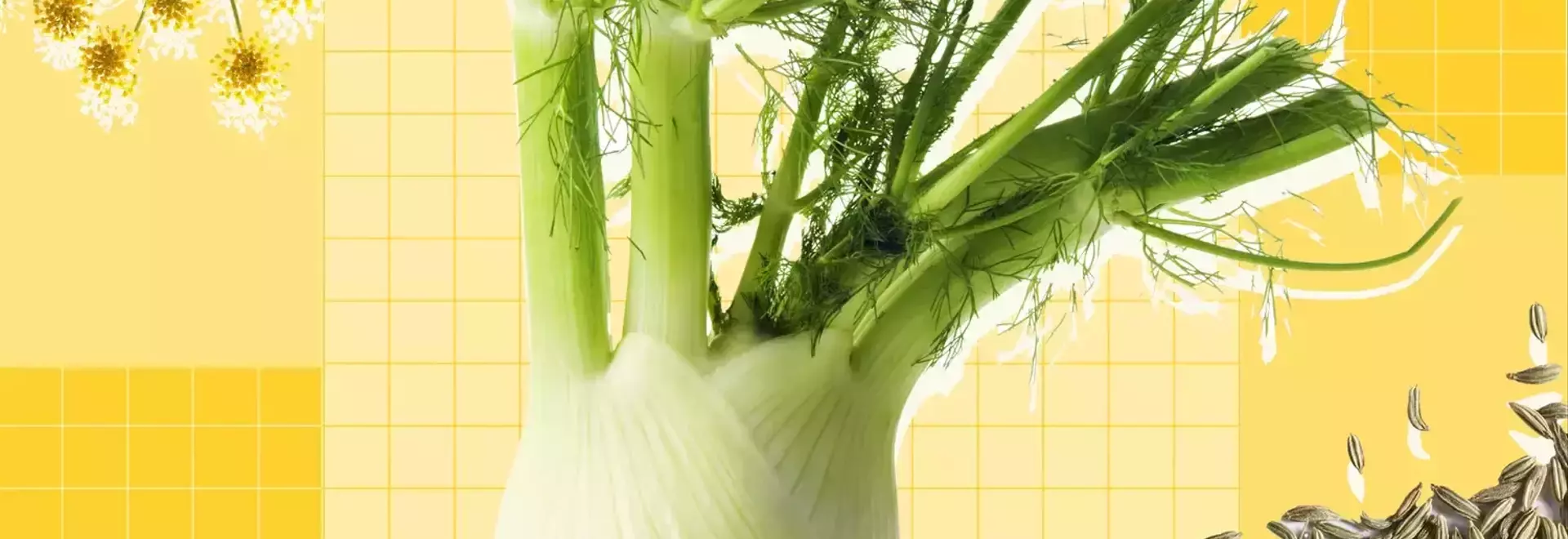
Understanding fennel involves recognizing its appearance, flavor, and seasonal availability. The plant typically features a white, ribbed bulb reminiscent of celery, light green stalks, and delicate, feathery fronds that can produce yellow blossoms. While most cultivated fennel varieties, like Finocchio, offer a sweet anise flavor, wild fennel often includes more savory and bitter undertones. The plant's season varies by region, thriving in cooler climates during late spring to early fall and in warmer states from November to April. Chef Jilbert El Zmetr, founder of Laziza restaurant, highlights that raw fennel possesses a more potent anise aroma, which transforms into a subtler sweetness upon cooking. The bulb is excellent thinly sliced in salads, perhaps paired with citrus, or roasted/braised to achieve a tender, creamy texture. Fennel fronds, with their mild sweetness and citrusy notes, are ideal for pesto, stuffing fish, or infusing oils. Fennel seeds, known for their chewy texture and gentle spiced flavor, are widely used in culinary and medicinal practices, pairing well with meats, adding depth to stocks, or enhancing spice mixes like garam masala.
While fennel offers a distinct taste, there are several ingredients that can serve as substitutes depending on the desired outcome. Anise seed, though more potent, can replace fennel seed in smaller quantities. A dash of anise liqueur can mimic fennel's flavor in cooked dishes like soups, but caution is advised due to its sugar content. Caraway seeds, sharing a similar flavor and texture, are a good one-to-one substitute for fennel seeds in fatty meat blends. For raw preparations, celery provides a comparable crunch and high water content, albeit with a milder taste. White onion can substitute for cooked fennel bulb, offering a similar tender and mild flavor without the anise notes. However, it's crucial to recognize that some dishes truly demand the unique essence of fennel. For instance, while other herbs can garnish, they won't replicate fennel's sweet, citrusy flavors. In complex spice blends, replacing fennel seeds with highly potent alternatives might disrupt the overall balance. Storing fennel properly helps maintain its freshness: separate the bulb from the stalks and fronds, keeping the bulb wrapped in a towel in the crisper drawer for up to ten days, and the fronds and stalks loosely wrapped for five to seven days. Seeds should be stored in an airtight container in a cool, dry place. Embrace fennel's versatility to elevate your culinary creations, understanding its unique contributions and the art of thoughtful substitution.
