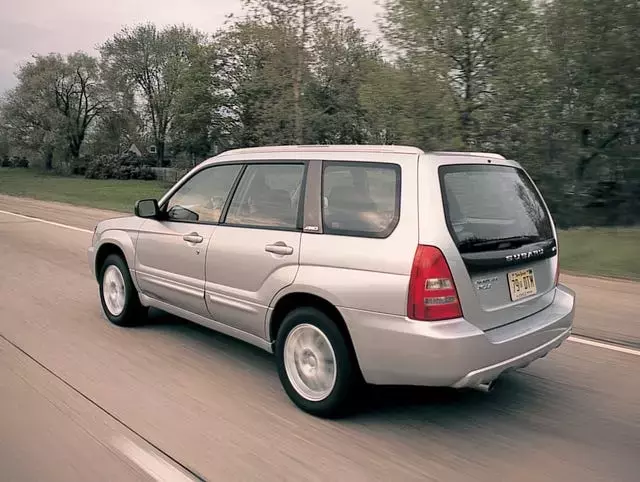
Exploring the 2004 Subaru Forester 2.5XT: A Retrospective
The 2004 Subaru Forester 2.5XT made a significant impact upon its debut, demonstrating that a compact SUV could deliver thrilling performance alongside everyday practicality. Its unique combination of a potent turbocharged engine and a versatile, wagon-like design set it apart from typical SUVs of its era. This vehicle offered a driving experience that blended rapid acceleration with the functional benefits of a crossover, appealing to a broad spectrum of drivers.
This particular model was distinguished by its ability to accelerate with surprising agility, reaching 60 mph in a remarkably quick time for its class. Its design, which leaned more towards a station wagon aesthetic than a conventional SUV, provided ample cargo space and a comfortable ride without sacrificing dynamic capabilities. The availability of both manual and automatic transmission options further enhanced its appeal, catering to different driving preferences and solidifying its reputation as a performance-oriented yet practical vehicle.
The Dynamic Performance of the 2004 Forester 2.5XT
Upon its introduction, the 2004 Subaru Forester 2.5XT quickly garnered attention for its impressive acceleration, clocking 0-60 mph in a mere 5.3 seconds. This rapid speed was a direct result of its specially developed 2.5-liter turbocharged engine, which transformed the perception of what a small SUV could achieve. This formidable powertrain offered drivers an exhilarating experience, far exceeding the performance expectations typically associated with vehicles in its category. The blend of a powerful engine and all-wheel-drive capability meant the 2.5XT provided not just quick acceleration but also confident handling in various driving conditions, setting a new benchmark for performance-oriented compact SUVs.
The engineering behind the 2.5XT's spirited performance was meticulous. Subaru's decision to equip this Forester model with a bespoke turbocharged engine underscored its commitment to delivering an exceptional driving experience. This engine, designed specifically for the 2.5XT, ensured optimal power delivery and responsiveness. Furthermore, the availability of both manual and automatic transmission options provided flexibility for consumers, allowing them to choose the driving style that best suited their preferences. Whether opting for the engaging control of a manual or the convenience of an automatic, drivers could fully exploit the vehicle's dynamic capabilities. This thoughtful combination of advanced engine technology and transmission choices made the 2.5XT a standout in its segment, celebrated for its blend of speed, versatility, and driver engagement.
Design and Versatility of the First-Generation Forester
The original Subaru Forester, from which the 2.5XT evolved, distinguished itself with a design that was more reminiscent of a station wagon than a traditional small SUV. This unique body style provided a lower center of gravity and a car-like driving feel, while still offering the elevated seating position and ample cargo space that buyers sought in SUVs. The thoughtful design choices contributed to its practicality, making it an ideal vehicle for both daily commutes and adventurous weekend trips. This blend of form and function allowed the Forester to carve out a distinct niche in the burgeoning compact SUV market, appealing to those who desired versatility without the bulkiness of larger utility vehicles.
The first-generation Forester's distinct wagon-like profile was a deliberate design choice that maximized interior space and enhanced its overall utility. This configuration allowed for easy loading and unloading of cargo, making it highly functional for families, outdoor enthusiasts, and anyone needing flexible storage solutions. Beyond its practicality, the design also contributed to a more refined and stable ride compared to many higher-riding SUVs of the time. The 2004 2.5XT model further leveraged this adaptable platform by integrating a high-performance engine, proving that a vehicle could be both practical and thrilling to drive. This innovative approach to vehicle design solidified the Forester's reputation as a versatile and capable automobile that successfully bridged the gap between passenger cars and traditional SUVs.
