Examining Ecological Change Through the Unique Lens of Oyster Farming in 'Concrete Turned to Sand'
Entertainment

Examining Ecological Change Through the Unique Lens of Oyster Farming in 'Concrete Turned to Sand'

authorBy John Lasseter
DateOct 02, 2026
Read Time2 min

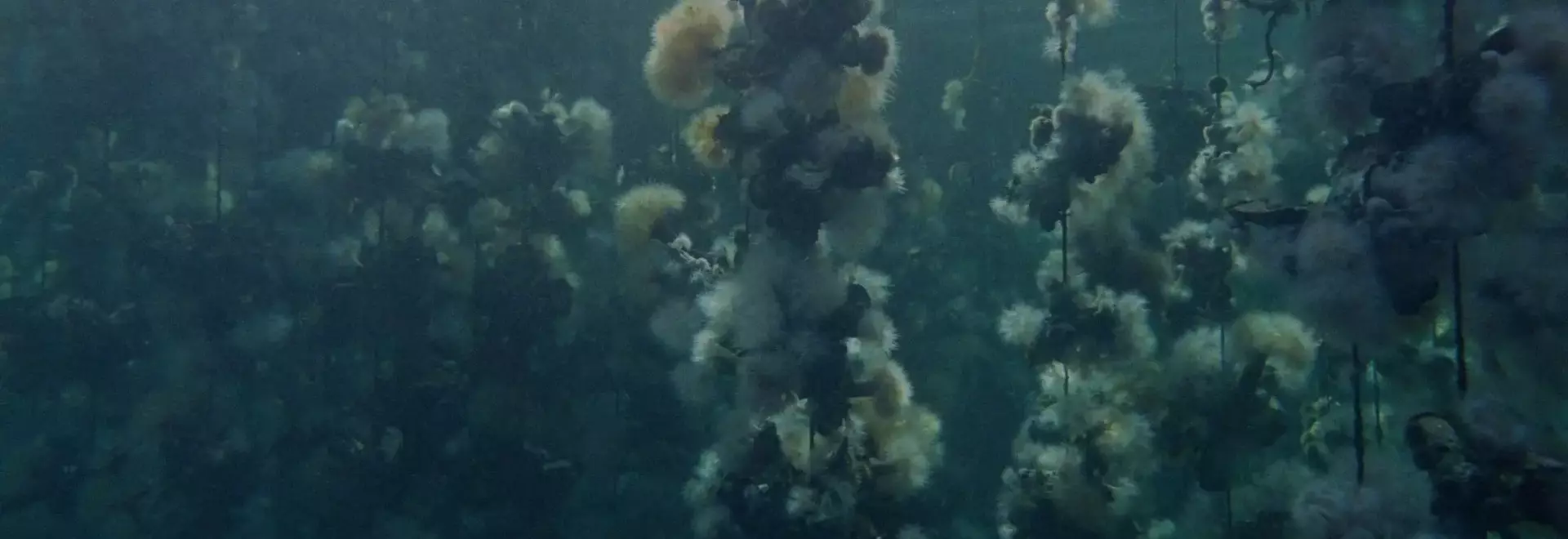
A new cinematic endeavor, 'Concrete Turned to Sand,' offers an unconventional look into the world of oyster farming in British Columbia, Canada, promising viewers an immersive sensory journey. Directed by Vancouver-based filmmakers Jessica Johnson and Ryan Ermacora, the film leverages the extraordinary visual talents of cinematographer Jeremy Cox, previously lauded for his work on 'Backrooms.' This production moves beyond conventional documentary formats, focusing instead on profound visual and auditory experiences. It aims to transport audiences into a realm where the mundane act of oyster cultivation becomes a canvas for exploring larger ecological and philosophical questions, distinguishing itself through an artistic refusal of straightforward narrative explanation.

The film distinguishes itself by delving into the critical interaction between human activity and the environment, highlighting the oysters' slow maturation against the rapid pace of climate change. With its upcoming screening in the BFI London Film Festival's Documentary Competition, 'Concrete Turned to Sand' is more than just a portrayal of nature; it is a meditation on the varied timelines that govern our planet—from the life cycle of an oyster to geological epochs. The artistic team, including sound artist and musician Scott Gailey, crafts a compelling narrative that invites reconsideration of our environmental perspectives, prioritizing sensation and immersive experience over detailed factual exposition to convey the urgency of ecological transformations.

The creators of 'Concrete Turned to Sand' express their ambition to explore the convergence of human labor, natural landscapes, and the overarching political and economic forces shaping them. By integrating scientific insights into ocean acidification with artistic representation, the film employs innovative optical and auditory techniques to bridge the gap between the audience and its ecological subject. This deliberate approach allows 'Concrete Turned to Sand' to engage viewers with the intrinsic beauty and peculiar nature of our world, encouraging a broader ecological understanding and a reflection on humanity's fleeting yet impactful presence within it.

The film, through its unique blend of visual splendor, evocative soundscapes, and thoughtful exploration of environmental themes, serves as a powerful reminder of our connection to the natural world. It challenges us to look beyond immediate concerns and consider our place within the vast, intricate tapestry of Earth's ecosystems, fostering a deeper appreciation for environmental stewardship and sustainable living.

More Articles
Entertainment
Paramount-Warner Bros. Merger Unveils New Identity: Skydance
The merged entities of Paramount and Warner Bros. Discovery will officially operate under the name Skydance, effective October 6. David Ellison, CEO, announced the new corporate identity, emphasizing a commitment to creative storytelling while preserving the distinct legacies of both iconic studios. This strategic rebranding aims to unify their vast entertainment franchises, ranging from HBO hits to the DC Universe and Nickelodeon, under a single, powerful banner.
By Roger EbertOct 02, 2026
Entertainment
Leadership Change at Warner Bros. Following Paramount Merger
Michael De Luca and Pamela Abdy are set to depart their roles as co-chairs of Warner Bros. following the impending merger between Paramount Skydance and Warner Bros. Discovery. This executive reshuffle comes after a successful tenure marked by significant box office hits and numerous Academy Award wins, including a Best Picture triumph. The future leadership structure points towards a consolidation under Paramount's film executives, Dana Goldberg and Josh Greenstein, indicating a new era for the combined studio's cinematic output.
By Ricky GervaisOct 02, 2026
Entertainment
A Cinematic Symphony: Paul Thomas Anderson's 'Cameron Winter at Carnegie Hall'
Paul Thomas Anderson's latest cinematic offering, 'Cameron Winter at Carnegie Hall,' captures the raw essence of Cameron Winter's solo piano and vocal performance. This 75-minute film, premiered at the New York Film Festival, delves into the Geese frontman's captivating artistry, presenting a deeply resonant and meditative concert experience that transcends typical musical showcases. Winter's powerful baritone and rich piano melodies create an ethereal soundscape, transforming the iconic Carnegie Hall into a sanctuary of profound musical expression.
By Stephen KingOct 02, 2026
Entertainment
Kelly Clarkson Advocates for Separate Music Charts for AI Artists
Kelly Clarkson has voiced her 'controversial' opinion on artificial intelligence in music, expressing her love for AI's creative potential but insisting that AI artists should not compete with human artists on mainstream music charts. She suggests the establishment of a dedicated chart for AI-generated music to maintain a clear distinction and ensure fair competition for human talent.
By Chimamanda Ngozi AdichieOct 02, 2026
Entertainment
Ben Affleck's Ethical Approach to AI in Filmmaking
Ben Affleck discusses his ethical framework for utilizing AI in his latest film, 'Animals,' emphasizing that the technology should enhance, not replace, human creativity. He highlights the importance of proprietary datasets to avoid copyright infringement and expresses his discomfort with AI applications that threaten artists' image and likeness, advocating for a responsible integration of AI within the film industry.
By Roger EbertOct 02, 2026