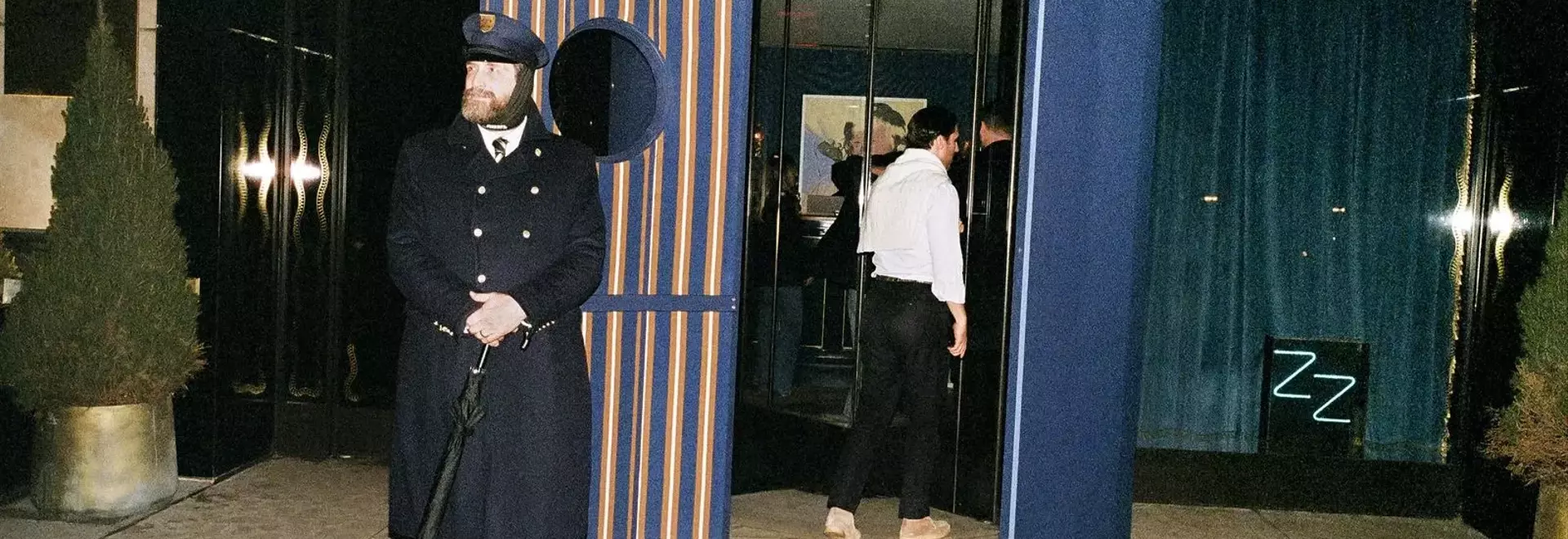
The Evolution of Status: From Possessions to Exclusive Access
The traditional markers of social standing, once rooted in the ownership of luxury goods, are progressively being supplanted by a new paradigm where privileged entry and unique encounters dictate influence. This fundamental change is compelling various industries, particularly luxury fashion, to redefine their approaches to customer engagement and brand loyalty. Instead of showcasing material wealth, individuals now signal prestige through their participation in exclusive communities and their access to coveted, curated experiences. This phenomenon is altering consumer aspirations and challenging brands to innovate their value propositions beyond mere products.
Historically, an individual's status was often conveyed through prominent and expensive items. Displaying a high-end handbag or a rare fashion piece served as a clear, albeit overt, declaration of one's position. However, the pervasive reach of digital media has diluted the exclusivity of such items. As brand strategist Eugene Healey points out, even rare products become visually ubiquitous online, diminishing their capacity to confer genuine distinction. This has spurred a pivot towards less tangible, more experiential forms of status.
This evolving definition of status is evident in the rise of private members' clubs and tiered loyalty programs across various sectors, from finance to retail. These systems, as described by consumer publication author Tariro Makoni, prioritize 'who you know' and 'what experiences you have' over 'what you own.' Brands like American Express and Sephora have successfully built intricate hierarchies that reward engagement with increasingly valuable perks, such as early access to events, exclusive product launches, or personalized services. For instance, American Express's collaborations with artists like Harry Styles offer cardholders unique opportunities, ranging from pre-sale tickets to immersive event experiences, forging deeper connections between fans and their idols.
The fashion industry, which has long mastered the art of exclusivity through its products, faces both immense opportunity and significant risk in this new landscape. While tiered programs could foster heightened loyalty, brands must ensure that the most desirable benefits are not exclusively reserved for a tiny elite, alienating a broader customer base. Sephora, for example, aims for inclusivity from the outset, offering benefits like free delivery to new members, demonstrating that 'value means different things to different people.' This approach recognizes that true loyalty extends beyond transactions, encompassing emotional and cultural alignment with a brand.
The concept of 'LARPing' (Live Action Role-Playing) illustrates how easily material status can be simulated in the digital age. Social media's ability to disseminate information and financial tools like 'buy-now, pay-later' options have democratized the appearance of wealth and knowledge. However, access remains resistant to such mimicry. One cannot convincingly pretend to have attended an invite-only event. This relational aspect of access—who extends the invitation, and what communities one genuinely navigates—makes it a more authentic and potent indicator of status in a world where visible possessions no longer hold the same weight.
Luxury fashion brands have long cultivated high-value clients, known as VICs (Very Important Clients), through bespoke services, private showings, and exclusive events. Bottega Veneta's Palazzo in Venice, an invitation-only cultural and client space, exemplifies this, offering elite customers unique experiences beyond simple retail. Similarly, retailers like Mytheresa organize lavish trips for their top spenders. This strategy focuses on providing unparalleled, relationship-based experiences that cannot be replicated by casual consumers, fostering profound loyalty and reinforcing a sense of belonging to an exclusive tier. This model, while effective at the pinnacle of the market, presents a challenge for brands further down the spectrum: how to cultivate a similar sense of rare access and meaningful engagement for a larger audience.
The modern understanding of status has undergone a notable shift, moving away from the overt display of possessions towards the acquisition of privileged access and curated experiences. This transformation necessitates a recalibration of brand strategies, emphasizing bespoke engagement and the creation of valuable, often intangible, benefits. The objective is to foster deep loyalty and a sense of exclusive belonging among consumers, ensuring that brands resonate meaningfully in an environment where authenticity and unique connections are paramount.
