The Etymological Journey of 'Kid': From Goats to Children
The term "kid," commonly used today to denote a child, possesses a rich and unexpected linguistic lineage, stemming from its initial application to the offspring of goats. This article delves into the historical migration of this word, first introduced to the English language by Viking settlers, and meticulously traces its gradual semantic expansion to encompass young humans. It highlights how the spirited and curious characteristics associated with young goats likely contributed to this metaphorical leap, ultimately shaping our contemporary lexicon.
The journey of "kid" into the English vocabulary began approximately a millennium ago, during the period of extensive Viking settlement in northern and eastern England, often referred to as the Danelaw. Linguist Rob Watts, known for his YouTube channel RobWords, explains that while the Vikings are often remembered for introducing aggressive terms like "ransack" and "berserk," they also brought more domestic words such as "husband," "window," "egg," and indeed, "kid." This exchange occurred as Viking men married Anglo-Saxon women, fostering bilingual households where everyday words seamlessly transitioned between Old Norse and Old English. During this era, "kid" replaced the native Old English term "ticcen" for a young goat.
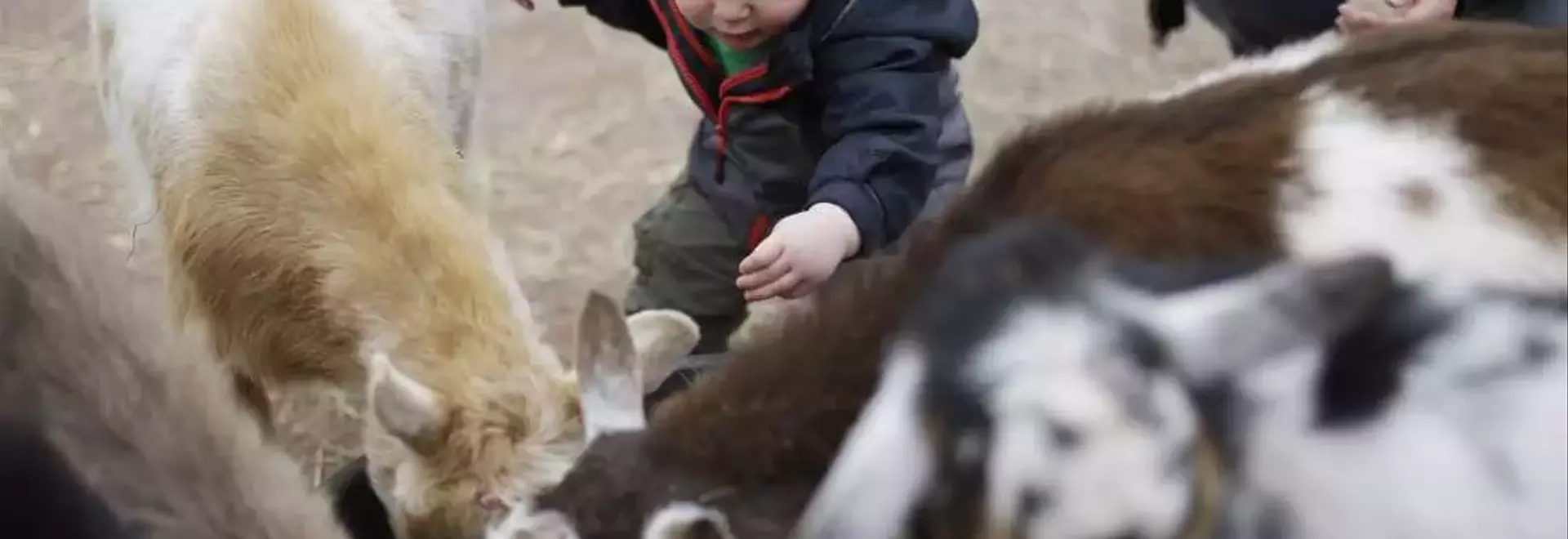
By the turn of the 17th century, around Shakespeare's time, the word "kid" started to be employed interchangeably for both young goats and young people. Watts suggests this shift was driven by the perceived similarities in demeanor: the "goaty vibes" of being lively, energetic, inquisitive, and playful. This vivid metaphor resonated with people, leading to its broader adoption. Deborah Niemann, author of Raising Goats Naturally and host of the podcast For the Love of Goats, readily attests to these "goaty vibes," observing that young goats exhibit behaviors remarkably similar to human infants, such as incessant nursing, constant exploration, and putting everything in their mouths.
Doug Harper, the creator of the Online Etymology Dictionary, notes that it took several centuries for "kid" to truly gain traction as a term for a young person. By the early 1800s, it re-emerged in slang, particularly to describe a young individual who was often seen as skillful or even artful. This usage sometimes carried connotations of mischief or notoriety, as exemplified by figures like "Billy the Kid." The phrase "kidnap" further illustrates this evolving meaning, combining "kid" with the verb "nab" (to seize), reflecting the historical practice of abducting children for forced labor. Furthermore, the verb "to kid" also originated in the 1800s, initially linked to the criminal underworld where it implied deception or trickery, eventually evolving into its more lighthearted modern meaning of joking or teasing.
The evolution of the word "kid" from describing a baby goat to referring to a human child highlights the dynamic and often humorous nature of language. This transformation underscores how cultural observations, historical interactions, and metaphorical associations continually reshape our vocabulary. The dual meaning of "kid" and "kidding" continues to offer a playful linguistic quirk, delighting both goat enthusiasts and etymology aficionados alike, demonstrating the enduring impact of a word's humble beginnings on its widespread contemporary use.
