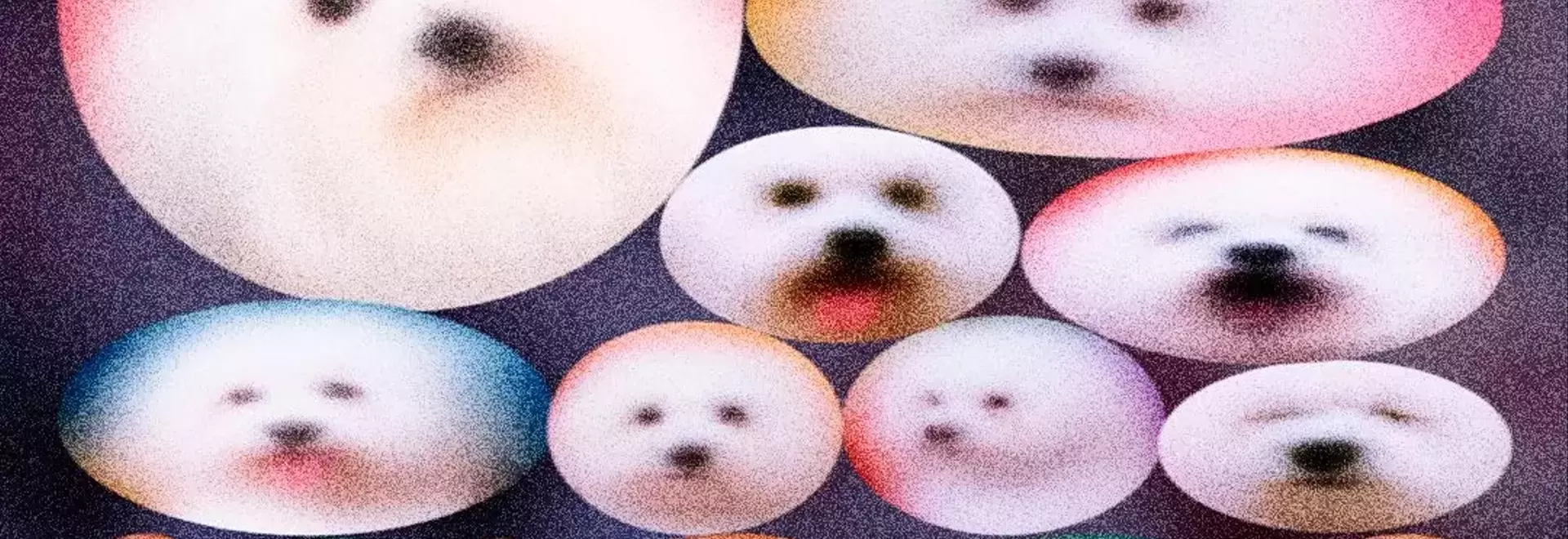
The Ethical Dilemma of Pet Cloning: Replicating Companionship
In an era where pet owners frequently face the profound grief of losing a cherished animal, a technological solution is gaining traction: pet cloning. This practice offers a pathway to potentially extend the presence of beloved companions, challenging traditional views on pet ownership and mortality. However, this innovative approach is not without its complexities, encompassing both the scientific marvel of genetic replication and a myriad of ethical, financial, and emotional considerations. As more individuals, including public figures, explore this option, the conversation around pet cloning intensifies, prompting a deeper examination of what truly constitutes companionship and loyalty in the animal world.
The Science and Cost of Pet Duplication
Pet cloning is a sophisticated scientific procedure that promises to deliver a genetically identical copy of a beloved animal. This process begins with the careful collection of a live tissue sample from the donor pet, which is then cryogenically preserved. When the time for cloning arrives, the nucleus, containing the donor pet's DNA, is extracted from these cells. Concurrently, an unfertilized egg from a surrogate animal has its own nucleus removed. The donor pet's DNA is then inserted into the enucleated egg, forming a reconstructed embryo. This embryo is subsequently implanted into a surrogate mother, who carries the pregnancy to term, typically around 65 days for dogs. The entire journey from initial biopsy to the birth of the cloned animal can span anywhere from nine to fifteen months, factoring in wait times.
The financial commitment for pet cloning is substantial, reflecting the intricate science and specialized resources involved. For a canine companion, the cost currently stands at approximately $50,000, a price point shared for feline cloning, while equine cloning commands an even higher fee of $85,000. These figures underscore the exclusivity of the service, positioning it as a luxury option for pet owners. Currently, ViaGen Pets is highlighted as a primary provider of these services within the United States, although similar facilities operate in other countries such as China and South Korea, indicating a global, albeit niche, market for pet replication. The significant expense and specialized nature of this procedure contribute to its limited accessibility, sparking discussions about resource allocation within the broader context of animal welfare.
Ethical Considerations and the Nature of Companionship
The rise of pet cloning introduces significant ethical and philosophical questions, particularly when weighed against the widespread need for pet adoption. With millions of animals entering shelters annually and a substantial portion awaiting adoption, the decision to invest heavily in replicating a pet rather than rescuing one sparks considerable debate. Critics argue that diverting resources to cloning, which creates a new animal, overlooks the plight of existing homeless pets that desperately need loving homes. This perspective highlights a moral tension between personal grief and broader societal responsibility towards animal welfare. The question arises whether, by choosing cloning, pet owners inadvertently devalue the lives of unadopted animals or the act of giving a home to a creature in need.
Another central concern revolves around the "nature versus nurture" debate: will a cloned pet truly embody the unique personality and spirit of its genetic predecessor? While cloning meticulously duplicates an animal's genetic blueprint, guaranteeing an identical physical appearance and inherent traits, it cannot replicate the lifetime of experiences, environmental influences, and interactions that shape an individual pet's character. As Barbra Streisand eloquently put it regarding her cloned dogs, "You can clone the look of a dog but you can’t clone the soul." This sentiment underscores a critical distinction: a clone is a genetic copy, not a reincarnation. The emotional bond and unique personality developed through shared experiences are irreplaceable, leading to the understanding that while the genetic foundation may be the same, each cloned animal will, by its very nature, be a distinct individual with its own emerging temperament and behaviors.
